Gulf investors and Middle Eastern sovereign wealth funds are expected to continue funding renewable energy projects in Africa [1, 2].
This shift in energy strategy is critical because it highlights a vulnerability in global fossil fuel supply chains. As nations seek to avoid the volatility of imported oil and gas, they are turning toward domestic energy independence to ensure economic stability.
Private renewable-energy investments in Africa are set to accelerate as the Iran war drives nations to try and cut their dependence on imported oil and gas, Bloomberg said [3]. The conflict has exposed the fragility of the existing energy infrastructure, prompting a move toward more sustainable and localized power sources.
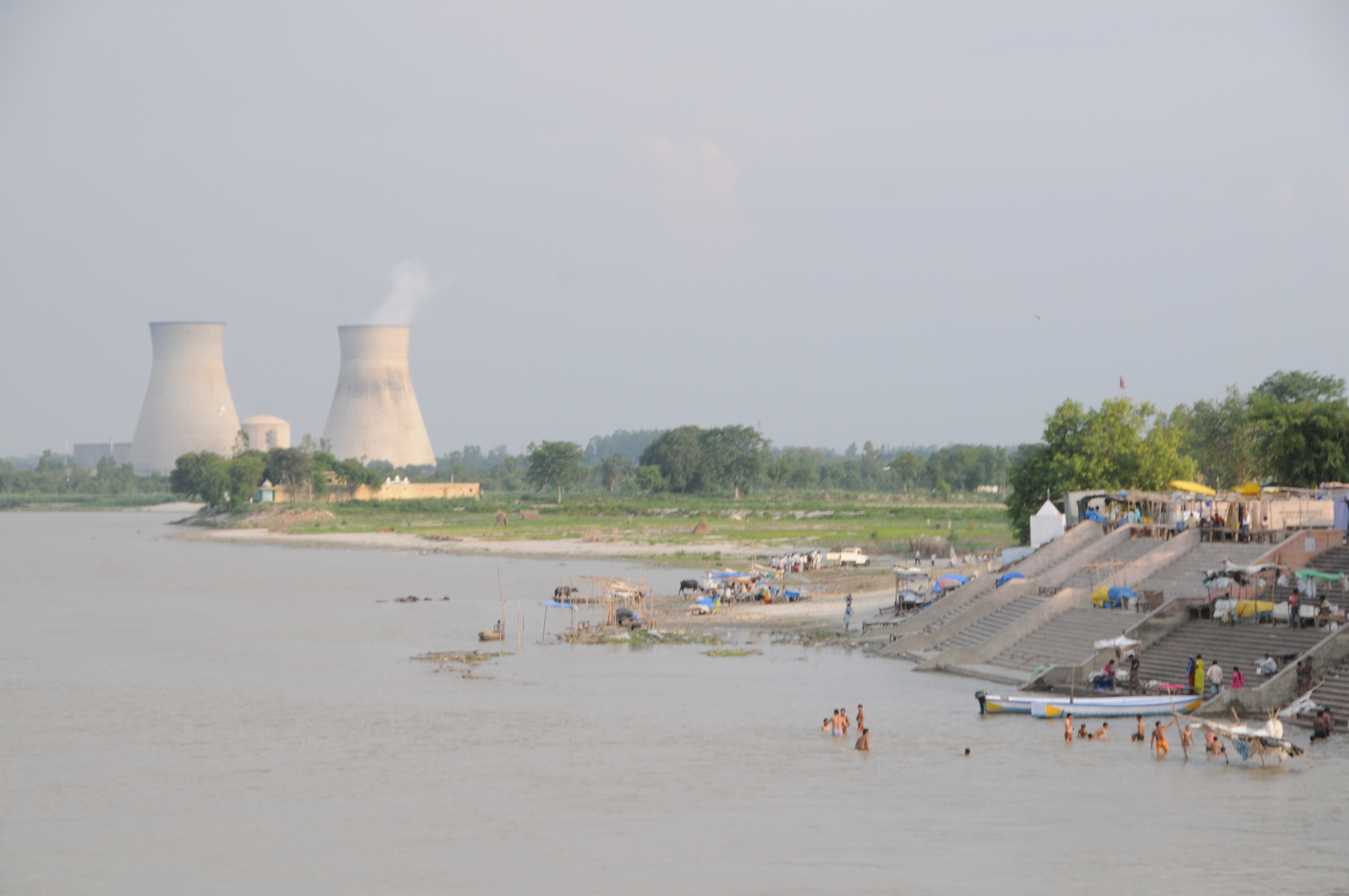
In addition to renewables, the global energy shock is causing some nations in Africa and Asia to boost nuclear power generation [4]. This diversification of the energy mix is seen as a necessary step to mitigate the risks associated with with the instability of the Iran war.
While some reports focus on the primary energy response, others highlight the different paths nations are taking. Bloomberg reports that renewable investments are the primary driver in Africa [3], while the Winnipeg Free Press reports that nuclear power generation is increasing in hard-hit regions of Asia and Africa [4].
Investors from the Gulf region, including state-backed companies, are positioned to lead this transition [1, 2]. Their ability to provide significant capital is essential for the rapidly accelerating energy transition in regions that have historically relied on foreign energy imports.
“Private renewable-energy investments in Africa are set to 경로 accelerate as the Iran war drives nations to try and cut their dependence on imported oil and the gas.”
The transition toward renewable and nuclear energy in Africa and Asia is a geopolitical shift rather than a purely environmental one. By reducing dependence on imported fossil fuels, these nations are insulating themselves from the same supply chain shocks that the Iran war has triggered. This suggests a long-term trend where energy security is prioritized over cost, and Gulf investors are leveraging their wealth to maintain influence in these emerging markets.


