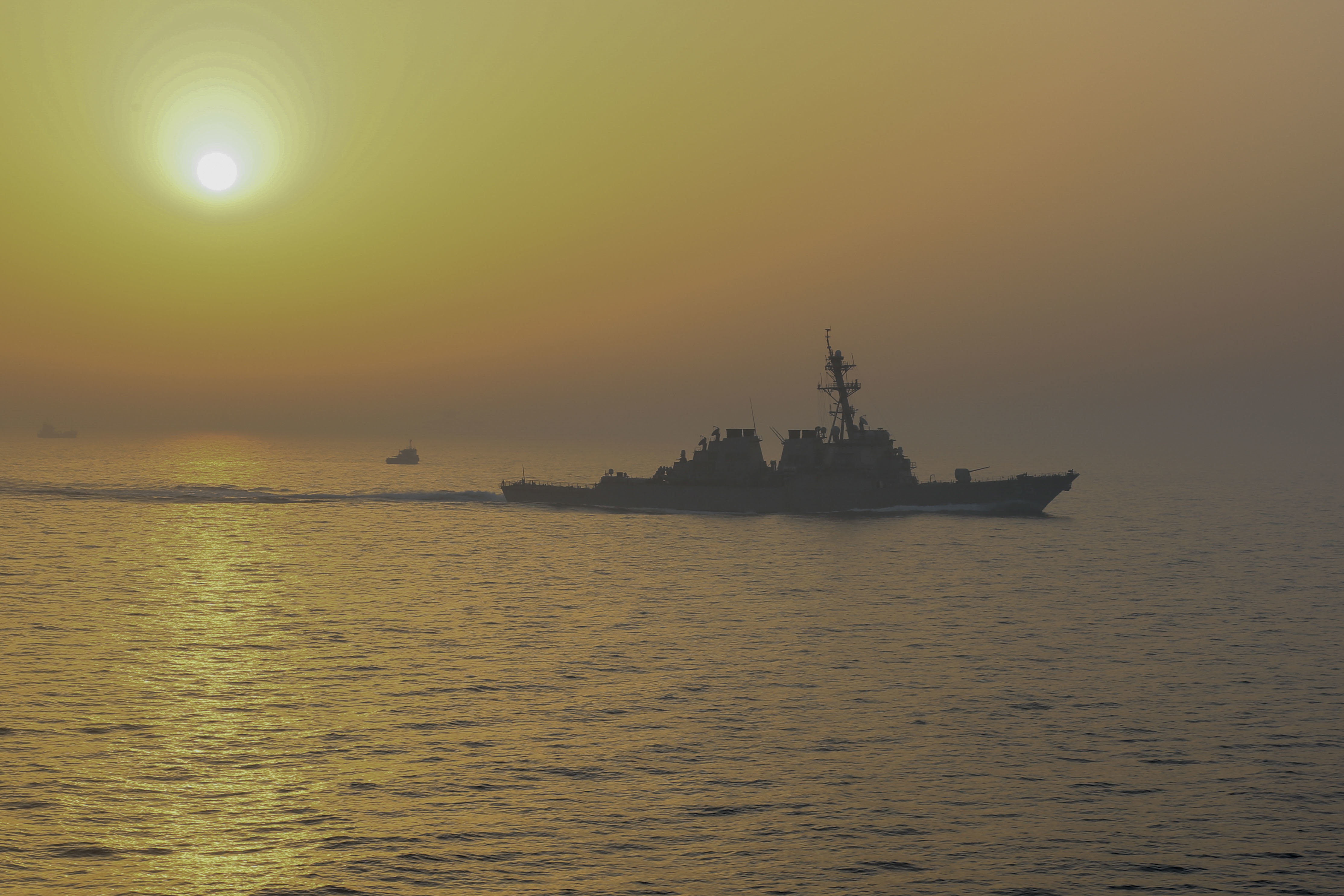
The ongoing war involving Iran has triggered a global energy crisis, threatening severe winter gas shortages across Europe and much of Asia [1, 2].
This disruption threatens the stability of global heating and power grids during peak demand months. The crisis stems from a combination of damaged infrastructure, limited liquefied natural gas (LNG) availability, and the closure of the Strait of Hormuz [1, 3].
Infrastructure strikes have specifically impacted Qatar’s LNG export facilities [3]. Because the Strait of Hormuz serves as a primary artery for oil and gas flows, its closure has tightened global energy markets [1, 3]. These factors have created a supply crunch that analysts said exceeds previous historical shocks.
Fatih Birol said, "The energy crisis from the Iran war is worse than the 1973, 1979 and 2022 crises combined" [1].
In Europe, the situation is compounded by insufficient reserves. Wood Mackenzie, an energy consultancy, said Europe's gas storage levels remain well below the target needed for winter [1]. The lack of available LNG shipments means many nations cannot fill these gaps before temperatures drop.
Russia has positioned itself to capitalize on the shortage. Vladimir Putin said, "Russia is ready to supply Europe as the Iran war sparks an energy crisis" [2]. This offer comes as the U.S., led by President Donald Trump, remains involved in the broader conflict alongside Israel, Russia, and China [1, 2].
The geopolitical tension has effectively weaponized energy flows, leaving many Asian and European economies vulnerable to price spikes and potential blackouts as they enter the heating season [1, 3].
“"The energy crisis from the Iran war is worse than the 1973, 1979 and 2022 crises combined."”
The convergence of infrastructure damage in Qatar and the blockage of the Strait of Hormuz removes critical redundancies from the global energy grid. By timing these disruptions ahead of the winter heating season, the conflict creates a strategic dependency on remaining suppliers, potentially granting Russia significant diplomatic and economic leverage over European nations desperate to avoid energy failure.


