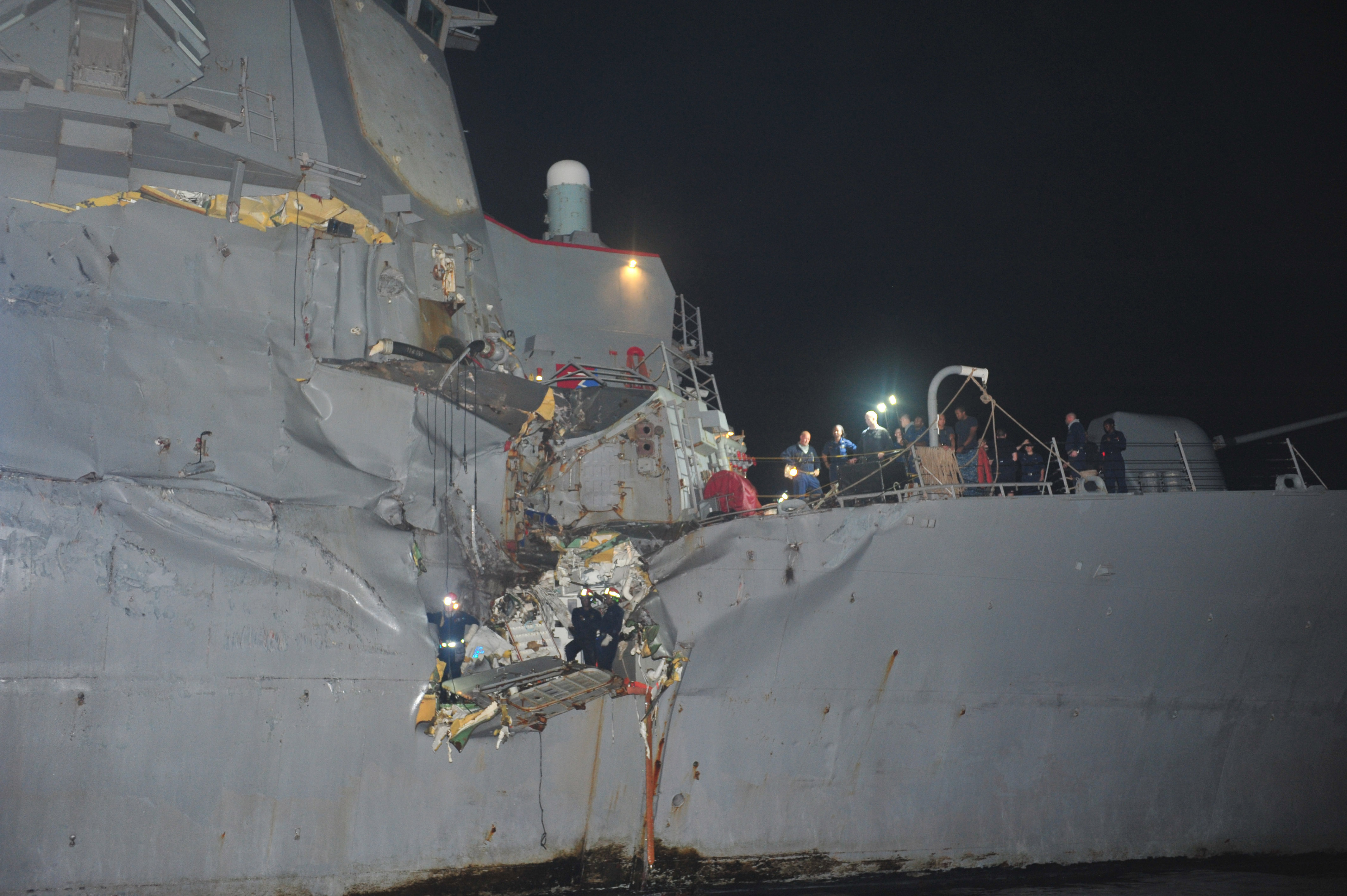
Iran has warned France and Britain against deploying warships to the Strait of Hormuz, stating it will not tolerate external interference in the waterway.
The warning comes amid escalating maritime tensions in the region. Because the Strait of Hormuz is a vital artery for global energy shipments, any military escalation involving European powers could disrupt international trade and heighten the risk of direct conflict.
Deputy Foreign Minister for Legal and International Affairs Kazem Gharibabadi said that Iran will not allow any interference by extra-regional forces regarding the security of the strategic waterway [1]. The Iranian government views the security of the passage between Iran and Oman as a matter of national sovereignty, and regional stability [1, 2].
This diplomatic warning follows a period of intense military activity. On May 7, 2026, three U.S. Navy warships came under Iranian fire in the Strait of Hormuz [3]. That incident marked the third exchange of live fire between U.S. and Iranian forces within a seven-day period [3].
While Iran warns against military deployments, some European nations have attempted to find a non-combative path forward. An unnamed spokesperson said that France and other European allies have sought a diplomatic agreement for passage through the Strait of Hormuz since early March [2].
Despite these diplomatic efforts, Tehran remains firm on its stance regarding the presence of foreign navies. The Iranian leadership continues to characterize the presence of Western warships as a threat to the security of the region [1].
“Iran will not allow any interference by extra-regional forces regarding the security of the strategic waterway.”
The warning to France and Britain signals Iran's intent to expand its deterrence posture beyond its existing friction with the U.S. By labeling European navies as 'extra-regional forces,' Tehran is asserting a sphere of influence over the Strait of Hormuz. The recent pattern of live-fire exchanges suggests a transition from diplomatic posturing to active military confrontation, making the waterway a high-risk zone for any international naval presence.


