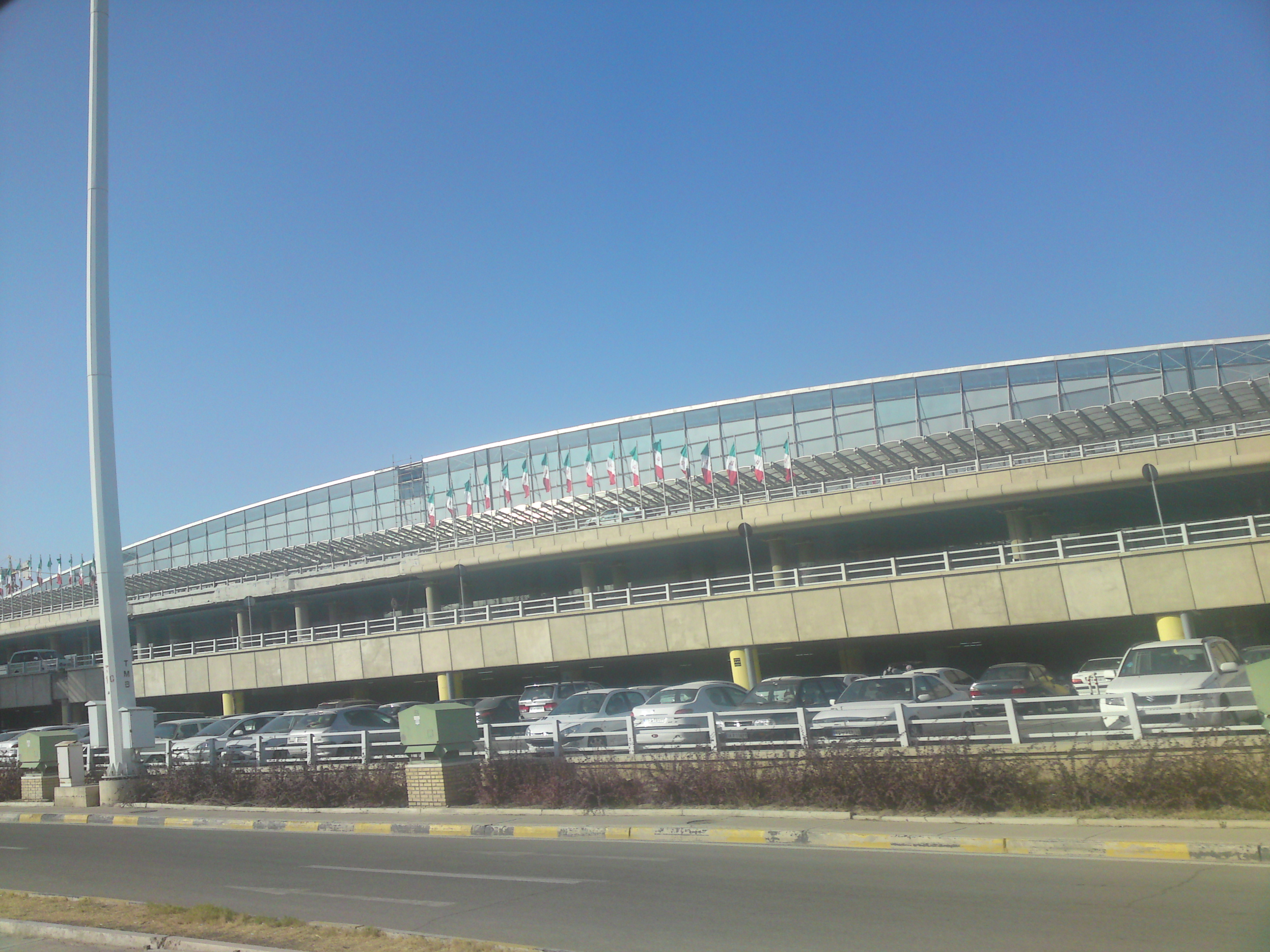
Iran warned it would deploy new weapons and open new fronts if the U.S. or Israel carry out another attack [1].
This escalation signals a potential shift in Iran's nuclear strategy and military posture. By explicitly mentioning uranium enrichment levels, Tehran is linking its nuclear program directly to its conventional deterrence strategy against Western and regional adversaries.
Government officials in the Islamic Republic of Iran said the threat serves as a deterrent against future strikes on Iranian territory or interests [1, 2]. The warning specifically highlights the readiness to employ "new weapons" as part of a broader strategic response [1].
Central to this warning is the threat of nuclear escalation. Iranian officials said the country could enrich uranium to 90% purity if it faces renewed attacks from the U.S. or Israel [2]. Such a level of enrichment is widely viewed as the threshold for weapons-grade material.
Tehran indicated that its response would not be limited to nuclear threats. The government said it would open new fronts of conflict, expanding the geographic and strategic scope of any potential engagement [1]. This approach suggests a willingness to utilize regional proxies, or unconventional warfare, to counter foreign military interventions.
The warning comes amid heightened tensions in the region. While the U.S. and Israel have previously conducted operations targeting Iranian interests, Tehran said these actions justify the current posture of readiness [1, 2]. The Iranian leadership maintains that these measures are defensive in nature, intended to prevent further aggression through the threat of a devastating counter-response.
“Iran warned it would deploy new weapons and open new fronts if the U.S. or Israel carry out another attack.”
The threat to reach 90% uranium enrichment is a significant diplomatic signal, as it moves Iran closer to the technical capacity required for a nuclear weapon. By framing this as a conditional response to foreign attacks, Iran is employing a strategy of 'nuclear hedging' to discourage military intervention while maintaining a high level of strategic ambiguity.


'%2F%3E%0A%20%20%20%20%3Crect%20width%3D'1600'%20height%3D'900'%20fill%3D'url(%23v)'%2F%3E%0A%20%20%20%20%3Cg%20opacity%3D'0.08'%20fill%3D'%23ffffff'%3E%0A%20%20%20%20%20%20%3Ccircle%20cx%3D'1420'%20cy%3D'180'%20r%3D'220'%2F%3E%0A%20%20%20%20%20%20%3Ccircle%20cx%3D'1500'%20cy%3D'760'%20r%3D'120'%2F%3E%0A%20%20%20%20%3C%2Fg%3E%0A%20%20%20%20%3Cline%20x1%3D'80'%20y1%3D'172'%20x2%3D'220'%20y2%3D'172'%20stroke%3D'%23ffffff'%20stroke-width%3D'3'%20stroke-opacity%3D'0.6'%2F%3E%0A%20%20%20%20%3Ctext%20x%3D'80'%20y%3D'140'%20font-family%3D'Inter%2C%20-apple-system%2C%20Helvetica%2C%20sans-serif'%20font-weight%3D'700'%20font-size%3D'28'%20fill%3D'%23ffffff'%20letter-spacing%3D'6'%3EHANNA%20%C2%B7%20NEWS%3C%2Ftext%3E%0A%20%20%20%20%3Ctext%20x%3D'80'%20y%3D'230'%20font-family%3D'Inter%2C%20-apple-system%2C%20Helvetica%2C%20sans-serif'%20font-weight%3D'600'%20font-size%3D'40'%20fill%3D'%23ffffffb3'%20letter-spacing%3D'4'%3EWORLD%3C%2Ftext%3E%0A%20%20%20%20%3Ctext%20x%3D'80'%20y%3D'622'%20font-family%3D'Playfair%20Display%2C%20Georgia%2C%20serif'%20font-weight%3D'800'%20font-size%3D'86'%20fill%3D'%23ffffff'%20letter-spacing%3D'-1'%3EIndore%20Hospital%20Appoints%2087%3C%2Ftext%3E%3Ctext%20x%3D'80'%20y%3D'721'%20font-family%3D'Playfair%20Display%2C%20Georgia%2C%20serif'%20font-weight%3D'800'%20font-size%3D'86'%20fill%3D'%23ffffff'%20letter-spacing%3D'-1'%3EStaff%20Despite%20Lacking%20Land%3C%2Ftext%3E%3Ctext%20x%3D'80'%20y%3D'820'%20font-family%3D'Playfair%20Display%2C%20Georgia%2C%20serif'%20font-weight%3D'800'%20font-size%3D'86'%20fill%3D'%23ffffff'%20letter-spacing%3D'-1'%3Eand%20Building%3C%2Ftext%3E%0A%20%20%20%20%3Ctext%20x%3D'80'%20y%3D'870'%20font-family%3D'Inter%2C%20-apple-system%2C%20Helvetica%2C%20sans-serif'%20font-weight%3D'500'%20font-size%3D'22'%20fill%3D'%23ffffff66'%20letter-spacing%3D'2'%3Enews.hanna-ai.com%3C%2Ftext%3E%0A%20%20%3C%2Fsvg%3E)