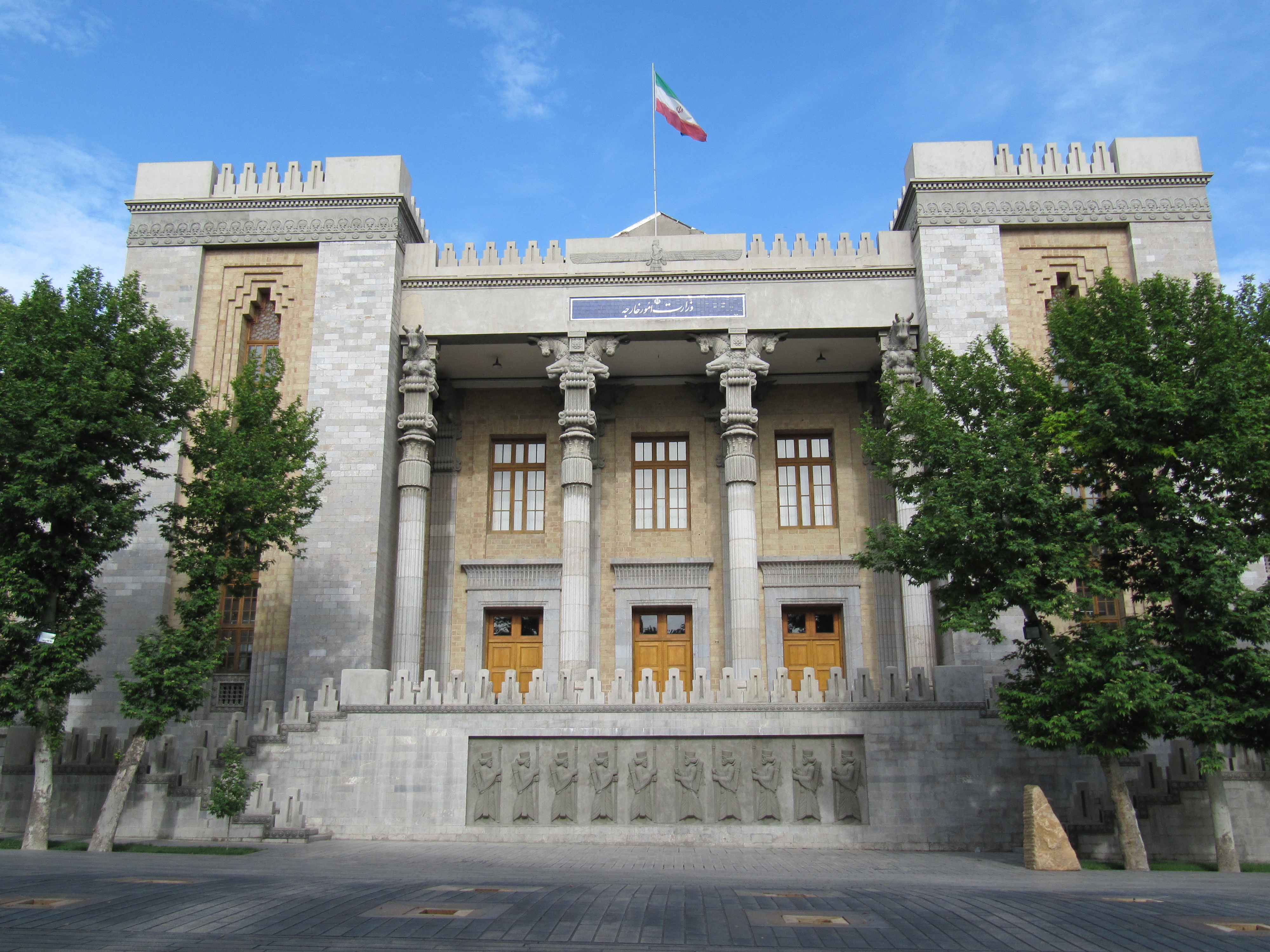
Iranian Foreign Ministry spokesperson Esmaeil Baghaei warned the U.S. and Israel that military exchanges and shifting diplomatic positions are delaying a potential deal.
These statements highlight the fragility of regional negotiations, as Tehran links the progress of diplomatic talks directly to Israeli military actions in Lebanon and the consistency of U.S. foreign policy.
Baghaei addressed the situation in a series of statements reported in June 2024. On June 1, 2024 [2], he said that the contradictory positions of the U.S. and continued Israeli attacks in Lebanon were delaying the diplomatic process. He noted that the constant change of U.S. positions and the conflicts between Israel and Lebanon cause delay in the deal [3].
The Iranian official further cautioned that military escalations would undermine the possibility of a resolution. On June 8, 2024 [1], Baghaei said, "These exchanges of fire will only worsen an already chaotic diplomatic process with the United States."
Tehran's warnings suggest that the Iranian government views the U.S. as a primary obstacle to stability due to perceived inconsistency in its approach. By tying the diplomatic timeline to the cessation of Israeli strikes in Lebanon, Iran is positioning regional stability as a prerequisite for any formal agreement.
The Foreign Ministry spokesperson said that the current environment of mistrust is risking an escalation of hostilities. The statements, reported via Reuters from Dubai, emphasize that the diplomatic path is becoming increasingly narrow as military tensions rise across the region [1], [2].
“"These exchanges of fire will only worsen an already chaotic diplomatic process with the United States."”
The rhetoric from the Iranian Foreign Ministry indicates a strategy of conditional diplomacy, where Tehran leverages regional conflicts in Lebanon to pressure the U.S. into more consistent diplomatic concessions. By framing U.S. policy shifts as the primary cause of delay, Iran seeks to shift the burden of diplomatic failure onto Washington while maintaining a public stance of readiness for a deal, provided military pressures from Israel are removed.


