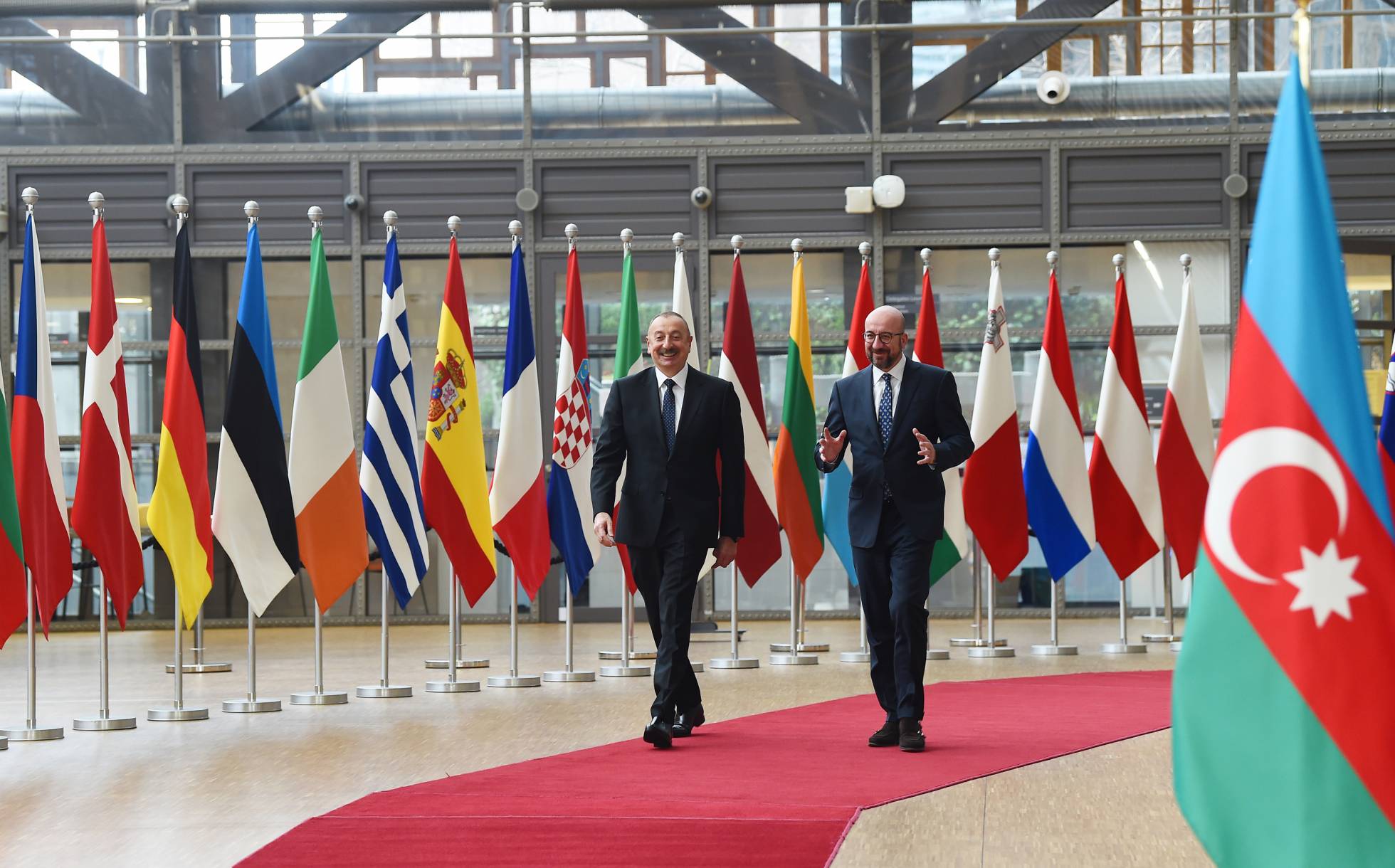
Iranian President Masoud Pezeshkian arrived in Islamabad on Tuesday for a state visit to Pakistan [1].
The visit comes at a critical juncture for regional diplomacy. By strengthening ties with Pakistan, Iran seeks to stabilize its immediate neighborhood while managing its broader international relations following recent diplomatic engagements with the U.S. [2].
President Pezeshkian is focusing the visit on bolstering diplomatic ties and discussing regional developments [1]. The discussions in Islamabad are expected to cover security, trade, and the shared challenges facing both nations in a volatile geopolitical climate.
This diplomatic push follows a series of high-level talks between Iran and the U.S. held in Switzerland [2]. The timing of the visit suggests a strategic effort by the Iranian administration to maintain a balanced regional approach, ensuring that bilateral relations with neighbors remain strong while navigating complex negotiations with Western powers.
Officials in Islamabad and Tehran said the visit is important for deepening cooperation. The state visit serves as a mechanism to address outstanding bilateral issues and to coordinate responses to regional instabilities that affect both countries [1].
While the specific agenda for the meetings remains focused on diplomacy, the broader context of the trip reflects Iran's current foreign policy shift toward engagement. By visiting Pakistan shortly after the Swiss talks, Pezeshkian is signaling a desire for regional cohesion [2].
“Iranian President Masoud Pezeshkian arrived in Islamabad on Tuesday for a state visit to Pakistan”
Pezeshkian's visit to Islamabad indicates a dual-track diplomatic strategy. By engaging with Pakistan immediately after talks with the U.S. in Switzerland, Iran is attempting to prevent regional isolation and secure its borders. This move suggests that Tehran views stable relations with its immediate neighbors as a necessary prerequisite for negotiating from a position of strength with global powers.