
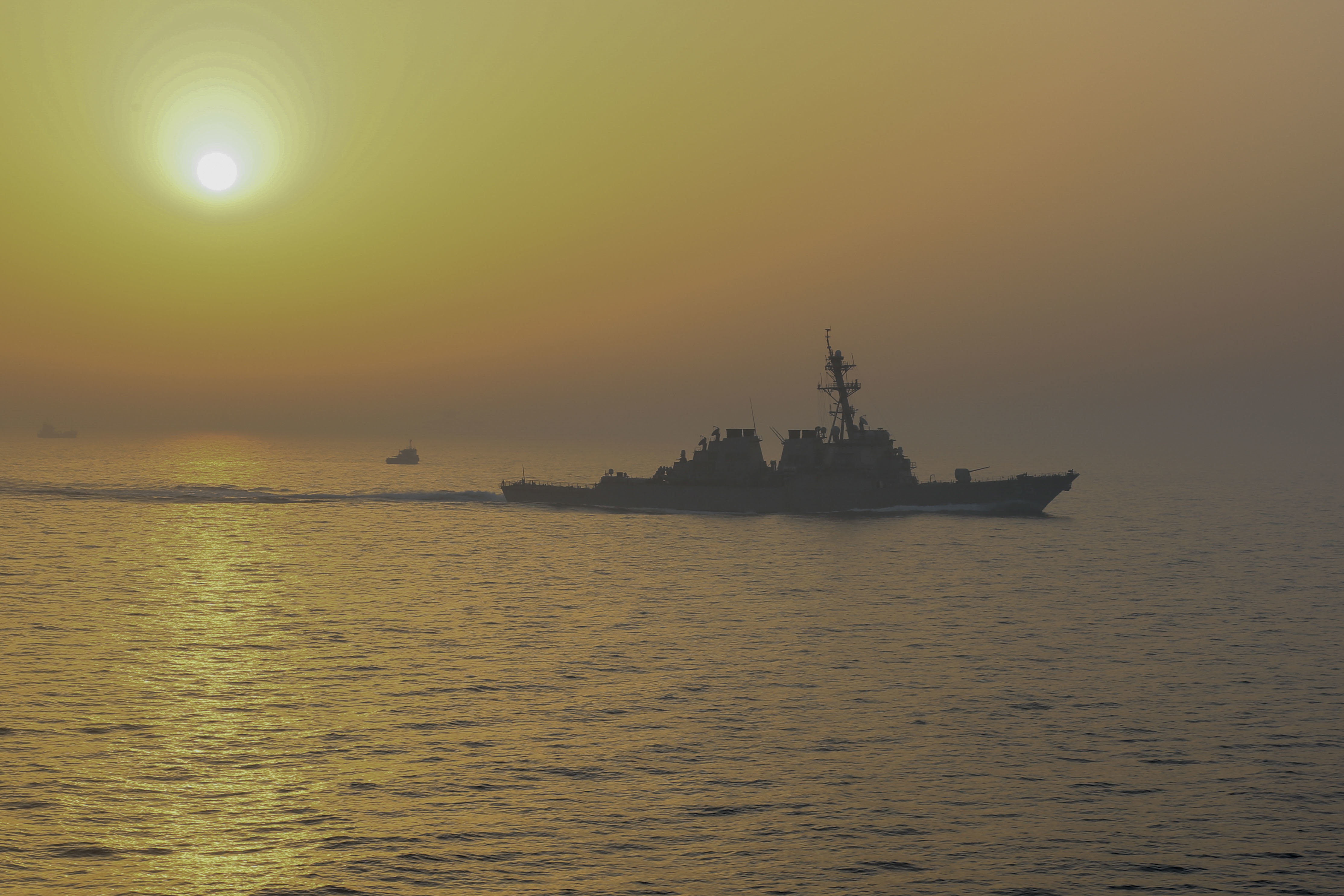
Iranian Revolutionary Guard Corps (IRGC) naval units fired warning shots at a U.S. ship in the Strait of Hormuz this week [4].
The incident occurred near Bandar Abbas, Iran, during a period of heightened regional tension. Because the Strait of Hormuz is a critical global chokepoint for energy shipments, any direct confrontation between U.S. and Iranian forces risks disrupting international maritime trade.
Iranian authorities said the U.S. vessel violated navigation rules, which prompted the IRGC forces to fire the warning shots [1]. Reports indicate that explosions were heard near Bandar Abbas during the encounter [1].
Despite the confrontation, Iranian media reported zero casualties [1] and zero material damage [2]. The encounter took place in a waterway that measures 21 nautical miles at its narrowest point [3] — a narrow corridor where naval proximity often leads to tactical friction.
Other reports from the region have provided conflicting accounts of IRGC activity. Some sources indicated the naval units were engaged in joint drills with Russia and China, deploying submarines and fast boats within the range of U.S. aircraft carriers [3]. Additional reports suggested the IRGC targeted oil tankers, though the primary account focuses on the U.S. vessel [1].
U.S. officials have not yet provided a detailed public response to the specific allegations of navigation violations. The IRGC said its actions were a necessary response to the ship's movement within the region [1].
“IRGC naval units fired warning shots at a U.S. ship in the Strait of Hormuz”
This encounter underscores the volatility of the Strait of Hormuz, where narrow geography and competing territorial claims frequently lead to military friction. The discrepancy between reports of 'joint drills' and 'direct clashes' suggests a complex operational environment where planned exercises and spontaneous confrontations overlap, increasing the risk of miscalculation between the U.S. and Iran.


