
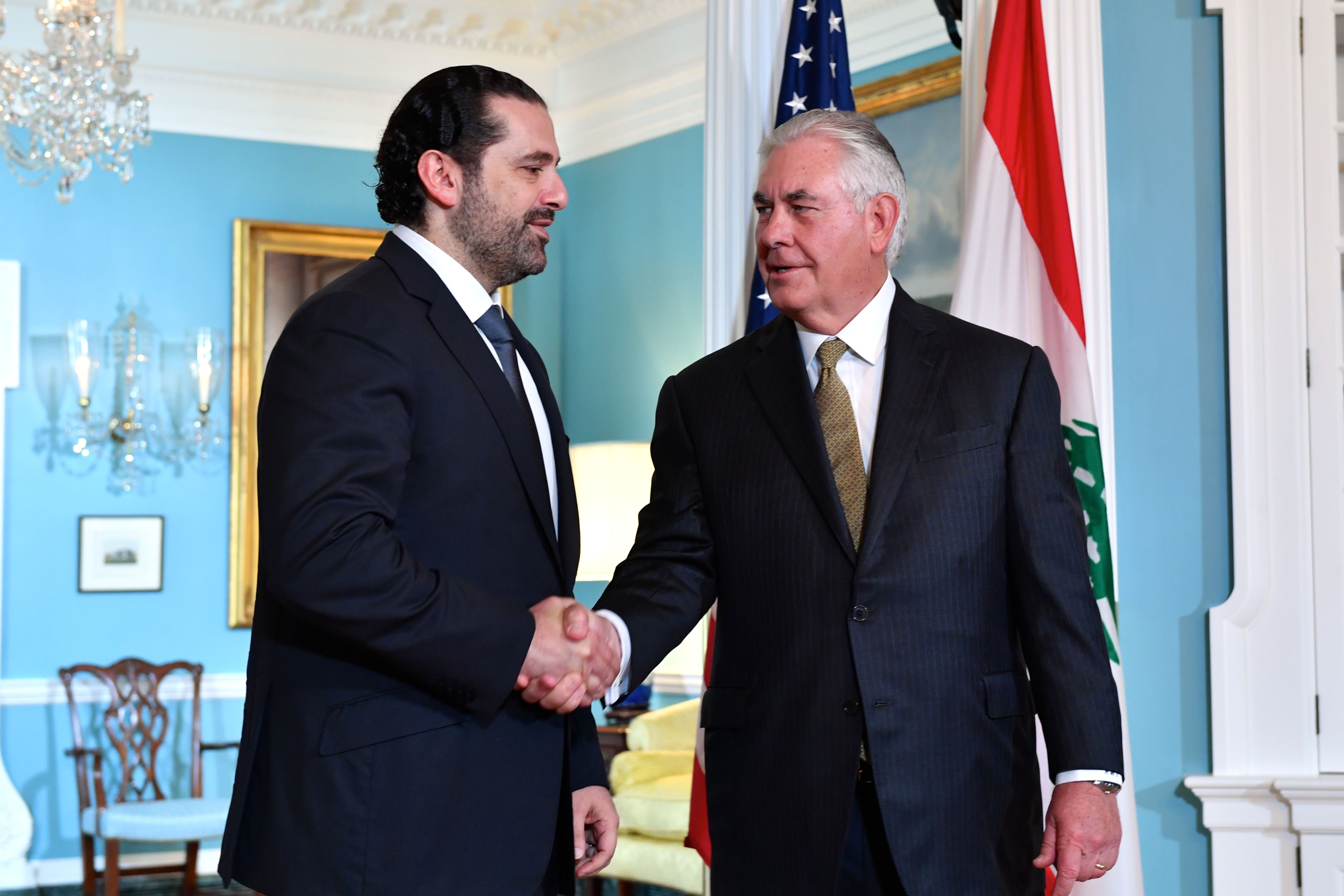
Officials from Israel and Lebanon met in Washington, D.C., this Friday to discuss a cease-fire and regional stability [2].
These simultaneous developments in diplomacy and domestic law highlight a volatile period for U.S. foreign policy and internal electoral administration. The outcome of the diplomatic talks could shift the security landscape in the Middle East, while the judicial ruling affects how millions of Americans may cast their ballots.
The meetings between the two nations follow a series of reports regarding diplomatic efforts. While some reports indicated talks occurred on May 14, 2026 [1], other reports said the officials were set to meet on May 29, 2026 [2]. The discussions center on establishing a cease-fire and ensuring broader stability across the region [1].
In a separate legal development in the U.S. capital, a federal judge declined to block an executive order issued by President Trump. The order in question seeks to limit the use of mail-in voting [2].
Democrats had filed a bid to block the executive order, arguing against the restrictions. The judge said the order could not be blocked pending further litigation [2]. This decision follows a period of legal uncertainty, as some reports previously indicated a judge was scheduled to hear arguments without a ruling yet issued [1].
The ruling on May 14, 2026 [2], ensures that the restrictions on mail-in voting remain in place for the time being. Legal challenges are expected to continue as both parties argue over the validity of the executive order's constraints on the voting process.
“Officials from Israel and Lebanon met in Washington, D.C., this Friday to discuss a cease-fire.”
The convergence of these events underscores the dual pressures facing the U.S. administration: managing high-stakes Middle East diplomacy to prevent wider conflict and navigating a contentious domestic legal battle over electoral access. The judge's refusal to block the voting order provides the executive branch a temporary victory, though it sets the stage for a protracted legal conflict over voting rights.


