
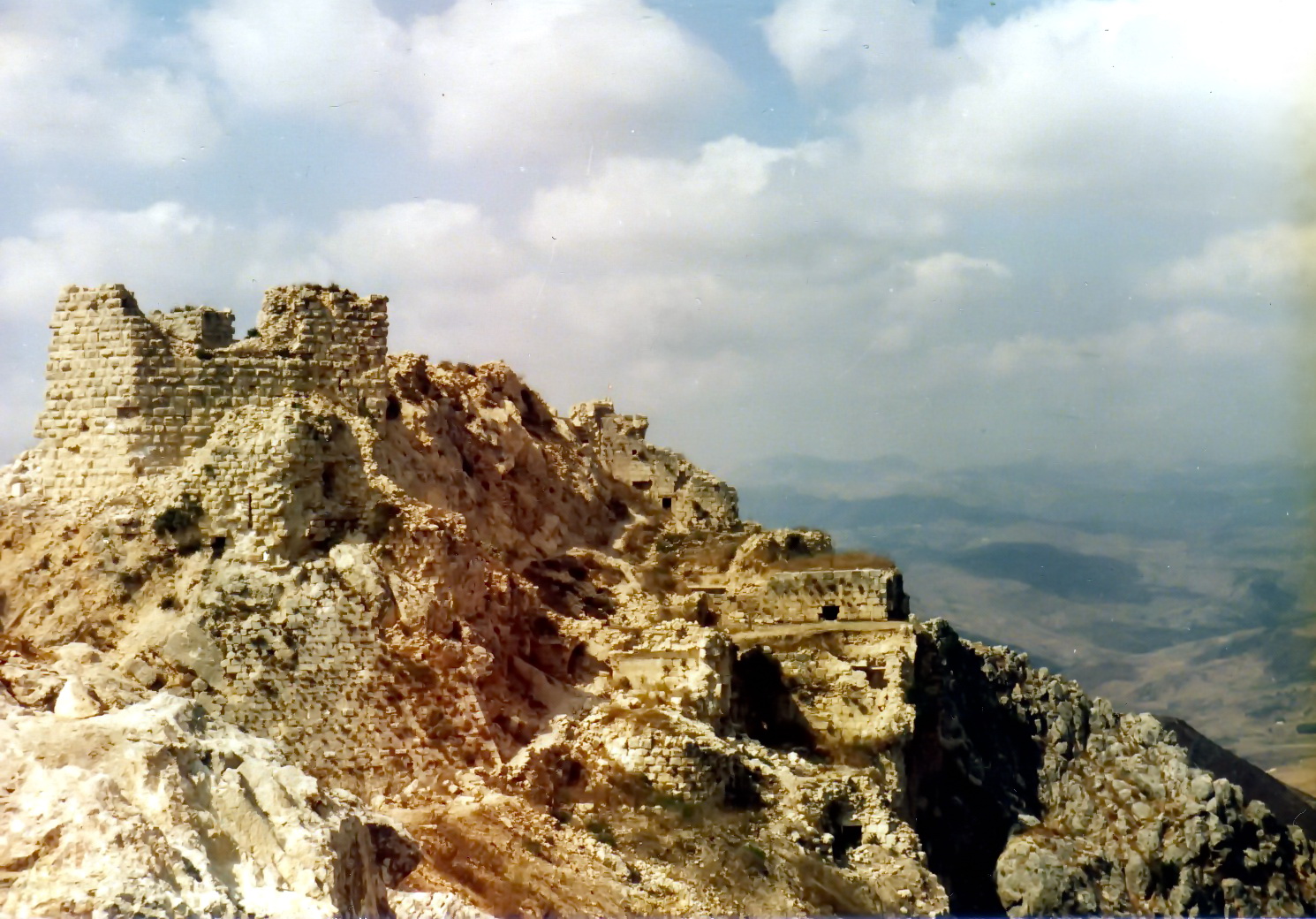
Israeli air strikes in southern Lebanon produced smoke near the 12th-century Beaufort Castle, sparking warnings that historic sites are at risk [1, 2].
The potential damage to the fortress, also known as Qala’at al-Shaqif, represents a loss of global cultural heritage. The site overlooks the Litani River and serves as a critical landmark of the Crusader era [1, 2].
Lebanon’s culture minister said heritage sites are in serious danger and that a castle was directly hit [3]. The strikes occurred as part of Israel’s ongoing military campaign against Hezbollah targets in the southern region of the country [1, 2]. Lebanese authorities said some strikes landed close to landmarks and historic sites protected by UNESCO [4].
Casualty reports from the recent wave of strikes vary across sources. Lebanese officials said the latest strikes killed 19 people, including women and children [5]. Other reports indicate a range of fatalities, with some sources citing 14 deaths [6], 22 deaths [7], or as many as 31 deaths [8].
Beaufort Castle has historically been a strategic point due to its elevation and position. The current military activity has brought modern conflict into direct contact with medieval architecture, a recurring theme in the region's volatile border zones [1, 2].
“Heritage sites are in serious danger; a castle was directly hit.”
The strikes near Beaufort Castle highlight the precarious nature of cultural preservation in active conflict zones. When military targets are situated near UNESCO-protected sites, the risk of collateral architectural damage increases, potentially erasing irreplaceable historical records of the Crusader period in the Levant.


