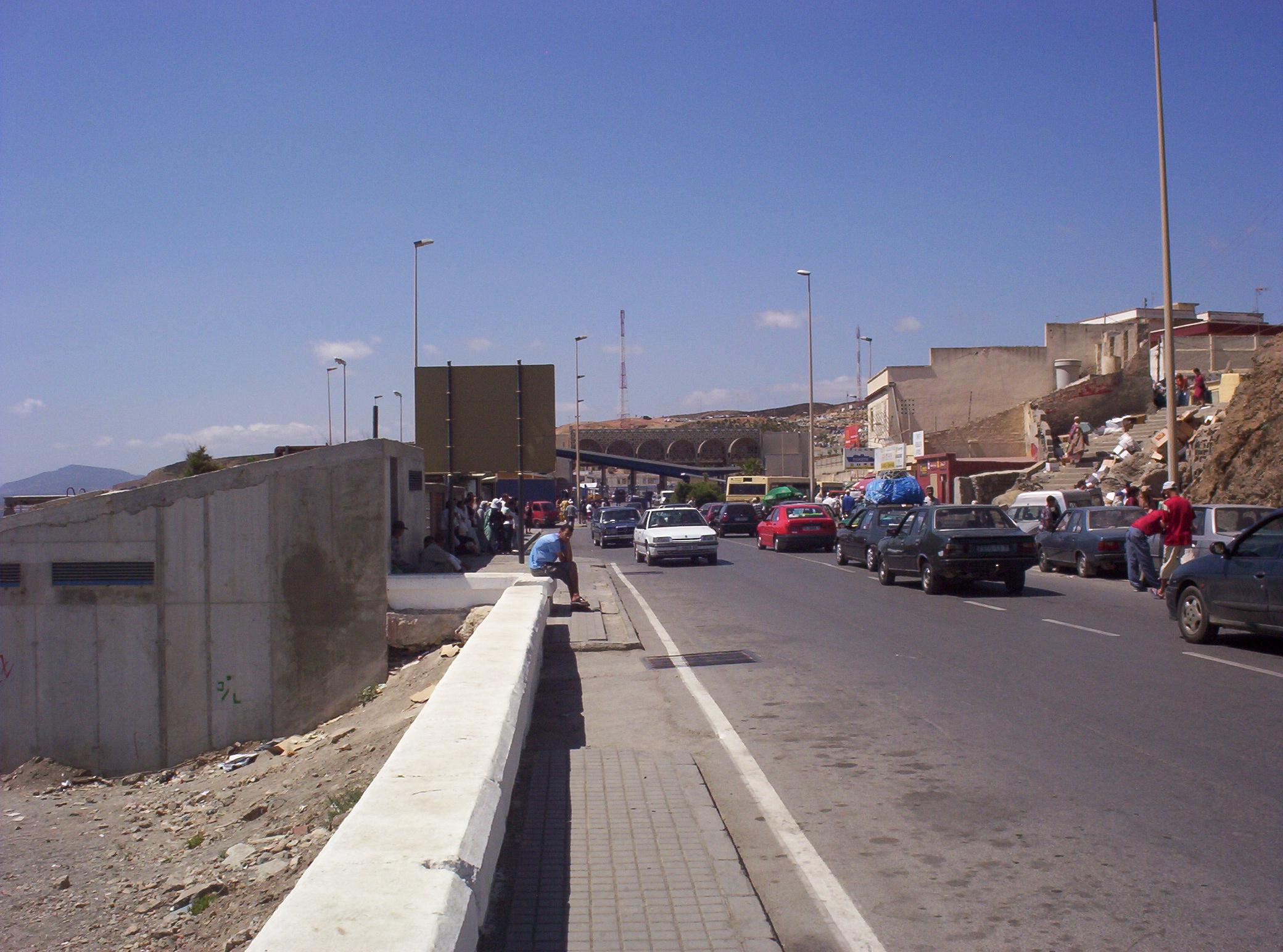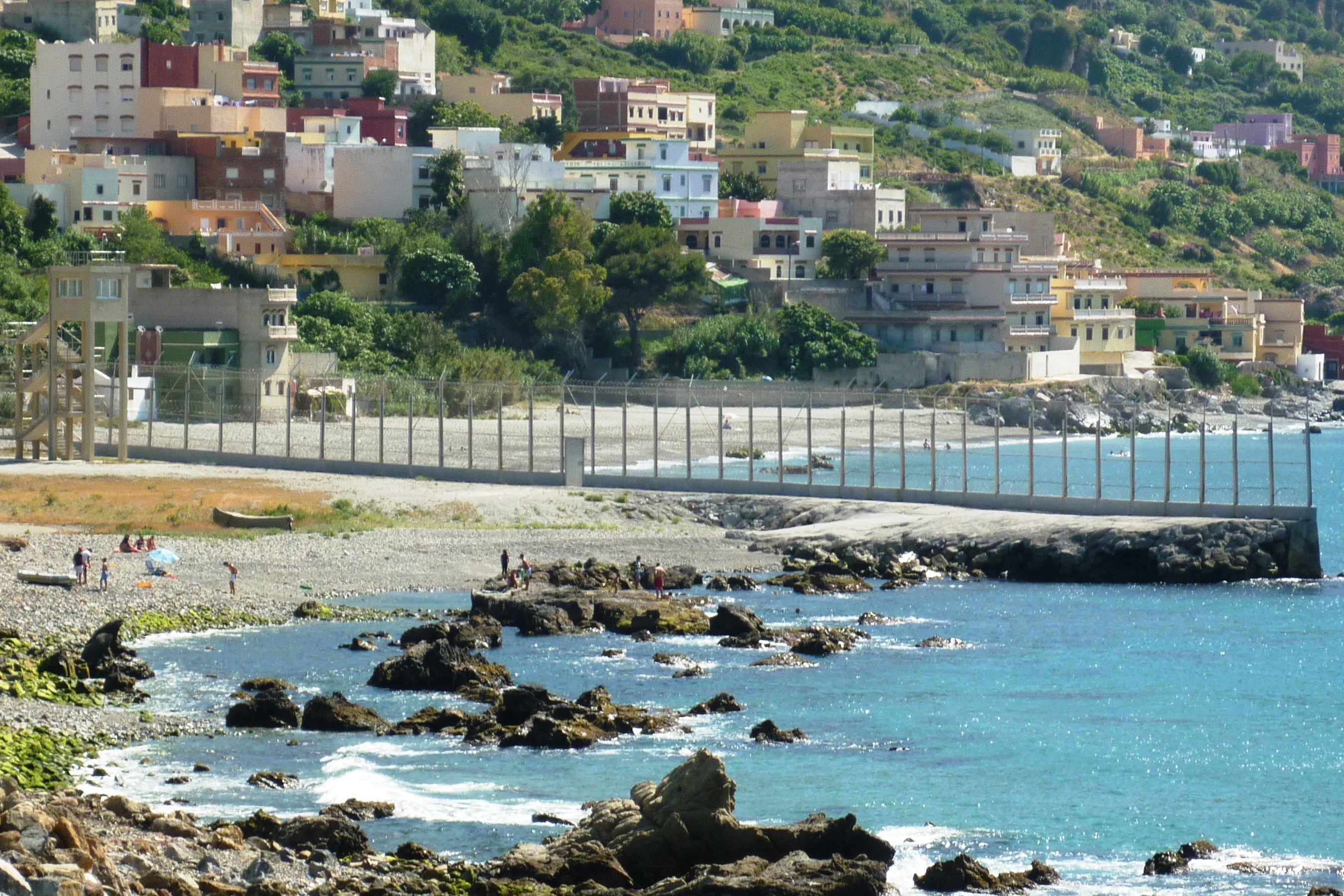
The Italian government is calling for European Union travel restrictions following mass arrivals of migrants in the Spanish enclave of Ceuta [1].
This development signals growing friction within the EU over how to manage external borders and the distribution of asylum seekers. The pressure on Spain is now influencing the policy positions of other Mediterranean nations, potentially shifting the bloc toward more restrictive movement policies.
Spanish Prime Minister Pedro Sánchez is facing increased pressure as the situation in Ceuta intensifies [1]. The North African enclave, which remains under Spanish sovereignty, has become a focal point for migrants attempting to enter the European Union [1].
Italy has responded to the crisis by suggesting that the EU implement broader travel restrictions to curb the flow of people [1]. This move reflects a broader trend of Mediterranean countries seeking more aggressive intervention from Brussels to manage migration surges, a strategy that often clashes with the EU's commitment to open internal borders.
While the Spanish government manages the immediate humanitarian and security challenges in Ceuta, the Italian proposal seeks to institutionalize a more rigid border regime [1]. The tension highlights a divide between national security priorities and the legal frameworks governing migration within the Schengen Area.
Officials in Madrid have not yet formally adopted the Italian proposal, but the scale of the arrivals has limited the government's options [1]. The situation remains fluid as migrants continue to gather at the enclave's borders [1].
“The Italian government is calling for European Union travel restrictions”
The call for travel restrictions suggests a pivot toward 'fortress Europe' policies, where Mediterranean states prioritize border security over the seamless movement of the Schengen Agreement. If Italy successfully lobbies the EU for these restrictions, it could set a precedent for suspending open-border policies during regional migration spikes, fundamentally altering the legal landscape of European travel and asylum.