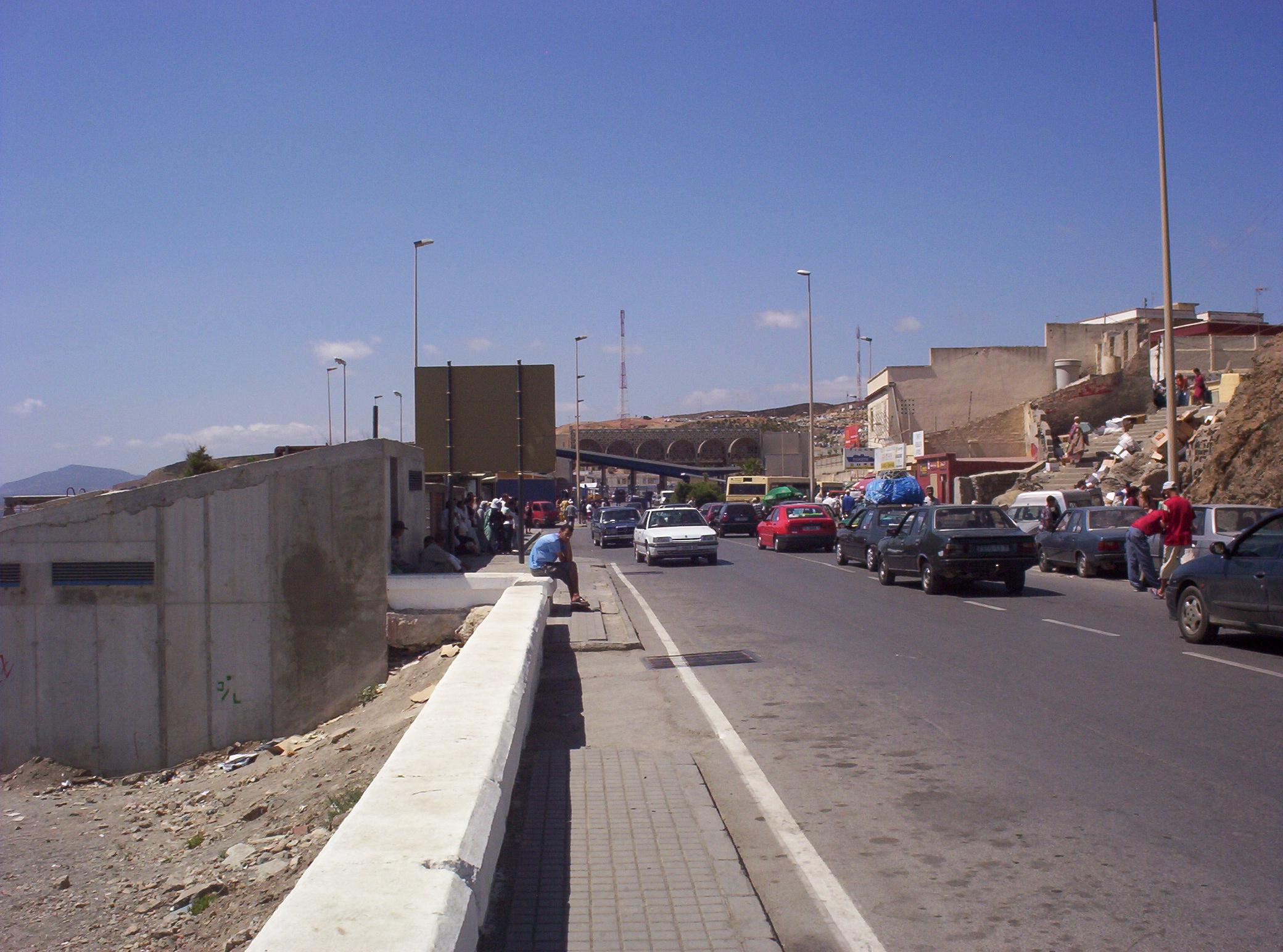
Italy called for Spain to be suspended or closed from the Schengen area on Thursday after a surge of migrants entered Ceuta [1].
The dispute threatens the stability of the border-free travel zone and highlights escalating tensions between European neighbors over migration management.
Italian Foreign Minister Antonio Tajani demanded the measures after hundreds of migrants [2] crossed from Morocco into the Spanish exclave of Ceuta [1]. Reports indicate that more than 300 migrants entered the territory [2], overwhelming local security forces.
In response to the influx, the Spanish government announced the deployment of army units to reinforce security in Ceuta [3]. The military presence aims to stabilize the border and prevent further unauthorized entries from the North African coast [3].
Italy's demand represents a significant escalation in diplomatic friction. While some reports state Tajani said Spain should be "suspended" from the Schengen zone [4], others indicate he said the zone be "closed" to Spain [1]. Both interpretations suggest a move to reinstate internal border controls that the Schengen agreement typically removes.
The crisis in Ceuta has prompted immediate reactions across Europe. The North African exclave remains a primary entry point for those seeking to enter the European Union, often leading to friction between Spain and Morocco [1].
Spain has not yet provided a detailed timeline for the military deployment but confirmed the units are moving to secure the perimeter [3].
“Italy called for Spain to be suspended or closed from the Schengen area”
This confrontation signals a potential breakdown in the collective security framework of the Schengen Area. By calling for the suspension of a fellow member state, Italy is prioritizing national border integrity over the EU's commitment to open internal borders. If other nations follow Italy's lead, it could lead to a fragmented Europe where temporary border closures become permanent fixtures of migration policy.


