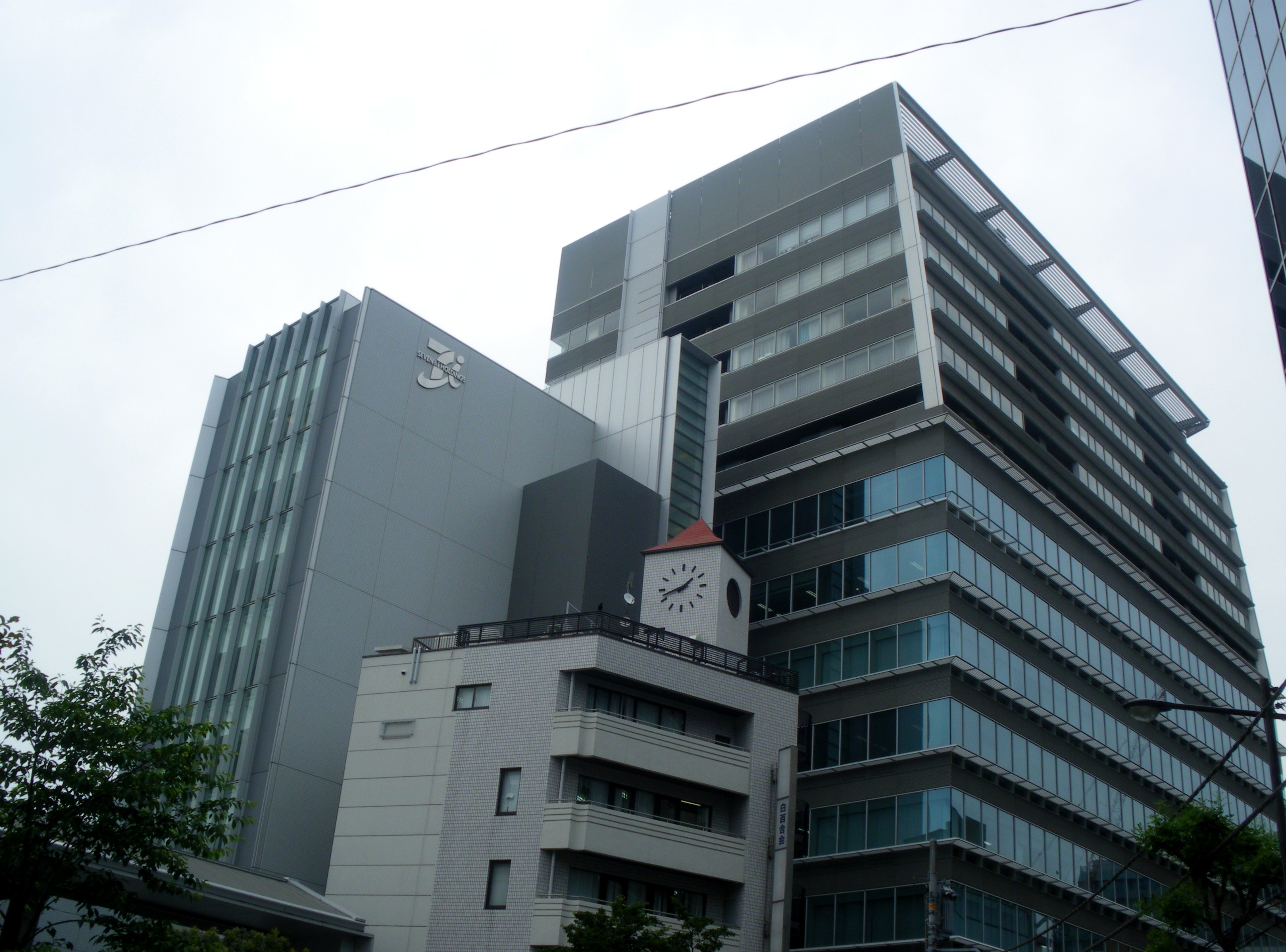
Ito-Yokado will replace plastic lids on meat and sashimi packaging with plastic wrap starting in late May [1].
This shift highlights how geopolitical instability in the Middle East is now directly impacting the operational costs and packaging standards of Japanese retail. The shortage of naphtha, a petroleum-derived raw material essential for plastic production, has constrained the supply and increased the price of plastic containers [1], [2], [3].
Retailers are facing a critical bottleneck in the supply chain. Because naphtha is a primary feedstock for the petrochemical industry, any disruption in oil production or transport from the Middle East leads to a scarcity of the polymers needed for rigid plastic packaging [1]. This has forced the supermarket chain to revert to wrap, which requires different material specifications than the rigid lids previously used for fresh proteins.
Industry experts suggest the crisis extends beyond meat packaging. A reporter said that the ripple effects of the naphtha shortage have been seen in products as diverse as bananas and chocolate [4]. The volatility of raw material costs is creating a precarious environment for food retailers attempting to maintain stable pricing for consumers.
Economic analysts warn that the pressure on supply chains may lead to broader consumer impacts. Teikoku Databank said that the deterioration of the situation in the Middle East is affecting naphtha supplies and could lead to continued increases in food prices [5].
Furthermore, there are concerns that the current supply crunch will trigger a wider wave of price hikes. Some reports indicate that a new rush of food price increases could emerge in June [6]. This potential trend suggests that the packaging change at Ito-Yokado is a symptom of a larger systemic vulnerability in the global petrochemical supply chain [1].
“Naphtha shortage is directly linked to the supply of plastic products.”
The transition from rigid plastic lids to wrap is a tactical move to maintain inventory during a raw material crisis. It demonstrates the fragility of the 'just-in-time' supply chain for plastics, where geopolitical events in oil-producing regions can force immediate changes to product presentation and packaging on supermarket shelves in Japan.


