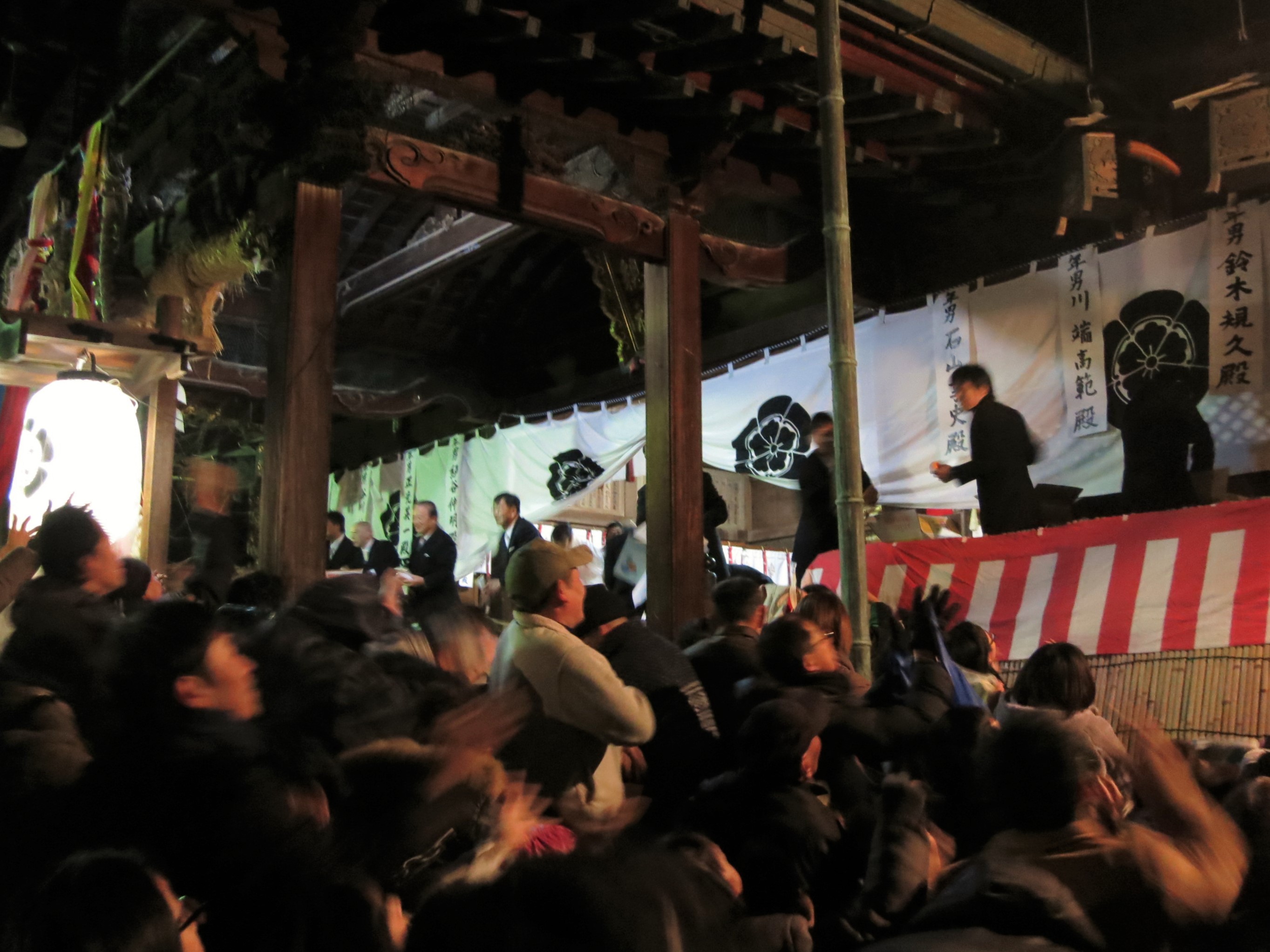
Approximately eight million Shinto deities gather annually at the Izumo Grand Shrine in Izumo, Japan, to determine the fates of the physical world [1].
This spiritual assembly serves as a cornerstone of Shinto tradition, marking a period where the divine and mortal realms intersect through ritual and belief. The gathering reflects the deep cultural integration of animism, and community identity within Japanese society.
The event takes place every year in November [2]. This specific timeframe is known as the "month of deities," a period dedicated to the assembly of spirits from across the land. According to tradition, these deities travel to the shrine to deliberate on the fortunes and destinies of humans for the coming year [1].
Izumo Grand Shrine remains the focal point for this exodus. The site hosts the assembly of 8,000,000 deities [1], creating a spiritual hub that draws significant crowds of worshippers and observers. The tradition emphasizes the interconnectedness of the natural world and the divine, as the deities are believed to be spirits of nature, ancestors, and celestial bodies.
While the gathering is spiritual in nature, it manifests in physical rituals conducted by Shinto priests. These practitioners maintain the shrine and facilitate the environment necessary for the divine assembly to occur. The process is viewed not as a single event, but as a month-long convergence of spiritual energy focused on the stability and prosperity of the world [2].
Observers and pilgrims travel to Izumo during this time to align themselves with the divine deliberations. The scale of the gathering—encompassing millions of spirits—underscores the expansive nature of the Shinto pantheon, which recognizes the divine in all things [1].
“Approximately 8 million Shinto deities gather annually at the Izumo Grand Shrine”
The annual gathering at Izumo Grand Shrine illustrates the persistence of traditional Shinto beliefs in modern Japan. By conceptualizing a divine forum that decides the fate of the physical world, the practice reinforces a cultural worldview where human destiny is entwined with the natural and spiritual environment.


