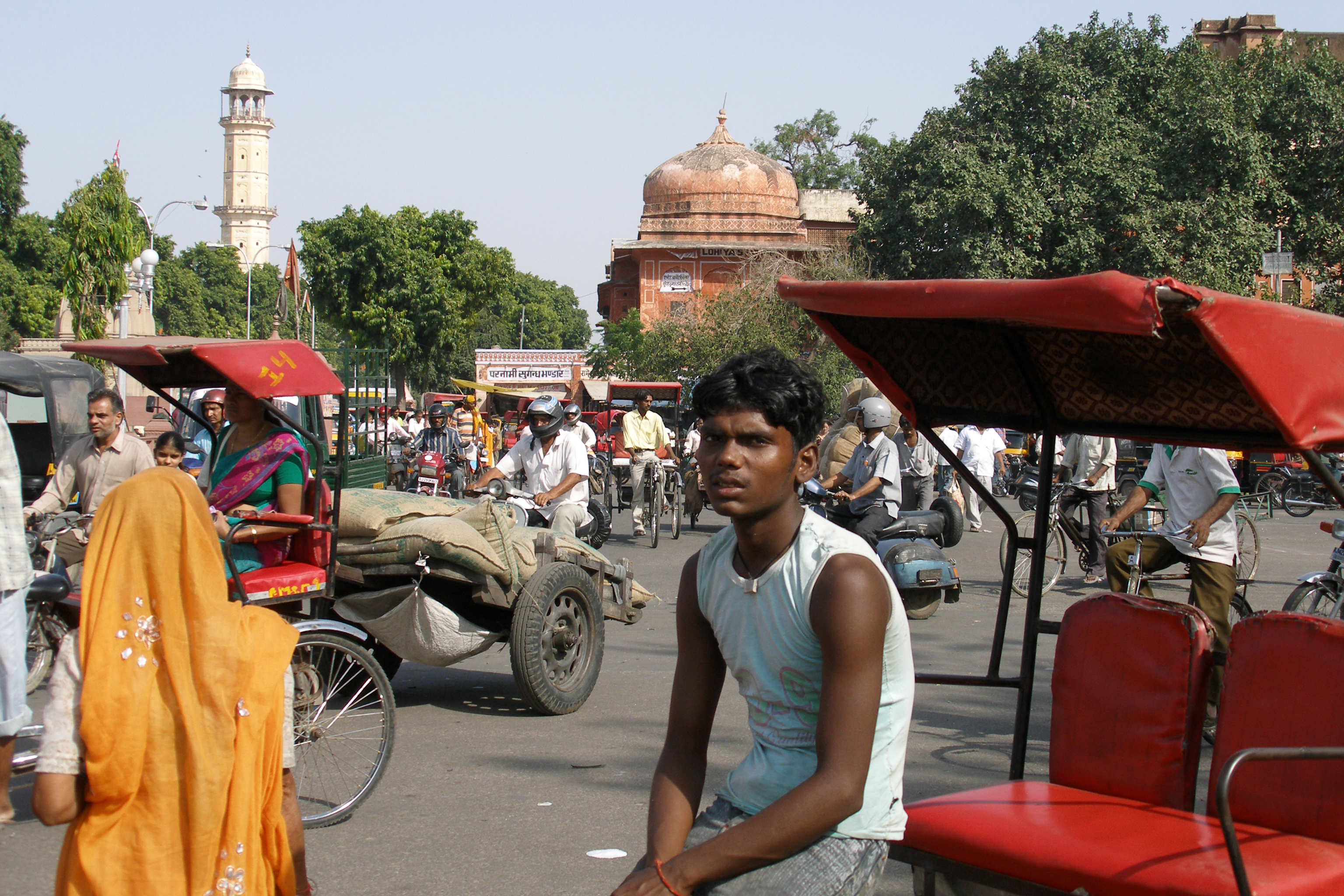
Police in Jaipur deployed water cannons to disperse crowds after BJP and Congress party workers attempted to surround each other's state headquarters [1].
The clashes signal escalating tensions between India's two largest political parties as local protests mirror national confrontations in the capital. This volatility in Rajasthan reflects a broader pattern of aggressive street-level mobilization.
The unrest occurred on July 22, 2026 [1], in Jaipur, Rajasthan [2]. Workers from both the Bharatiya Janata Party (BJP) and the Indian National Congress engaged in competing protests that turned into attempts to gherao, or besiege, the opposing party's offices [1].
Local authorities intervened when the demonstrations turned fierce, using water cannons to break up the crowds and prevent further violence [1]. The confrontations were sparked by a sit-in conducted by Congress leaders Rahul Gandhi and Priyanka Gandhi at the Prime Minister's residence in Delhi [3].
As the national leadership of the Congress party intensified its pressure on the central government in Delhi, the ripple effects reached Rajasthan. The rival rallies in Jaipur quickly devolved into physical confrontations between party cadres [3].
Police officials monitored the situation throughout the day to maintain order in the city. While the water cannons successfully dispersed the protesters, the atmosphere in the state capital remained tense following the events of July 22 [1].
“Police in Jaipur deployed water cannons to disperse crowds after BJP and Congress party workers attempted to surround each other's state headquarters.”
The transition of political disagreement from legislative debate to physical confrontation at party headquarters indicates a heightened state of polarization. By linking local unrest in Jaipur directly to the actions of national leaders in Delhi, the event demonstrates how centralized party strategies can trigger immediate, volatile reactions across various Indian states.


