
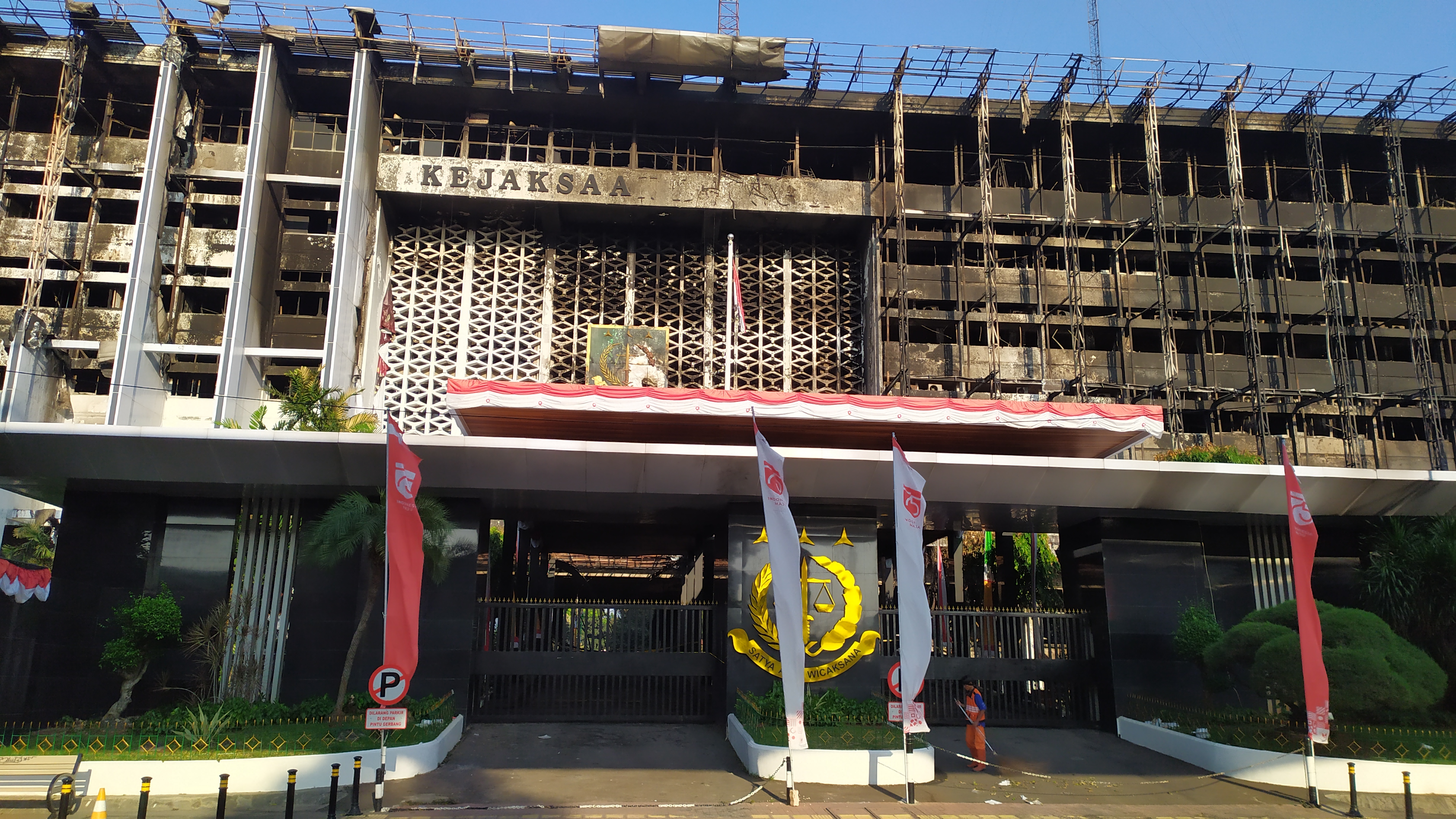
A massive fire engulfed the Jiung market neighborhood in Jakarta, Indonesia, on the night of June 1, 2024 [1].
The disaster highlights the extreme vulnerability of densely populated urban centers in Jakarta, where narrow streets and crowded structures can accelerate the spread of flames.
The blaze broke out on Monday night, sweeping through the market and surrounding residential areas [1]. The fire caused extensive damage to the infrastructure of the neighborhood, which serves as a critical hub for local vendors and residents [2, 3].
Emergency responders worked to contain the flames in the densely packed district. While the exact cause of the ignition has not been reported, the scale of the destruction was significant [1, 2].
The human toll of the incident is substantial. The fire left hundreds of people homeless as their residences and places of business were destroyed [3]. Many of these individuals relied on the Jiung market for their primary source of income, adding an economic crisis to the loss of shelter.
Local authorities and emergency services managed the scene to prevent the fire from spreading further into the adjacent neighborhoods. The impact on the community remains severe as residents begin to assess the wreckage of their homes and shops [2, 3].
“A massive fire engulfed the Jiung market neighborhood in Jakarta”
This incident underscores the recurring challenges of urban planning and fire safety in Jakarta's high-density districts. The loss of hundreds of homes and livelihoods in a single event suggests that limited access for emergency vehicles and the prevalence of flammable building materials in market areas continue to pose a systemic risk to the city's population.


