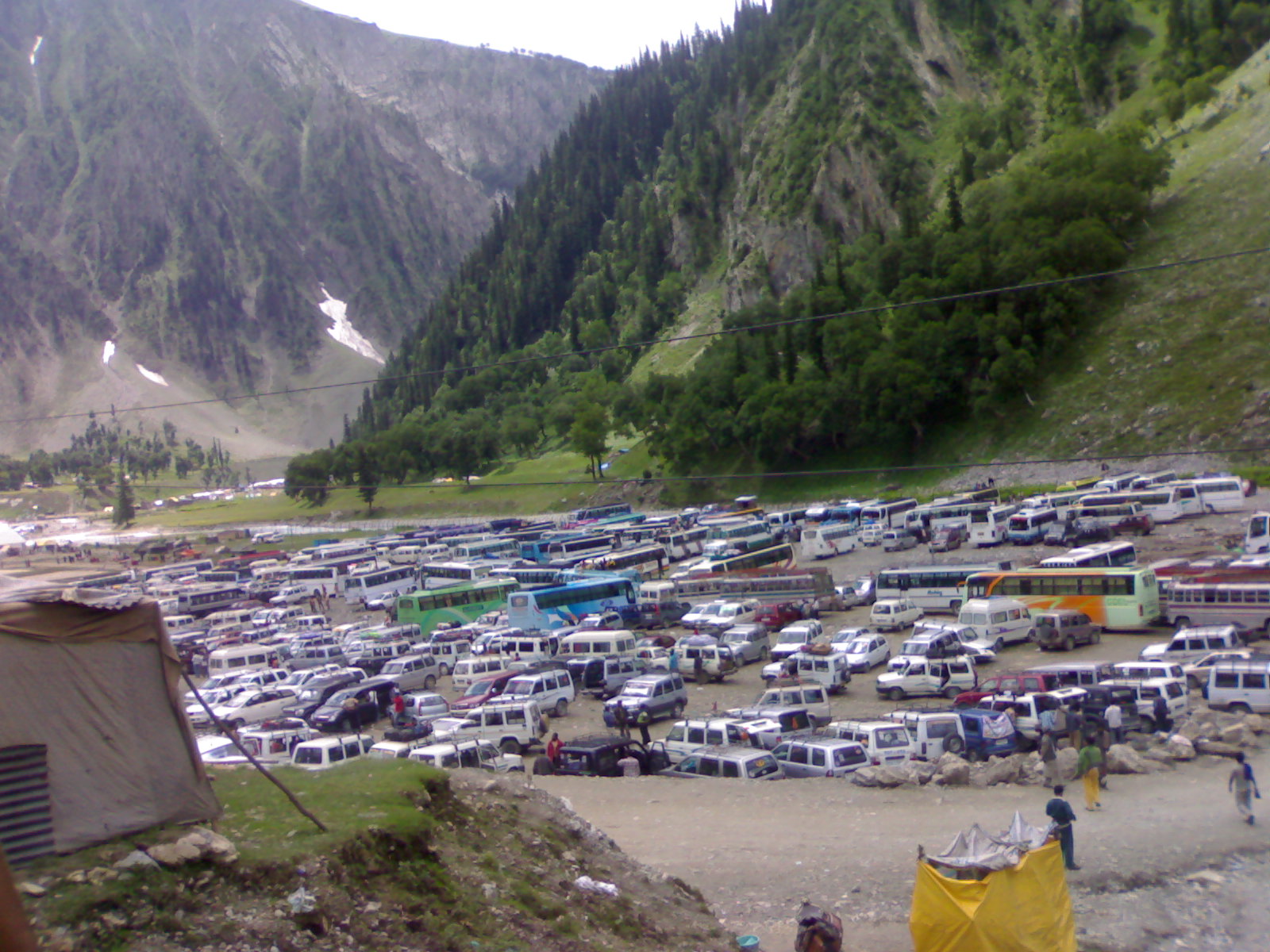
Jammu and Kashmir Lieutenant Governor Manoj Sinha and security agencies have launched the largest security operation ever for the Amarnath Yatra pilgrimage [1].
The scale of the operation reflects an effort to prevent security breaches and natural disasters in a region prone to volatile weather and instability. By integrating advanced technology with physical manpower, authorities aim to ensure the smooth movement of devotees across high-altitude terrain.
The pilgrimage is scheduled to begin July 3, 2024 [1]. Security forces are monitoring the primary routes via Baltal and Pahalgam to maintain order and safety [1], [2]. This year's plan emphasizes the prevention of weather-related catastrophes, specifically citing the need to avoid a repeat of the flash floods that occurred in 2022 [2].
To mitigate environmental risks, the administration has deployed 45 mountain rescue teams [2]. These teams are tasked with rapid response and evacuation in the event of landslides, or medical emergencies in the mountains.
Technological surveillance has also been expanded to provide real-time data on atmospheric conditions. The administration is utilizing 24-hour Doppler radars to track weather patterns [2]. This continuous monitoring allows officials to make informed decisions regarding the movement of pilgrims and potential closures of the routes during severe storms.
Lt. Governor Manoj Sinha said the comprehensive plan is designed to ensure the safety of all participants. The coordination involves multiple security agencies working in tandem to secure the perimeter and the interior of the pilgrimage paths [1].
“Jammu and Kashmir authorities have launched the largest security operation ever for the Amarnath Yatra pilgrimage.”
The deployment of high-tech weather monitoring and specialized rescue teams indicates a shift in the administration's approach, prioritizing disaster risk reduction alongside traditional security. By focusing on the lessons learned from the 2022 flash floods, the government is treating environmental volatility as a primary threat to the pilgrimage's stability.


