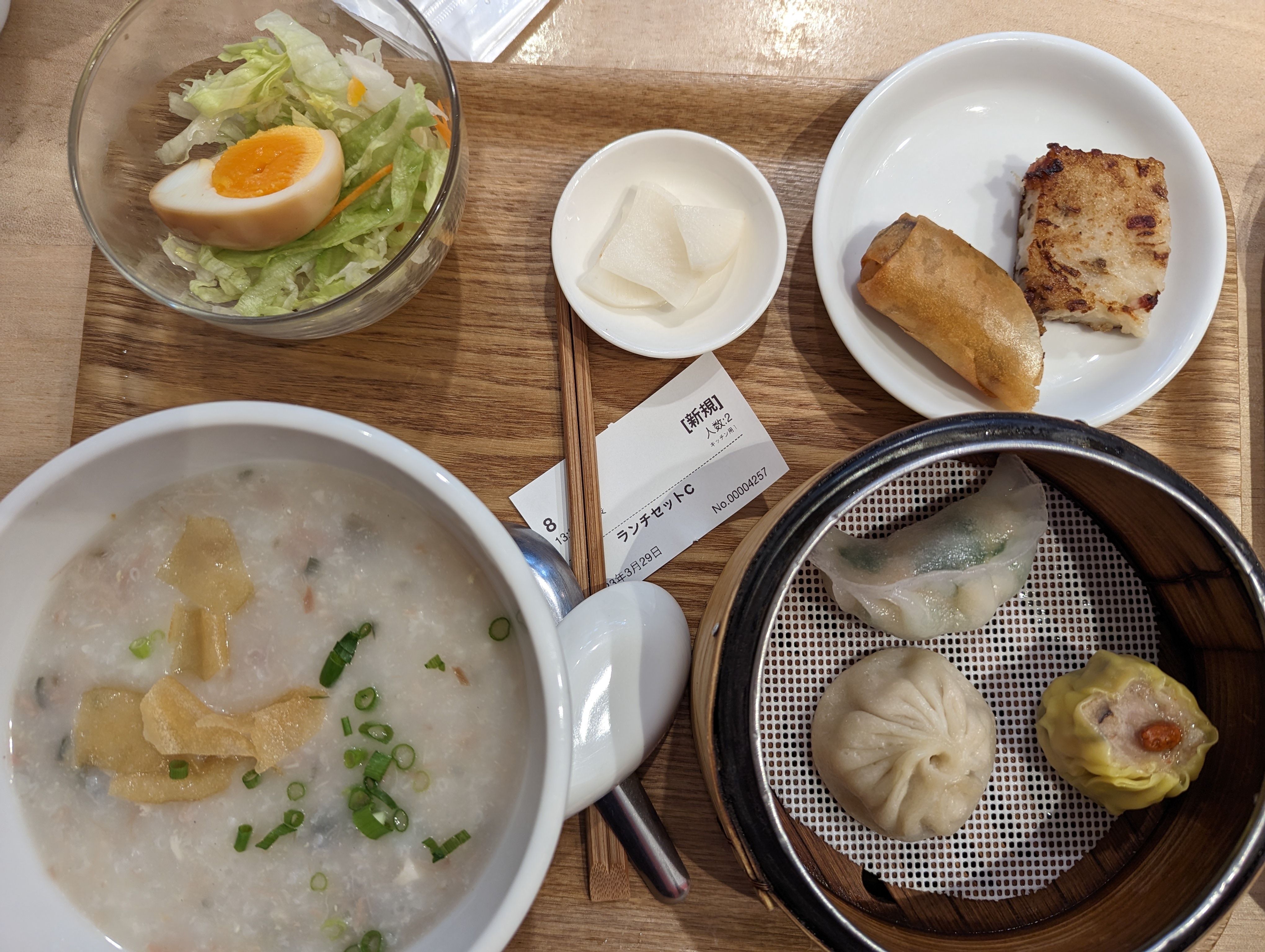
Several Japanese restaurants are offering "one-coin" lunch sets priced at 500 yen to provide affordable dining options [1].
These low-cost meals are appearing as a response to rising food prices across the country. As inflation affects daily living costs, these establishments are positioning themselves as accessible alternatives for workers and residents seeking budget-friendly midday meals.
Among the available options is a mackerel tatsuta-age set that includes tuna sashimi, and various side dishes for 500 yen [1]. Other popular choices priced at the same 500 yen rate include omelette rice, and fried rice lunch sets [1, 2]. These meals allow customers to pay with a single 500-yen coin, simplifying the transaction while keeping costs low.
Some offerings are even more aggressive in their pricing. One establishment is selling chicken curry for 100 yen [1]. This pricing strategy aims to attract customers who are increasingly sensitive to the cost of dining out due to the economic climate.
The trend highlights a growing disparity between standard market pricing and the affordability needs of the general public. By maintaining these price points, restaurants are attempting to sustain customer foot traffic despite the upward pressure on ingredient costs.
“Japanese restaurants are offering "one-coin" lunch sets priced at 500 yen.”
The emergence of 100 and 500-yen meal sets suggests that Japanese consumers are experiencing significant pressure from food inflation. While these prices are likely unsustainable for long-term profit margins, they serve as a short-term social safety net and a marketing tool to maintain loyalty during an economic downturn.


