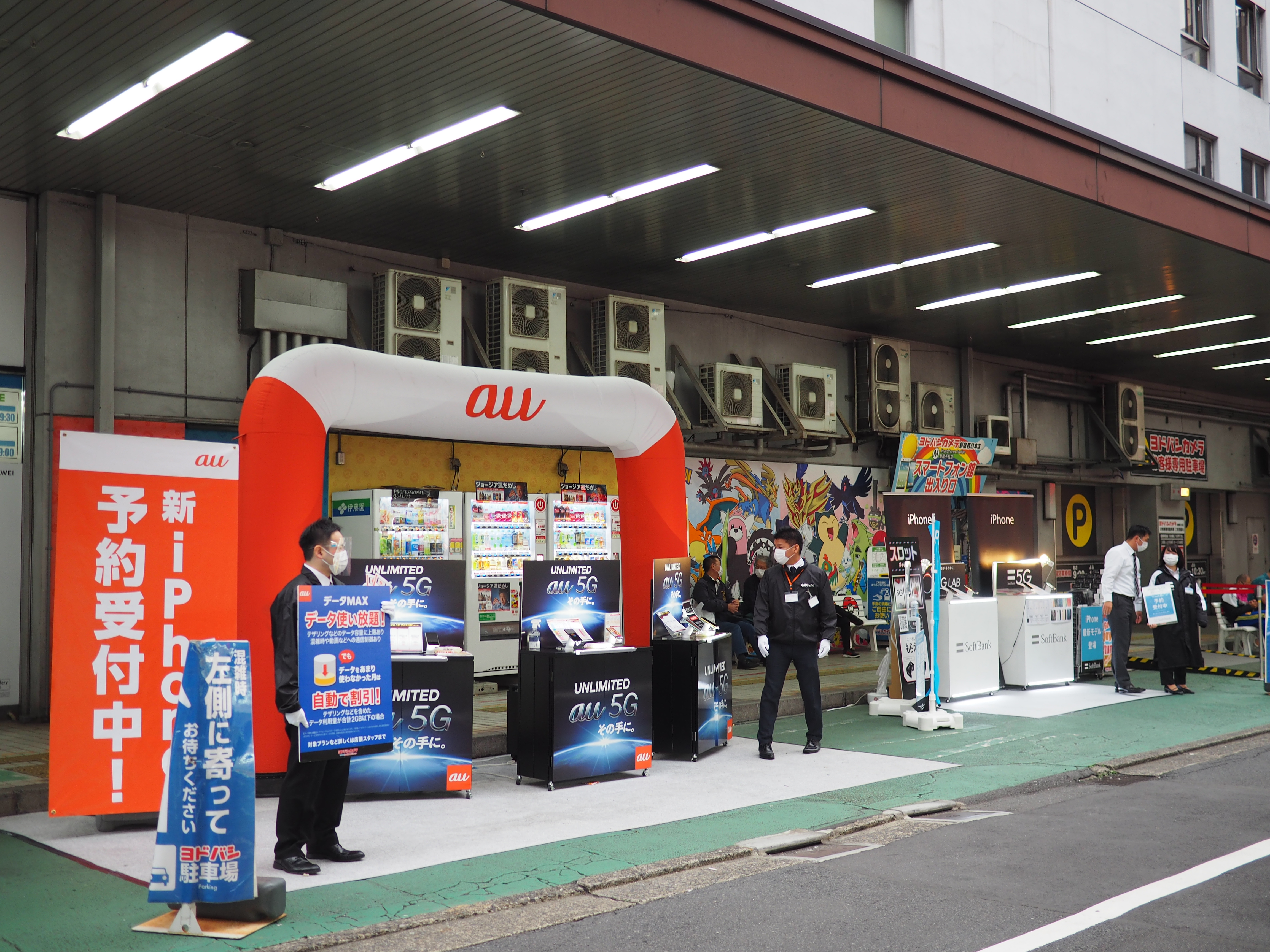
Large home electronics stores in Japan's Kanto region saw a significant increase in sales this May, driven by a surge in air conditioner purchases [1].
This trend reflects a broader consumer rush to replace appliances before new government energy-saving standards take effect in April 2027. Because these stricter regulations are expected to raise the cost of new units, shoppers are purchasing current models to avoid future price hikes [4].
Sales at large electronics retailers reached 227.9 billion yen in May, representing a 23.9% increase compared to the same month last year [1]. Home centers also saw growth, with May sales totaling 144.8 billion yen, up 9.7% from the previous year [1].
The spike is most evident in the air conditioning sector. Shipments of air conditioners in May totaled 127.6 billion yen, a 22.3% increase over the previous year [2]. Some regional reports indicate that the rush for air conditioners has been even more pronounced, with demand in certain areas increasing to approximately 1.5 times the previous year's levels [3].
Retailers in the Kanto region and various home centers have seen their inventories move quickly as the "2027 problem" prompts early replacements [1]. Consumers are prioritizing efficiency, and cost-saving by securing current technology before the regulatory shift changes the market landscape [4].
“Sales at large electronics retailers reached 227.9 billion yen in May, representing a 23.9% increase.”
The surge in sales demonstrates how anticipated regulatory changes can create artificial demand peaks, known as 'rush demand.' By tightening energy-saving standards in April 2027, the Japanese government is pushing for long-term environmental sustainability, but the immediate result is a short-term market distortion where consumers accelerate the replacement cycle of their appliances to hedge against inflation.


