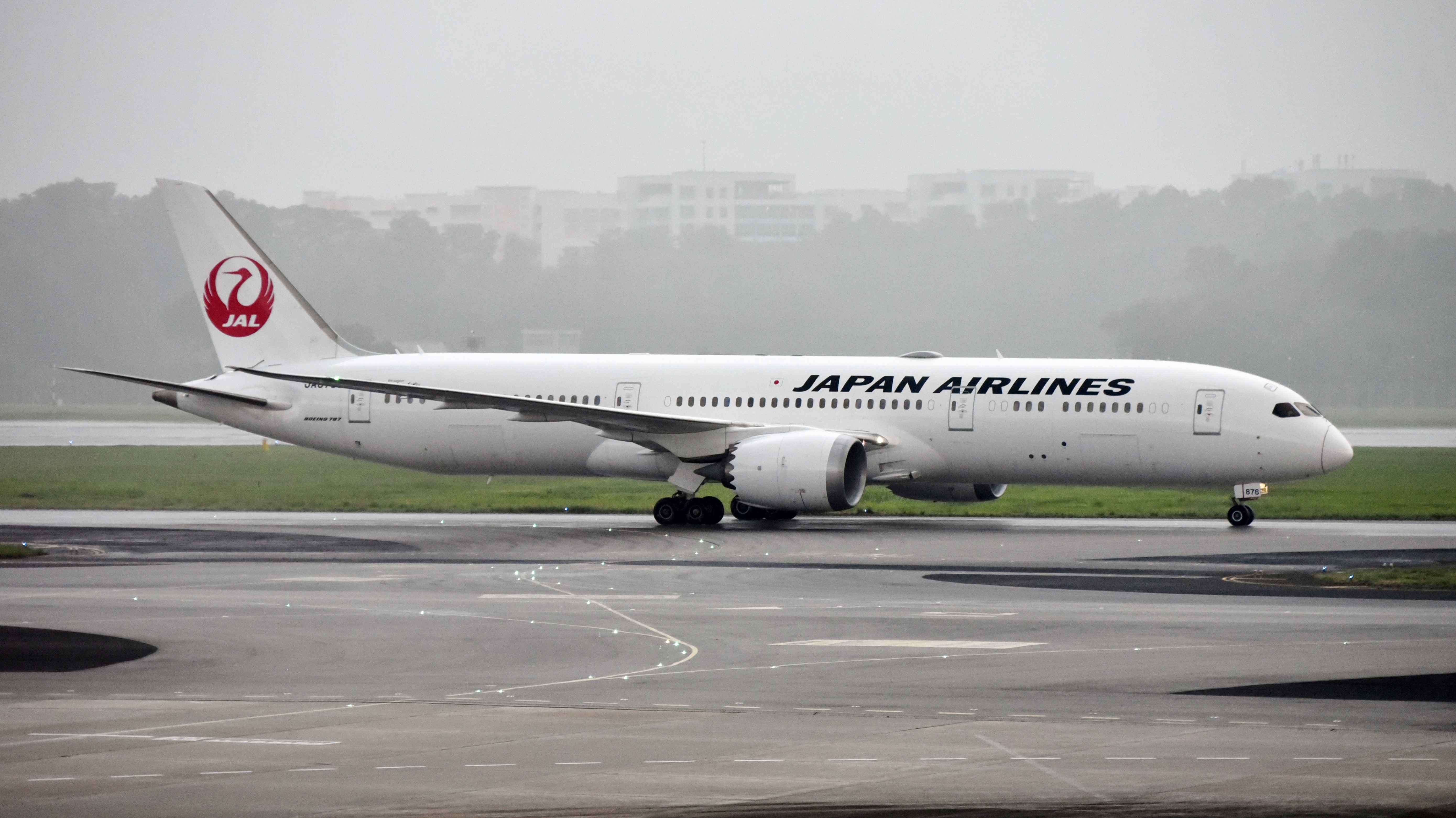
Japan Airlines has been awarded the title of the world’s best economy class seat for 2026 [1].
This recognition highlights a shift in aviation standards where comfort in the lowest fare class is becoming a primary competitive advantage for global carriers. As airlines face increasing pressure to improve the passenger experience, the design of economy seating directly impacts brand loyalty and customer satisfaction.
The award recognizes the superior comfort and design of the airline's economy class seats [2]. The seating is designed to provide an enhanced experience for passengers traveling on long-haul routes, a critical factor for carriers operating high-capacity aircraft.
One reporter who flew return through the airline's Hong Kong hub [2] said, "I was impressed with the seat’s design and comfort."
While Japan Airlines has taken the top spot, other carriers continue to market their cabins aggressively. Metro said that Cathay Pacific describes its economy cabin as the 'world's best', promising seats of 'unmatched comfort, delicious meal options, and an award-winning inflight entertainment system' [2].
Innovation in the cabin has also focused on specific ergonomic improvements. A travel editor from the Liverpool Echo said that a new 'game changing' headrest in economy could mean no need for neck pillows [3]. These small design changes aim to reduce the physical strain associated with economy travel.
The 2026 [1] designation places Japan Airlines at the forefront of the industry's effort to redefine the economy experience. By focusing on the physical architecture of the seat, the airline is attempting to bridge the gap between budget travel and luxury comfort.
“Japan Airlines has been awarded the title of the world’s best economy class seat for 2026.”
The recognition of Japan Airlines suggests that the industry is moving toward a 'premium economy' standard for all passengers. By innovating headrests and seat ergonomics, airlines are attempting to reduce the fatigue of long-haul travel, which may force other global carriers to upgrade their hardware to remain competitive in the 2026 market.


