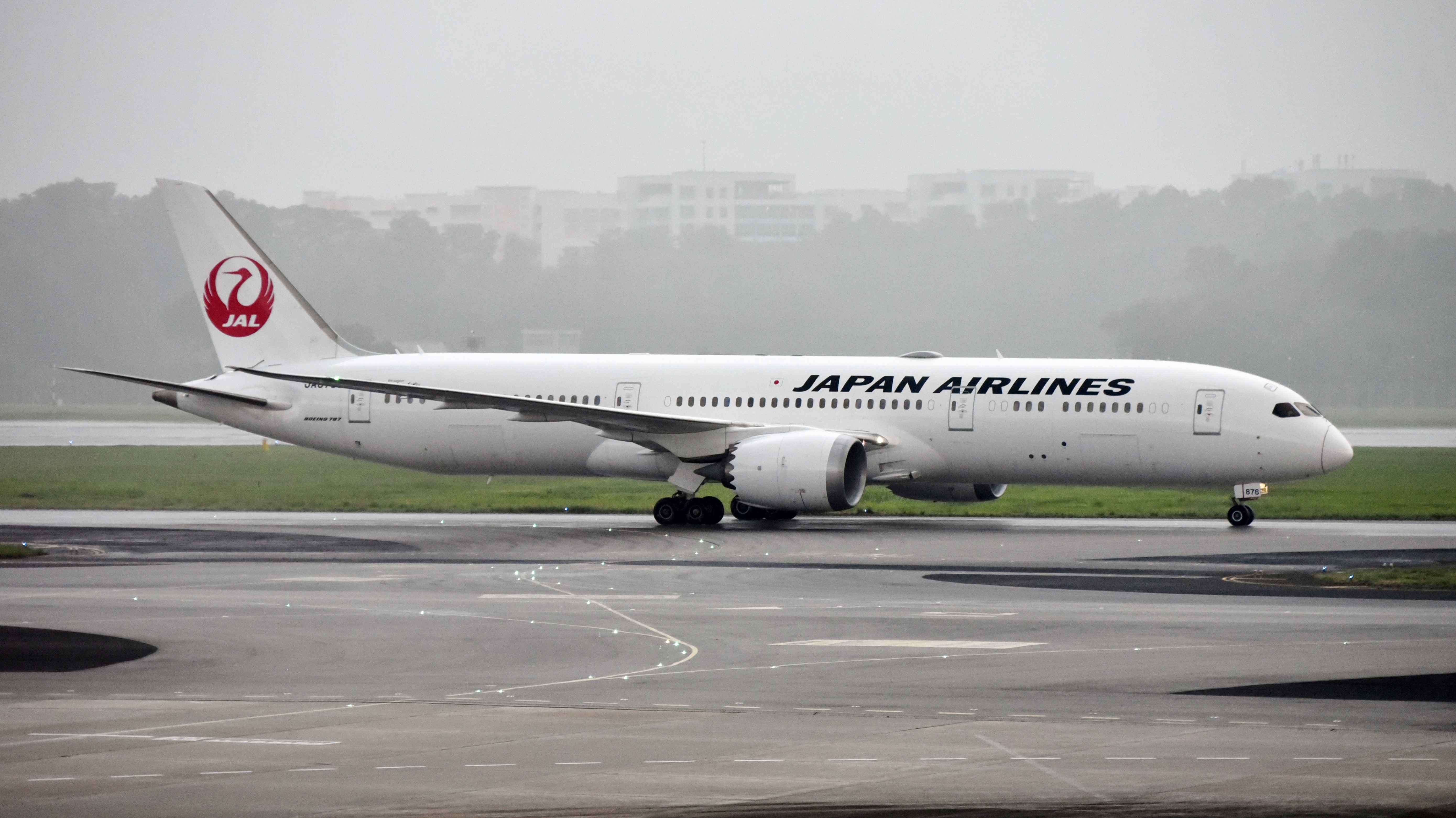
All Nippon Airways (ANA) and Japan Airlines (JAL) have implemented record-high fuel surcharges for tickets issued starting July 1 [1, 2].
This surge in costs threatens the viability of regional aviation in Japan, where smaller carriers lack the pricing power of international giants to offset volatile energy markets.
Fuel surcharges for round-trip flights have reached 130,000 yen [2], with one-way fees sitting at 65,000 yen [2]. This pricing shift follows a period of extreme volatility in energy markets during March and April of this year. Shunsuke Honda, president of Fuji Dream Airlines, said that during those months, oil prices rose to 220 dollars per barrel [1], which is nearly three times the planned cost of 75 dollars per barrel [1].
The financial strain is compounded by a historic depreciation of the Japanese currency. The yen has fallen to 162 yen per U.S. dollar [1], a rate that significantly increases the cost of dollar-denominated fuel purchases.
Regional carriers like Fuji Dream Airlines, which operates 29 routes [1], are particularly vulnerable to these fluctuations. While global aviation is projected to see a total net profit of 23 billion dollars this year [3], those gains are not evenly distributed across the industry.
The price spike is driven by ongoing conflict between the U.S. and Iran, which has destabilized Middle East oil production and pushed crude prices higher [1, 4]. For regional airlines operating essential domestic links, such as those serving Shizuoka Airport, the gap between operating costs and ticket revenue is widening [1, 2].
ANA and JAL representatives said the carriers set the record-high round-trip surcharge of 130,000 yen to manage these costs [2].
“3月、4月の途中では1バレル220ドルまで上がり、3倍近くなった。”
The intersection of geopolitical instability in the Middle East and extreme currency depreciation creates a double-edged crisis for Japanese aviation. While major carriers can pass costs to international travelers through surcharges, regional airlines serving domestic 'life-line' routes cannot easily raise fares without risking a collapse in passenger demand, potentially leading to route cancellations in rural areas.
'%2F%3E%0A%20%20%20%20%3Crect%20width%3D'1600'%20height%3D'900'%20fill%3D'url(%23v)'%2F%3E%0A%20%20%20%20%3Cg%20opacity%3D'0.08'%20fill%3D'%23ffffff'%3E%0A%20%20%20%20%20%20%3Ccircle%20cx%3D'1420'%20cy%3D'180'%20r%3D'220'%2F%3E%0A%20%20%20%20%20%20%3Ccircle%20cx%3D'1500'%20cy%3D'760'%20r%3D'120'%2F%3E%0A%20%20%20%20%3C%2Fg%3E%0A%20%20%20%20%3Cline%20x1%3D'80'%20y1%3D'172'%20x2%3D'220'%20y2%3D'172'%20stroke%3D'%23ffffff'%20stroke-width%3D'3'%20stroke-opacity%3D'0.6'%2F%3E%0A%20%20%20%20%3Ctext%20x%3D'80'%20y%3D'140'%20font-family%3D'Inter%2C%20-apple-system%2C%20Helvetica%2C%20sans-serif'%20font-weight%3D'700'%20font-size%3D'28'%20fill%3D'%23ffffff'%20letter-spacing%3D'6'%3EHANNA%20%C2%B7%20NEWS%3C%2Ftext%3E%0A%20%20%20%20%3Ctext%20x%3D'80'%20y%3D'230'%20font-family%3D'Inter%2C%20-apple-system%2C%20Helvetica%2C%20sans-serif'%20font-weight%3D'600'%20font-size%3D'40'%20fill%3D'%23ffffffb3'%20letter-spacing%3D'4'%3EWORLD%3C%2Ftext%3E%0A%20%20%20%20%3Ctext%20x%3D'80'%20y%3D'694'%20font-family%3D'Playfair%20Display%2C%20Georgia%2C%20serif'%20font-weight%3D'800'%20font-size%3D'110'%20fill%3D'%23ffffff'%20letter-spacing%3D'-1'%3EIndia%20and%20Qatar%20Discuss%3C%2Ftext%3E%3Ctext%20x%3D'80'%20y%3D'820'%20font-family%3D'Playfair%20Display%2C%20Georgia%2C%20serif'%20font-weight%3D'800'%20font-size%3D'110'%20fill%3D'%23ffffff'%20letter-spacing%3D'-1'%3EEnergy%20and%20Trade%20in%20Doha%3C%2Ftext%3E%0A%20%20%20%20%3Ctext%20x%3D'80'%20y%3D'870'%20font-family%3D'Inter%2C%20-apple-system%2C%20Helvetica%2C%20sans-serif'%20font-weight%3D'500'%20font-size%3D'22'%20fill%3D'%23ffffff66'%20letter-spacing%3D'2'%3Enews.hanna-ai.com%3C%2Ftext%3E%0A%20%20%3C%2Fsvg%3E)

