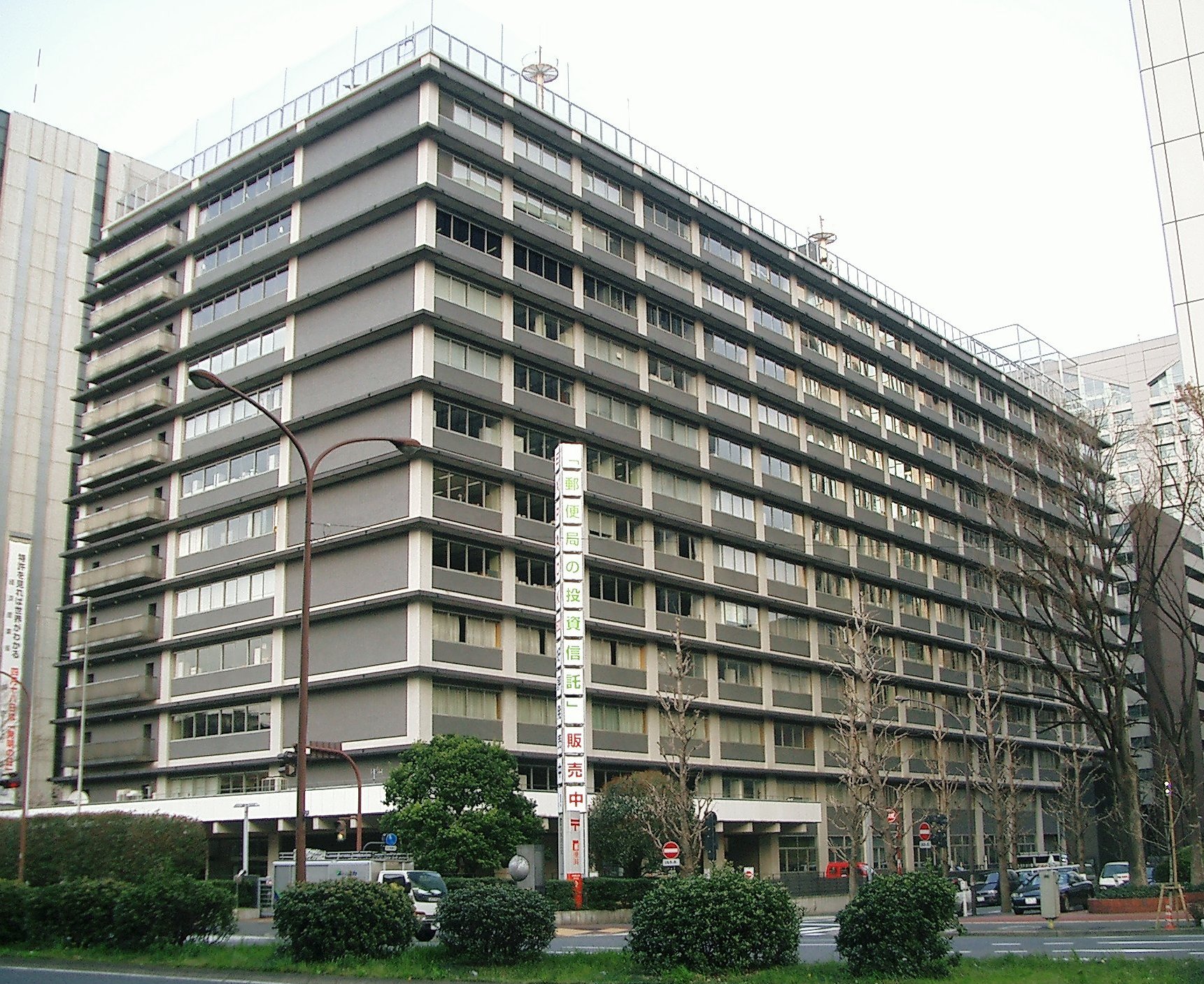
Japan's Ministry of Internal Affairs and Communications reported a modest increase in the Consumer Price Index for early 2024 [1].
This measure serves as an economic thermometer for the nation. Because the CPI tracks price changes for goods and services purchased by consumers, it allows officials to gauge the overall health of the Japanese economy [3].
Data for April 2024 in Tokyo's 23 wards showed the core CPI, which excludes fresh food, reached 111.7 [1]. This represents a year-on-year increase of 1.5% [1]. These figures highlight how regional price shifts in the capital often signal broader trends for the rest of the country.
Nationwide data from March 2024 showed a slightly higher trend. The core CPI excluding fresh food was 112.1 [2], marking a year-on-year increase of 1.8% [2]. The disparity between the Tokyo-specific April data and the nationwide March data reflects the varied timing of price adjustments across different prefectures.
Several external factors contributed to these rising costs. Higher oil prices and geopolitical tensions in the Middle East lifted fuel costs, a primary driver of the modest rise in the CPI [2, 5]. These global pressures filtered through to Japanese consumers via energy and transport costs.
Economists monitor these percentages to determine if inflation is becoming sustainable or remains volatile. The current figures suggest a period of gradual price growth rather than a sharp spike.
“The CPI serves as an "economic thermometer" to gauge Japan's economic health.”
The modest rise in the CPI indicates that Japan is experiencing inflationary pressure driven largely by external commodity shocks rather than internal demand. While the increases are small, they signal a departure from the long-term deflationary environment that characterized the Japanese economy for decades.