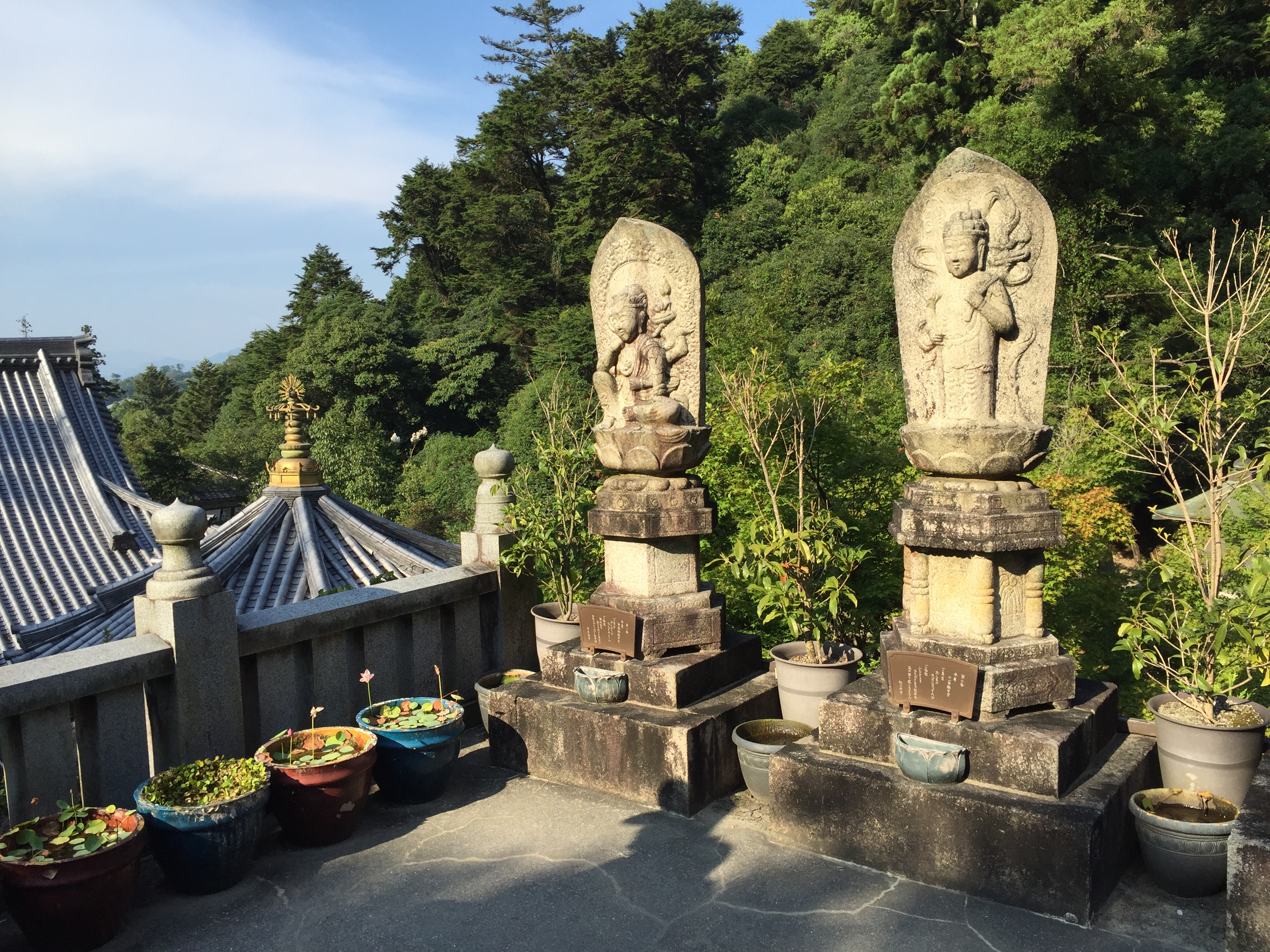
A fire gutted part of Daishoin Temple on Miyajima Island on Wednesday morning, destroying the hall that housed an eternal flame [1].
The loss of the site is significant due to the flame's status as a spiritual landmark believed to have burned continuously for centuries [1].
The blaze occurred on May 21, 2026 [2], at the Buddhist temple located in Hatsukaichi, Hiroshima Prefecture, in western Japan [1]. Local reports said the fire focused on the specific building designed to protect the sacred flame [2].
There are varying reports regarding the exact age of the flame. One source said the flame had been continuously lit for over 1,200 years [1], while another report said it had burned for more than 1,000 years [3]. This discrepancy reflects the ancient nature of the site's traditions, which often rely on historical records and oral tradition.
Emergency responders worked to contain the fire on the island, but the structural damage to the hall was extensive [2]. The cause of the fire has not been disclosed by authorities, and investigations into the origin of the blaze are ongoing [1].
Daishoin Temple is one of the most prominent religious sites on Miyajima Island, drawing numerous visitors and practitioners to its grounds. The destruction of the hall marks a rare loss of a physical structure tied to such a long-standing continuous ritual [1].
“A fire gutted part of Daishoin Temple on Miyajima Island”
The destruction of the eternal flame's housing represents a significant cultural and spiritual loss for the Buddhist community in Hiroshima. Because the flame was a symbol of continuity and endurance over a millennium, its extinction or the loss of its sanctuary may prompt discussions on the preservation of ancient wooden structures in Japan and the possibility of ritualistically relighting the flame.


