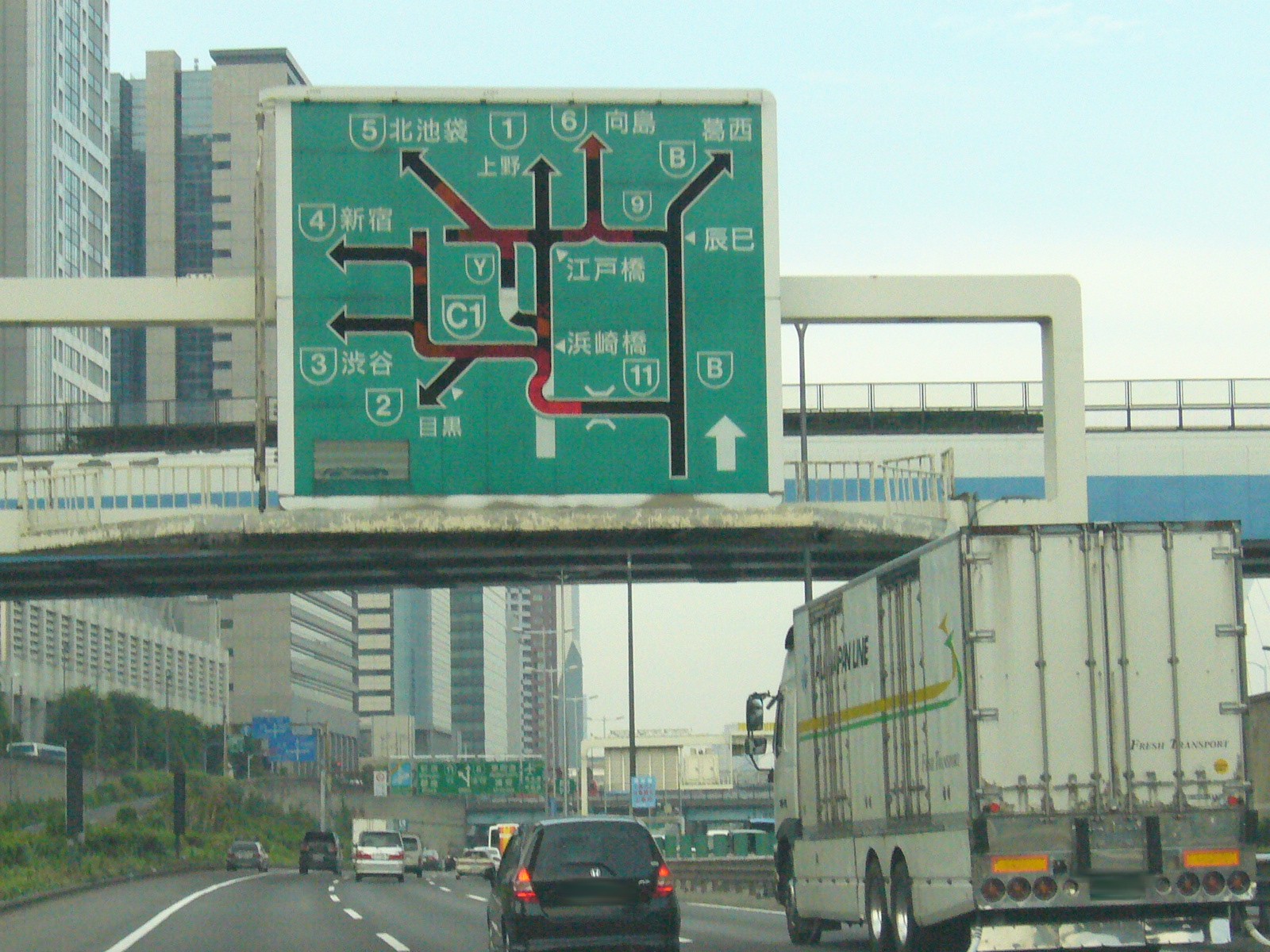
Japanese traffic authorities forecast severe congestion on several major expressways this Monday, May 4, 2026, with some jams reaching 30 km [1].
The predictions come as the country enters the final days of Golden Week, one of Japan's busiest annual travel periods. The surge in motorists returning home or traveling between cities typically creates significant bottlenecks on the nation's highway network.
NEXCO East Japan and the Japan Road Traffic Information Center identified several high-risk zones for the afternoon and evening hours. The most severe delays are expected on the upward, or northbound, lanes of the Central Expressway near the Kobutsu Tunnel [1].
Additional congestion is predicted on the Kan-etsu Expressway near the Sakado-West Smart Interchange, and the Tohoku Expressway near the Hanyu Parking Area [1]. Authorities said upward-direction congestion near the Hanyu Parking Area is expected to reach 25 km [1].
While the focus remains on northbound traffic, downward lanes are not entirely clear. Officials said maximum downward-direction congestion of 20 km is forecast near the Ayase Smart Interchange on the Tomei Expressway [1].
Early reports from Monday morning indicated a quiet start to the day. No notable congestion was observed at 5 a.m. on May 4 [1]. However, the volume is expected to increase sharply as the afternoon progresses.
Travelers are advised to monitor real-time updates from NEXCO East Japan to avoid the most congested segments of the highway system.
“jams up to 30 km in length”
The predicted gridlock reflects the systemic strain Golden Week places on Japan's transport infrastructure. Because the holiday involves a concentrated burst of domestic migration, the 'upward' lanes—typically those leading toward major urban hubs or specific regional centers—become critical failure points that can delay logistics and commuter travel for several days.


