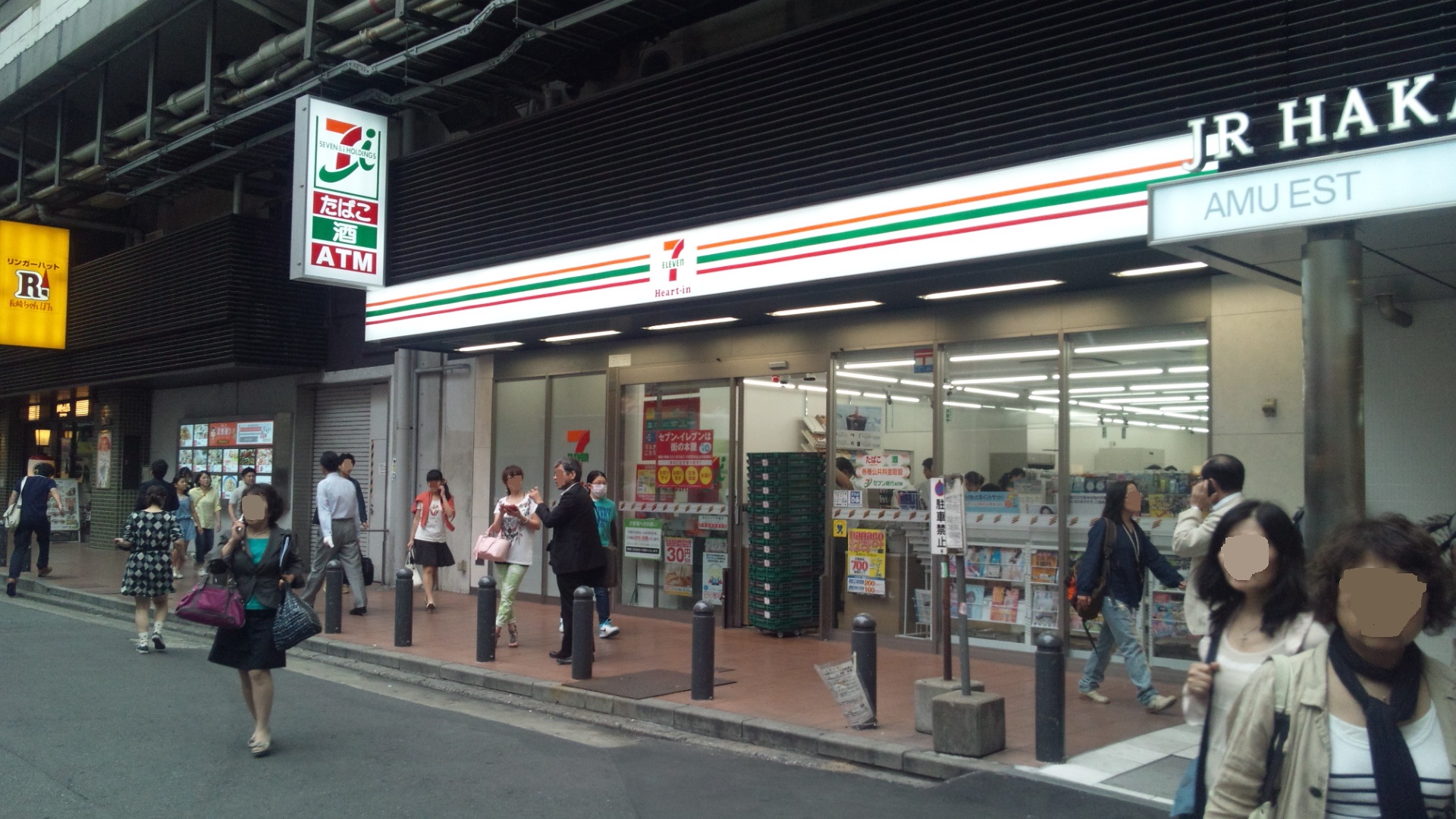
Japan's Golden Week holiday period reached its peak U-turn rush on May 5, causing heavy congestion at major transit hubs [2].
This surge represents the final phase of one of Japan's most significant annual travel windows, where millions of citizens move across the country to visit family and vacation. The resulting pressure on the rail network tests the capacity of the national infrastructure during high-demand periods.
At JR Hakata Station in Fukuoka, crowds of travelers, students, and families filled the terminals as they prepared to return to their residences [1]. The Tokaido and Sanyo Shinkansen lines experienced extreme demand, with the "Nozomi" service reporting a seat occupancy rate of nearly 100 percent [1, 3]. To manage the volume of passengers, all seats on the Nozomi trains were operated as designated reservations during the holiday [3].
This year's travel window was particularly extensive, with Golden Week reaching a maximum of 12 consecutive holidays [1]. This extended break encouraged longer trips and more frequent travel between distant prefectures.
Passengers expressed a mix of exhaustion and emotional relief during the transit rush. One individual seeing off their son said, "I was relieved to see a healthy face."
Another traveler, seeing off a grandchild, said, "It was just so much fun. I might start feeling the fatigue now."
A student returning from a home visit noted the comfort of returning to a familiar environment after a month of experiencing new things in an unfamiliar land, said the student [1].
“The "Nozomi" service reporting a seat occupancy rate of nearly 100 percent.”
The 12-day holiday stretch indicates a significant expansion of the traditional Golden Week window, placing unprecedented strain on the Shinkansen network. By moving to a 100 percent reserved-seat model for the Nozomi service, JR Group is prioritizing crowd control and predictable boarding over the flexibility of non-reserved seating to prevent station gridlock.
'%2F%3E%0A%20%20%20%20%3Crect%20width%3D'1600'%20height%3D'900'%20fill%3D'url(%23v)'%2F%3E%0A%20%20%20%20%3Cg%20opacity%3D'0.08'%20fill%3D'%23ffffff'%3E%0A%20%20%20%20%20%20%3Ccircle%20cx%3D'1420'%20cy%3D'180'%20r%3D'220'%2F%3E%0A%20%20%20%20%20%20%3Ccircle%20cx%3D'1500'%20cy%3D'760'%20r%3D'120'%2F%3E%0A%20%20%20%20%3C%2Fg%3E%0A%20%20%20%20%3Cline%20x1%3D'80'%20y1%3D'172'%20x2%3D'220'%20y2%3D'172'%20stroke%3D'%23ffffff'%20stroke-width%3D'3'%20stroke-opacity%3D'0.6'%2F%3E%0A%20%20%20%20%3Ctext%20x%3D'80'%20y%3D'140'%20font-family%3D'Inter%2C%20-apple-system%2C%20Helvetica%2C%20sans-serif'%20font-weight%3D'700'%20font-size%3D'28'%20fill%3D'%23ffffff'%20letter-spacing%3D'6'%3EHANNA%20%C2%B7%20NEWS%3C%2Ftext%3E%0A%20%20%20%20%3Ctext%20x%3D'80'%20y%3D'230'%20font-family%3D'Inter%2C%20-apple-system%2C%20Helvetica%2C%20sans-serif'%20font-weight%3D'600'%20font-size%3D'40'%20fill%3D'%23ffffffb3'%20letter-spacing%3D'4'%3EWORLD%3C%2Ftext%3E%0A%20%20%20%20%3Ctext%20x%3D'80'%20y%3D'622'%20font-family%3D'Playfair%20Display%2C%20Georgia%2C%20serif'%20font-weight%3D'800'%20font-size%3D'86'%20fill%3D'%23ffffff'%20letter-spacing%3D'-1'%3EBus%20Collision%20on%3C%2Ftext%3E%3Ctext%20x%3D'80'%20y%3D'721'%20font-family%3D'Playfair%20Display%2C%20Georgia%2C%20serif'%20font-weight%3D'800'%20font-size%3D'86'%20fill%3D'%23ffffff'%20letter-spacing%3D'-1'%3EDelhi-Mumbai%20Expressway%3C%2Ftext%3E%3Ctext%20x%3D'80'%20y%3D'820'%20font-family%3D'Playfair%20Display%2C%20Georgia%2C%20serif'%20font-weight%3D'800'%20font-size%3D'86'%20fill%3D'%23ffffff'%20letter-spacing%3D'-1'%3ELeaves%20Up%20to%208%20Dead%3C%2Ftext%3E%0A%20%20%20%20%3Ctext%20x%3D'80'%20y%3D'870'%20font-family%3D'Inter%2C%20-apple-system%2C%20Helvetica%2C%20sans-serif'%20font-weight%3D'500'%20font-size%3D'22'%20fill%3D'%23ffffff66'%20letter-spacing%3D'2'%3Enews.hanna-ai.com%3C%2Ftext%3E%0A%20%20%3C%2Fsvg%3E)

