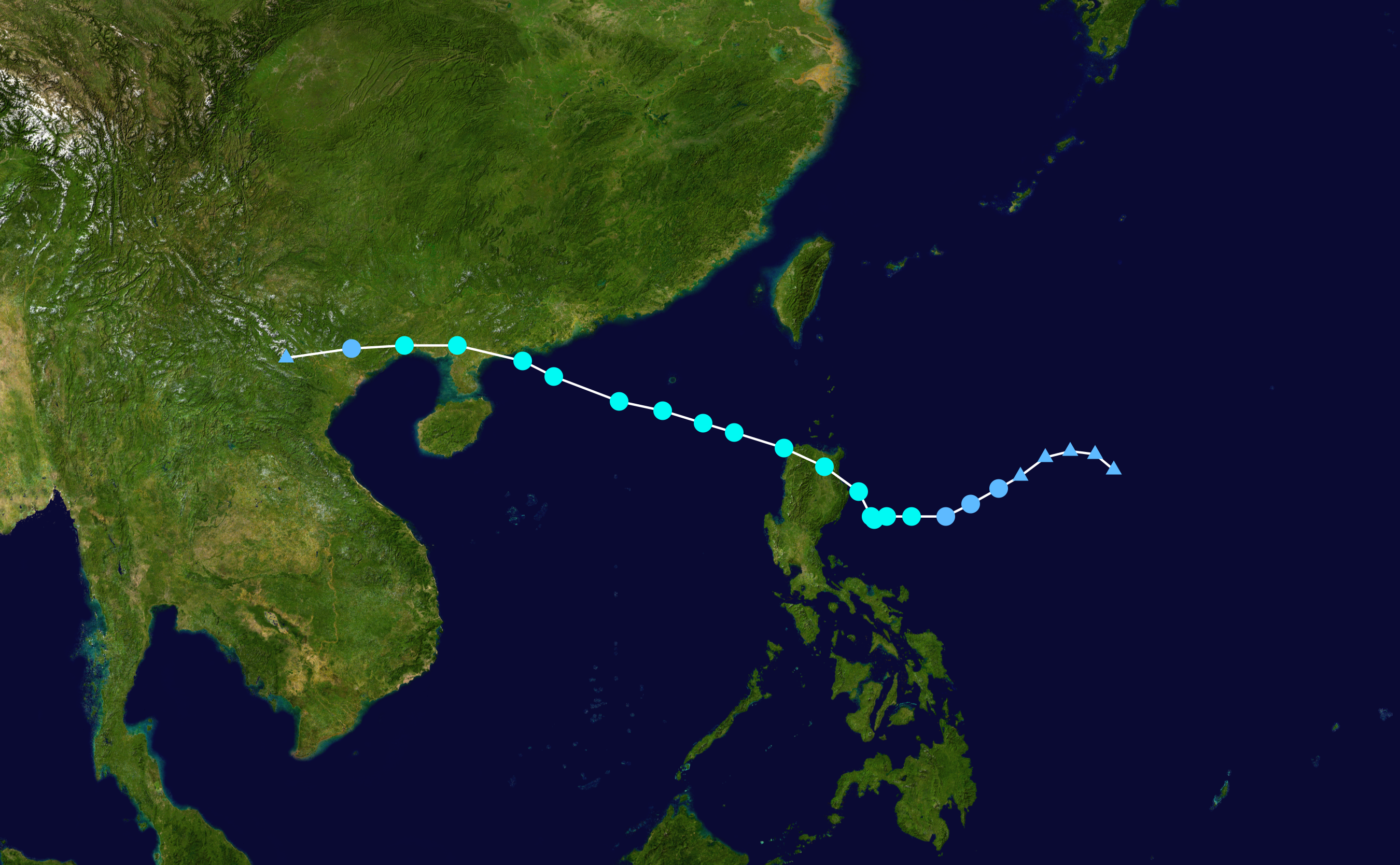
Japan experienced a sudden surge in temperatures across the country on May 10, 2026, as the rainy season ended [1].
This simultaneous arrival of extreme heat and a powerful tropical storm creates a dual crisis for national infrastructure and public health. The rapid transition to summer temperatures increases the risk of heatstroke, while the storm threatens critical coastal regions.
Weather authorities reported that 544 locations nationwide recorded "midsummer days" with temperatures of 30 degrees Celsius or higher [2]. This figure represents the highest number of such locations observed so far this year [2]. Officials said the spike was caused by the influence of high-pressure systems that pushed temperatures upward immediately after the rainy season concluded [2].
While the mainland grapples with heat, the southern islands face a different threat. Typhoon 9 approached Ishigaki Island in Okinawa on Saturday [1]. Meteorological reports indicated that the storm maintained significant strength as it neared the coast [2]. Authorities said the storm could produce winds strong enough to cause buildings to collapse [1].
The weather system has already disrupted regional travel. More than 160 domestic flights to and from Okinawa were canceled on May 10 [3]. Airline operators said the cancellations were necessary due to the severity of the expected wind and rain [3].
Residents in the affected areas are being urged to secure outdoor objects and seek shelter in reinforced structures. The combination of the record-setting heatwave and the approach of Typhoon 9 has put emergency services on high alert across the archipelago [1].
“544 locations nationwide recorded "midsummer days" with temperatures of 30 degrees Celsius or higher”
The convergence of a record-breaking early heatwave and a high-intensity typhoon suggests an increasingly volatile start to the 2026 storm season. The scale of the temperature spike—affecting over 500 locations simultaneously—indicates a significant atmospheric shift that may lead to higher energy demands for cooling and increased pressure on the healthcare system before the traditional peak of summer.

'%2F%3E%0A%20%20%20%20%3Crect%20width%3D'1600'%20height%3D'900'%20fill%3D'url(%23v)'%2F%3E%0A%20%20%20%20%3Cg%20opacity%3D'0.08'%20fill%3D'%23ffffff'%3E%0A%20%20%20%20%20%20%3Ccircle%20cx%3D'1420'%20cy%3D'180'%20r%3D'220'%2F%3E%0A%20%20%20%20%20%20%3Ccircle%20cx%3D'1500'%20cy%3D'760'%20r%3D'120'%2F%3E%0A%20%20%20%20%3C%2Fg%3E%0A%20%20%20%20%3Cline%20x1%3D'80'%20y1%3D'172'%20x2%3D'220'%20y2%3D'172'%20stroke%3D'%23ffffff'%20stroke-width%3D'3'%20stroke-opacity%3D'0.6'%2F%3E%0A%20%20%20%20%3Ctext%20x%3D'80'%20y%3D'140'%20font-family%3D'Inter%2C%20-apple-system%2C%20Helvetica%2C%20sans-serif'%20font-weight%3D'700'%20font-size%3D'28'%20fill%3D'%23ffffff'%20letter-spacing%3D'6'%3EHANNA%20%C2%B7%20NEWS%3C%2Ftext%3E%0A%20%20%20%20%3Ctext%20x%3D'80'%20y%3D'230'%20font-family%3D'Inter%2C%20-apple-system%2C%20Helvetica%2C%20sans-serif'%20font-weight%3D'600'%20font-size%3D'40'%20fill%3D'%23ffffffb3'%20letter-spacing%3D'4'%3EWORLD%3C%2Ftext%3E%0A%20%20%20%20%3Ctext%20x%3D'80'%20y%3D'622'%20font-family%3D'Playfair%20Display%2C%20Georgia%2C%20serif'%20font-weight%3D'800'%20font-size%3D'86'%20fill%3D'%23ffffff'%20letter-spacing%3D'-1'%3EDog%20Rescued%20After%2012%20Days%3C%2Ftext%3E%3Ctext%20x%3D'80'%20y%3D'721'%20font-family%3D'Playfair%20Display%2C%20Georgia%2C%20serif'%20font-weight%3D'800'%20font-size%3D'86'%20fill%3D'%23ffffff'%20letter-spacing%3D'-1'%3EUnder%20Venezuelan%20Earthquake%3C%2Ftext%3E%3Ctext%20x%3D'80'%20y%3D'820'%20font-family%3D'Playfair%20Display%2C%20Georgia%2C%20serif'%20font-weight%3D'800'%20font-size%3D'86'%20fill%3D'%23ffffff'%20letter-spacing%3D'-1'%3ERubble%3C%2Ftext%3E%0A%20%20%20%20%3Ctext%20x%3D'80'%20y%3D'870'%20font-family%3D'Inter%2C%20-apple-system%2C%20Helvetica%2C%20sans-serif'%20font-weight%3D'500'%20font-size%3D'22'%20fill%3D'%23ffffff66'%20letter-spacing%3D'2'%3Enews.hanna-ai.com%3C%2Ftext%3E%0A%20%20%3C%2Fsvg%3E)
