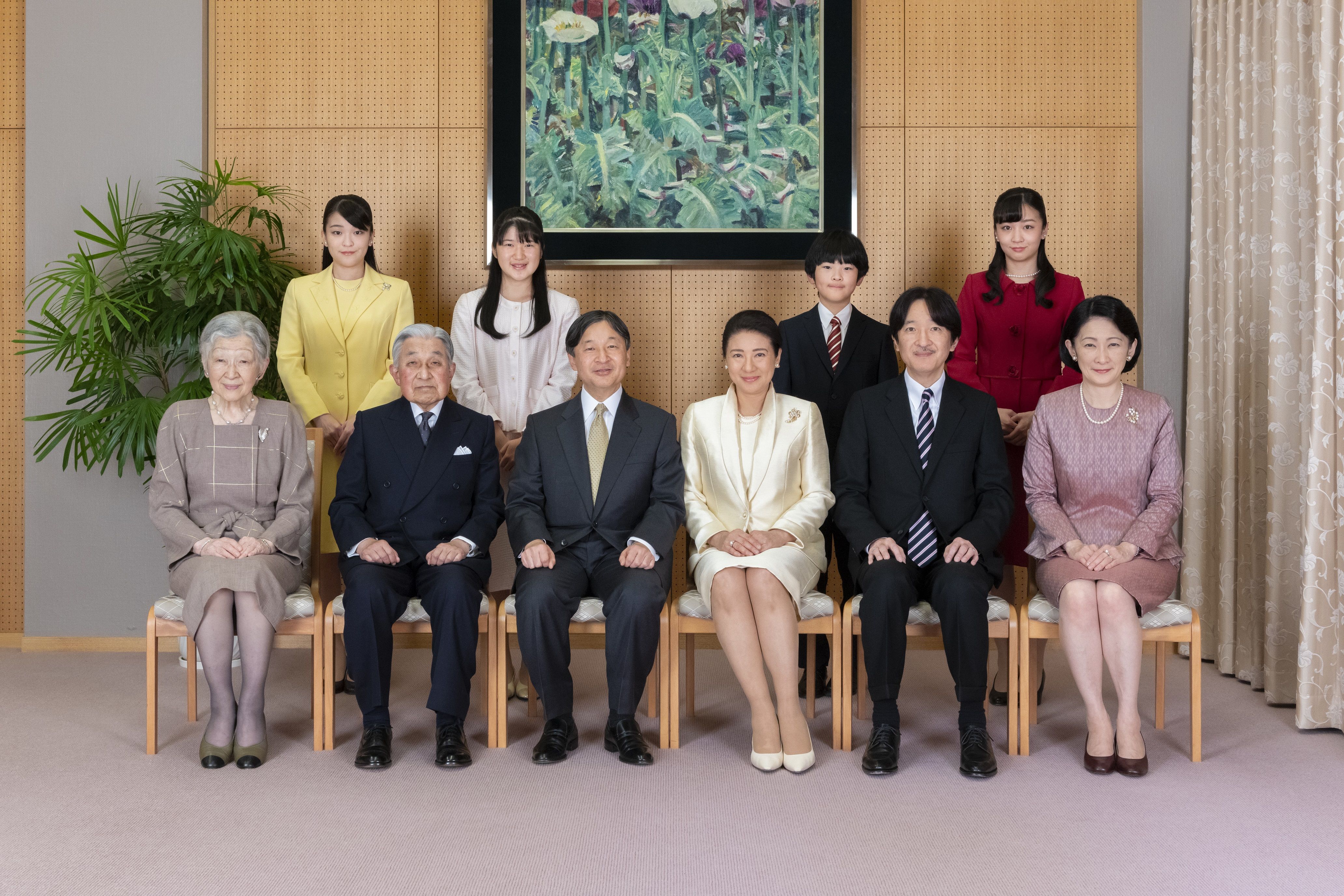
Japan's imperial family is considering legal revisions that could allow princesses to either leave their royal roles or continue their duties [1].
These potential changes address a long-standing tension between traditional succession laws and the personal autonomy of women within the monarchy. Because current laws strictly dictate the status of female royals, any shift in legal framework would represent a fundamental change in how the imperial house operates.
The proposal comes after decades of discussion regarding the future of women in the imperial family [1]. Under the current system, princesses often face rigid expectations and limited choices regarding their private lives and professional futures. The proposed revisions seek to provide a legal mechanism for princesses to decide their own path, whether that involves a life of public service or a transition to private citizenship.
Government officials and members of the imperial household are reviewing how such a transition would be managed. The focus remains on balancing the stability of the throne with the modern needs of the individuals who serve it [1].
While the specific details of the legal language have not been finalized, the move signals a willingness to adapt the monarchy to contemporary social standards. The discussions reflect a broader effort to ensure the imperial family remains sustainable as its membership fluctuates over time [1].
“Japan's imperial family is considering legal revisions that could allow princesses to either leave their royal roles or continue their duties.”
This shift suggests a gradual modernization of the Japanese monarchy. By granting princesses more agency over their royal status, the government may be attempting to reduce the attrition of family members and address public concerns regarding the restrictive nature of imperial laws for women.


