
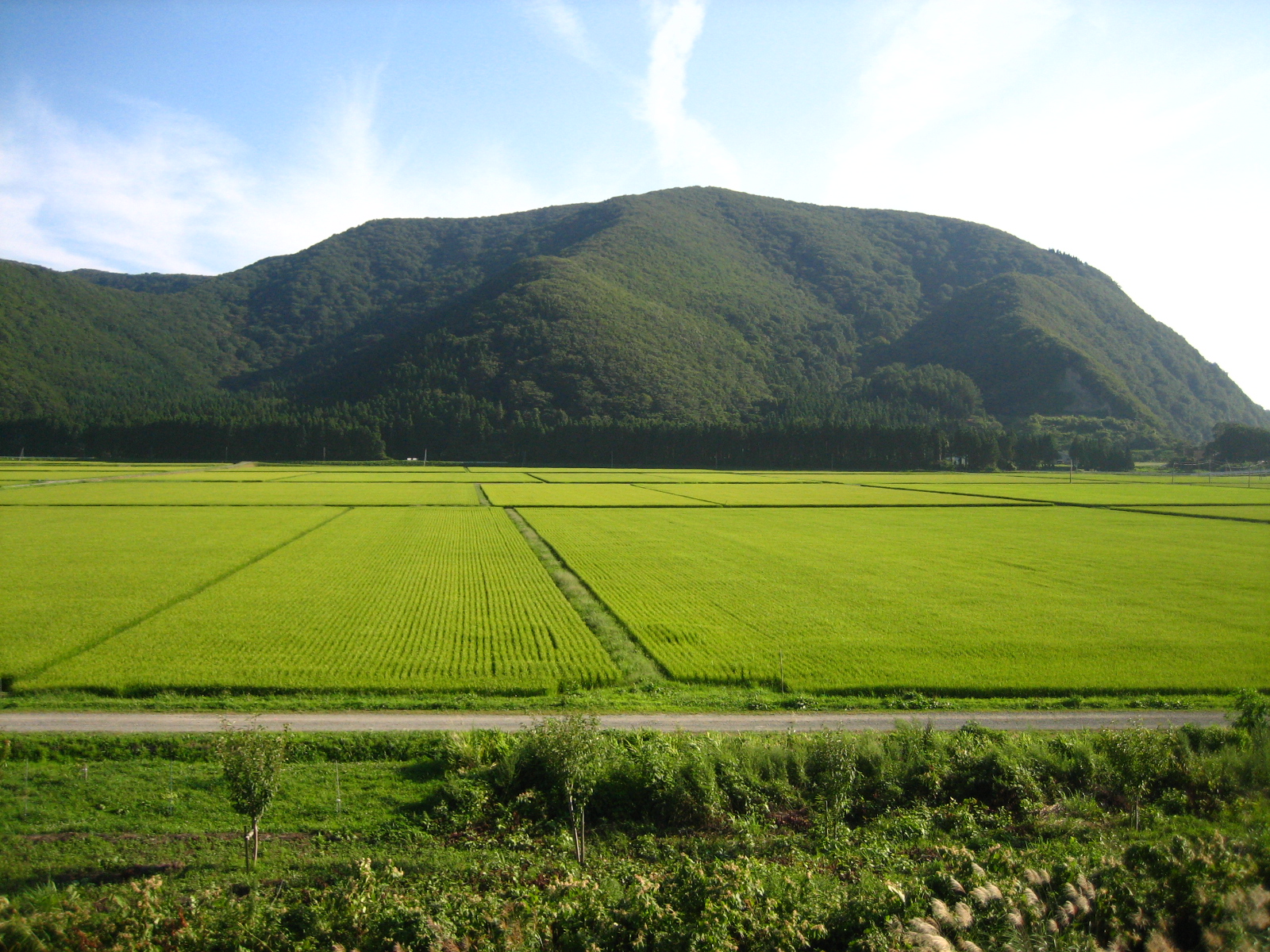
Farmer Yohei Teranuma is testing a "regenerative triple-cropping" technique on Ishigaki Island to harvest rice three times from one planting [1].
This initiative seeks to create a more sustainable agricultural model that reduces costs and increases food security. By leveraging the warm climate of Okinawa, the project aims to address rice shortages and the rising cost of grains in Japan [1, 2].
Teranuma, 45, manages rice farms in both Ishigaki Island and Mito City in Ibaraki Prefecture [1, 2]. To establish the current trial, he conducted planting across approximately three hectares of land [1]. The process involves a seedling preparation period that lasts about one month [1].
Maintaining operations across two distant regions requires significant travel. Teranuma said he has made approximately 10 round trips between Mito and Ishigaki Island [1].
"I will finish today. Absolutely," Teranuma said, noting that if he did not finish his work in Mito, he would be unable to travel to Ishigaki Island [1].
While traditional multi-cropping exists in other regions, Teranuma's specific approach focuses on regeneration. Some reports have noted a growing interest in "regenerative double-cropping," where rice is harvested twice from one planting [3], but Teranuma's current goal is to push that efficiency to a third harvest [1].
This method focuses on the plant's ability to regrow after the initial harvest, reducing the labor and resources required for repeated planting cycles. By maximizing the output of a single planting session, the farmer hopes to prove that high-yield, low-cost rice production is possible in Japan's subtropical zones [1, 2].
“"I will finish today. Absolutely"”
The success of regenerative triple-cropping could shift Japan's agricultural strategy toward subtropical regions to stabilize the national rice supply. If proven viable, this model reduces the carbon footprint and labor costs associated with repeated planting, offering a scalable solution to food inflation and climate-driven crop volatility.


