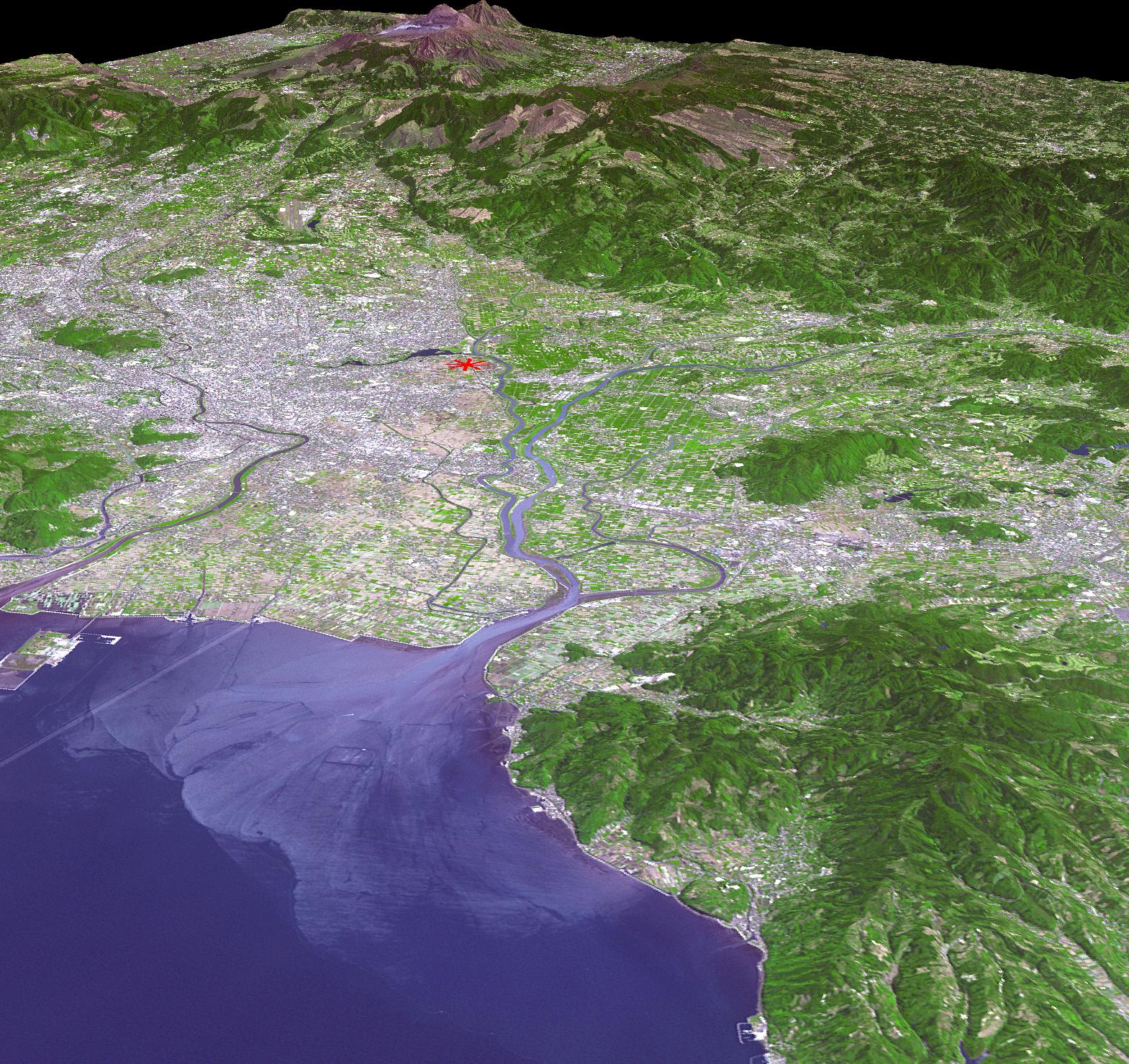
A magnitude-7.1 earthquake struck the Kumamoto prefecture in southern Japan, causing a shopping center floor to collapse [1].
This disaster highlights the ongoing vulnerability of commercial infrastructure to high-magnitude seismic events, even in regions with strict building codes. The collapse of a public space during a quake increases the risk of mass casualties and complicates rescue efforts.
Japanese authorities and emergency response teams are currently searching for victims at the site of the structural failure [1]. The seismic event triggered a collapse in a shopping center, which has left dozens of people missing [2]. Rescue crews are working to locate those trapped under the debris as they assess the stability of the remaining structure [1].
The human toll of the event is significant. More than 50 injured people have been hospitalized following the quake [2]. Emergency services have prioritized the evacuation of the affected area to prevent further injuries from potential aftershocks.
Kumamoto has a history of seismic activity, but the scale of this magnitude-7.1 event has caused severe localized damage [1]. The collapse of the shopping center floor is the most critical point of failure reported so far. Local officials said the search and rescue operations will continue until all missing persons are accounted for [2].
Authorities are coordinating with structural engineers to determine why the floor failed during the tremor. The focus remains on the recovery of the dozens of individuals still missing from the shopping center [2].
“A magnitude-7.1 earthquake struck the Kumamoto prefecture in southern Japan”
The collapse of a shopping center floor during a 7.1 magnitude quake suggests a critical failure in structural resilience. Because Japan is a global leader in seismic engineering, this incident may prompt a wider review of commercial building safety standards in the Kumamoto region and beyond to prevent similar tragedies during future tremors.