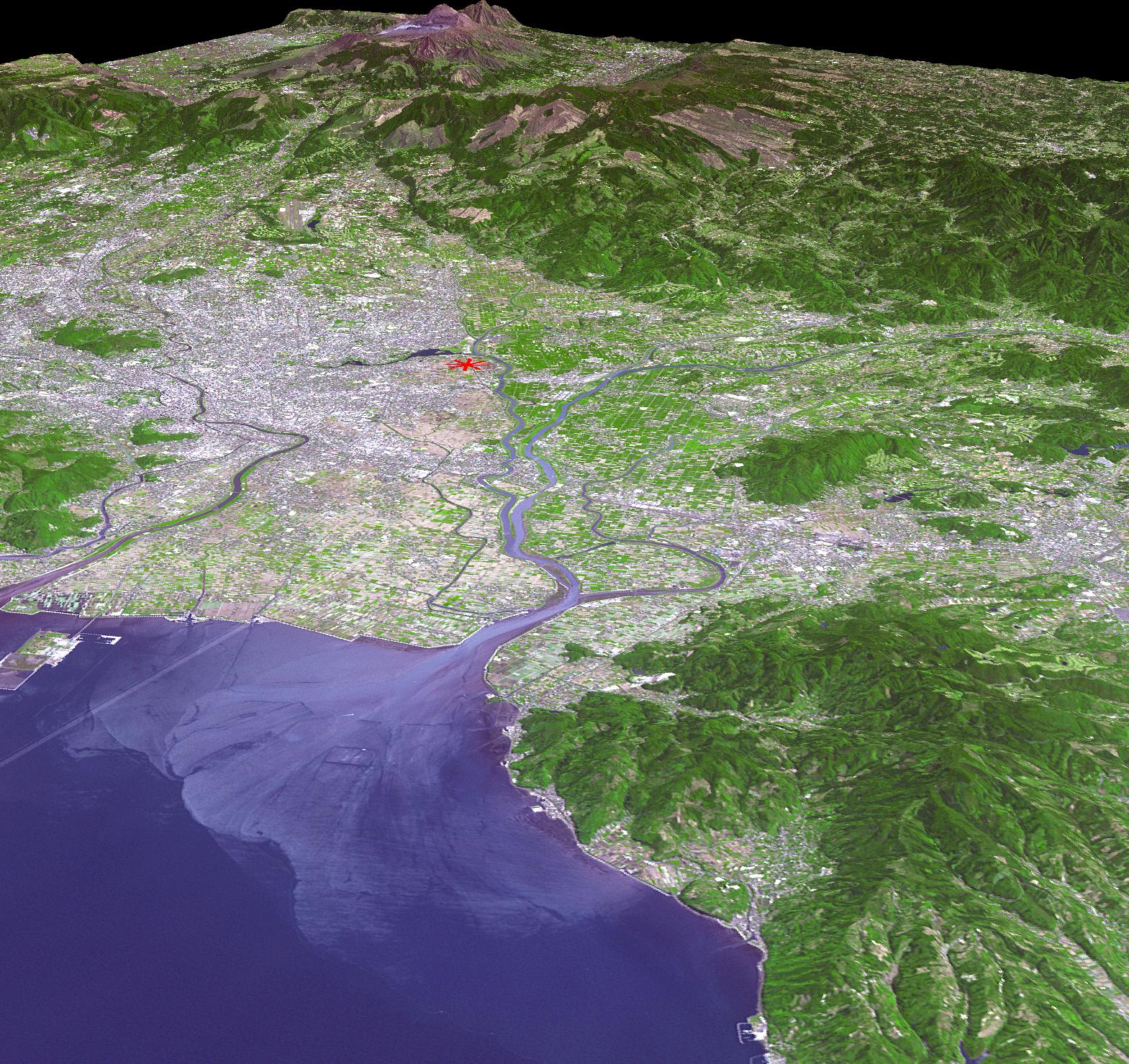
Rescue teams in Japan are searching for survivors after a magnitude-7.1 earthquake [1] killed at least 13 people [1] near Kumamoto.
The disaster highlights the persistent vulnerability of urban infrastructure to high-magnitude seismic events, even in regions with strict building codes.
The earthquake struck in early January 2024, triggering widespread building collapses and a subsequent explosion [1]. This blast occurred about one hour after the initial tremors [1], causing a shopping center to partially collapse.
Emergency crews have focused efforts on the damaged shopping center, where they successfully rescued eight people [1]. Among those pulled from the rubble were two women in their 20s [1]. Rescue operations are ongoing as teams sift through the debris to locate additional missing persons.
While some reports have suggested dozens of fatalities, official counts currently confirm at least 13 deaths [1]. The scale of the destruction has hampered some rescue efforts, requiring specialized equipment to navigate the unstable ruins of the shopping complex.
Local authorities continue to monitor the region for aftershocks that could further destabilize damaged structures. The focus remains on the recovery of victims and the stabilization of the affected urban areas near the city of Kumamoto [1].
“A magnitude-7.1 earthquake killed at least 13 people near Kumamoto.”
The delayed explosion following the initial quake suggests that seismic activity can trigger secondary industrial or gas-related disasters, complicating immediate rescue efforts and increasing the casualty rate beyond the initial structural collapses.


