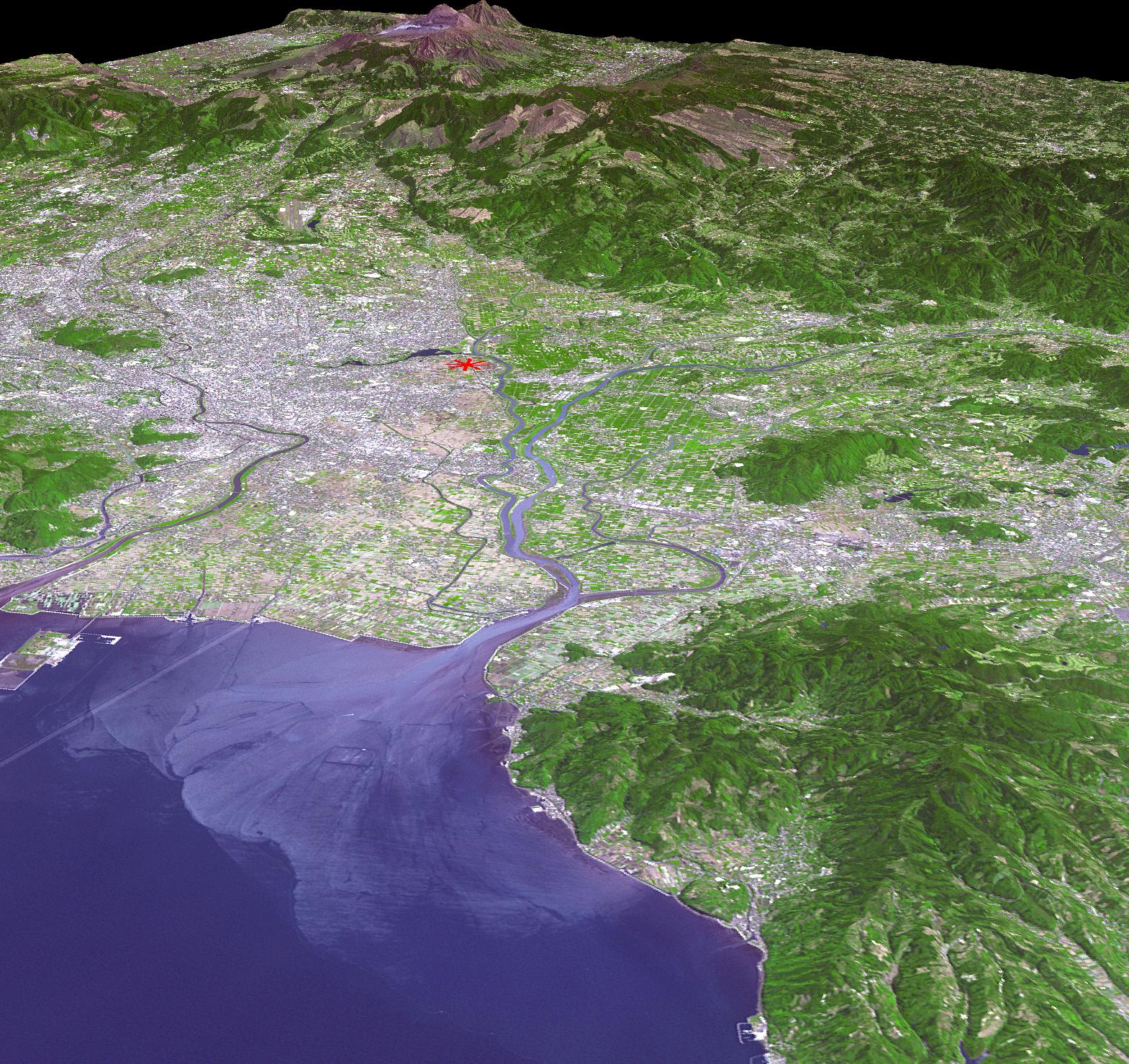
Many people remain trapped inside a shopping centre in Kumamoto city on Kyushu island after a powerful earthquake caused a partial collapse Tuesday [1, 2].
The incident highlights the ongoing vulnerability of urban infrastructure to seismic activity in Japan, a region where high-density shopping hubs often become hazardous during structural failures.
The earthquake struck at 16:27 local time (07:27 GMT) [1]. While reports on the magnitude vary, sources indicate the quake measured between 6.8 [5] and 7.1 [1]. The tremor caused severe structural damage, leading to the partial collapse of the shopping centre [1, 2]. Some reports indicate the collapse may have followed an explosion [1, 3].
Emergency services are currently working to reach those trapped within the debris [1]. The scale of the casualties is still being determined, though reports indicate at least 50 [5] or dozens [3] of people have been injured.
Kumamoto city has faced significant seismic risks in the past, and the sudden collapse of a commercial building during peak afternoon hours has complicated rescue efforts. First responders are prioritizing the extraction of survivors from the ruins of the mall [1, 2].
Authorities have not yet confirmed the total number of missing persons or the exact cause of the structural failure beyond the initial seismic impact [1, 3]. The regional fire service is leading the operation to secure the site and prevent further collapses of the remaining structure [1].
“Many people remain trapped inside a shopping centre in Kumamoto city”
This event underscores the critical intersection of seismic risk and urban density. When a major commercial hub collapses, it creates a complex rescue environment where structural instability hinders the ability of emergency services to reach victims quickly, potentially increasing the casualty rate despite Japan's advanced building codes.


