
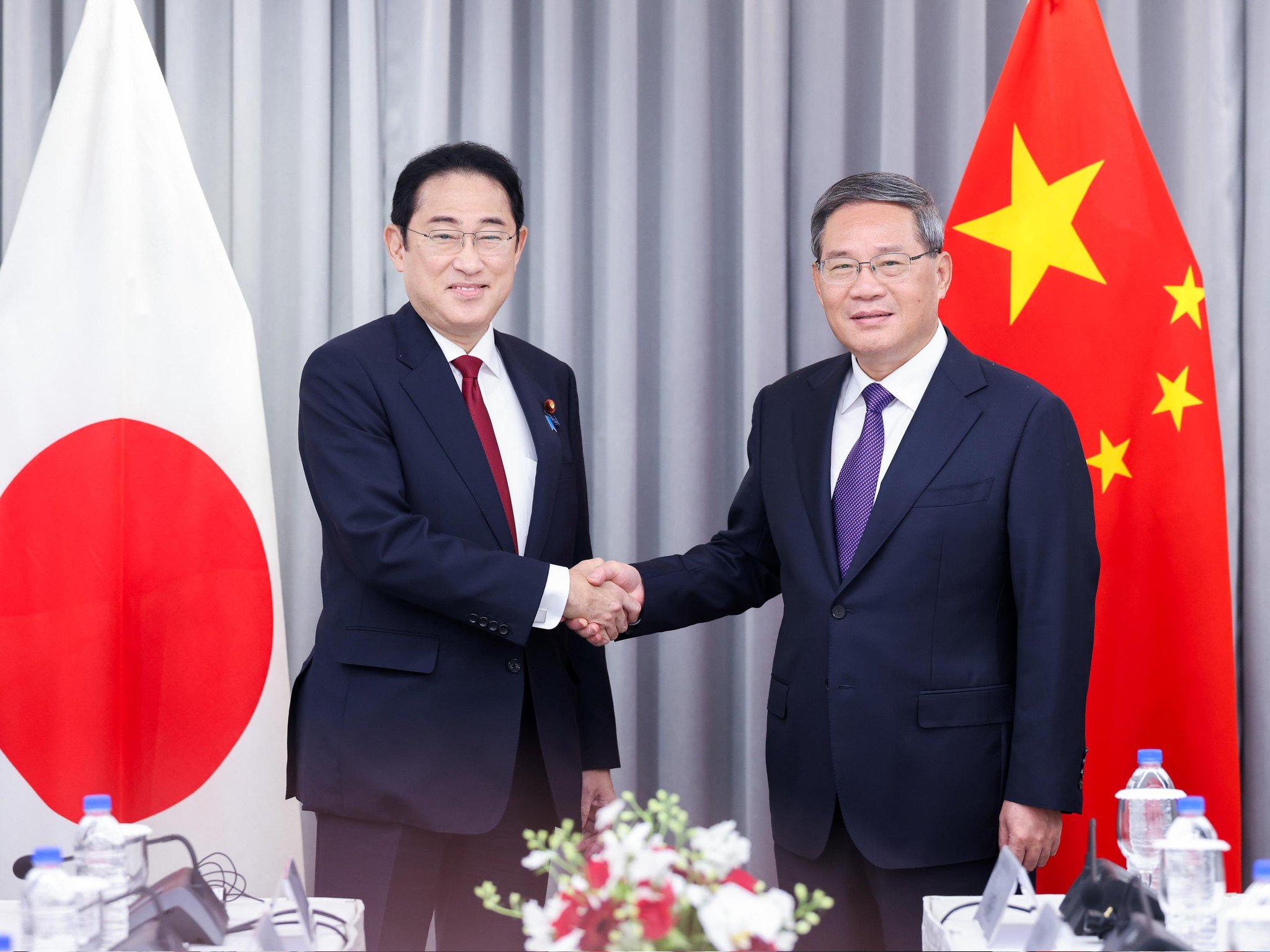
Prime Minister Takashi said the Japanese government will not intervene in the distribution of naphtha despite growing shortages on store shelves.
The decision comes as the country struggles to stabilize its energy supply chain following geopolitical instability in the Middle East. Because naphtha is a critical feedstock for various chemical products, a distribution bottleneck threatens the availability of a wide range of consumer goods.
The current crisis began three months ago [1] with the closure of the Strait of Hormuz. This strategic waterway is vital for oil and naphtha shipments, and its closure has cut off primary supply routes to Japan. The resulting scarcity has led to reports of products disappearing from retail locations.
Opposition parties have urged the government to implement anti-hoarding measures to ensure a more equitable distribution of the remaining stock. They said that without regulation, larger entities may stockpile the resource, further exacerbating the shortage for smaller businesses and consumers.
Prime Minister Takashi addressed these concerns during a cabinet meeting on April 30, 2026 [2]. Despite the pressure from opposition lawmakers, the prime minister said he remained negative regarding the prospect of government intervention in the market. The administration's stance suggests a preference for market-led recovery over state-mandated distribution controls.
The debate over the naphtha shortage has coincided with broader legislative discussions regarding the supplementary budget. Lawmakers are currently debating the future of gasoline subsidies, as the government evaluates how to manage energy costs amid the ongoing supply disruption.
“The Japanese government will not intervene in the distribution of naphtha.”
The refusal to intervene indicates that the Japanese government is prioritizing free-market principles over immediate state-led stabilization. By rejecting anti-hoarding regulations, the administration risks prolonged shortages if private actors continue to stockpile, but avoids the legal and economic complexities of price and supply controls during a geopolitical crisis.


