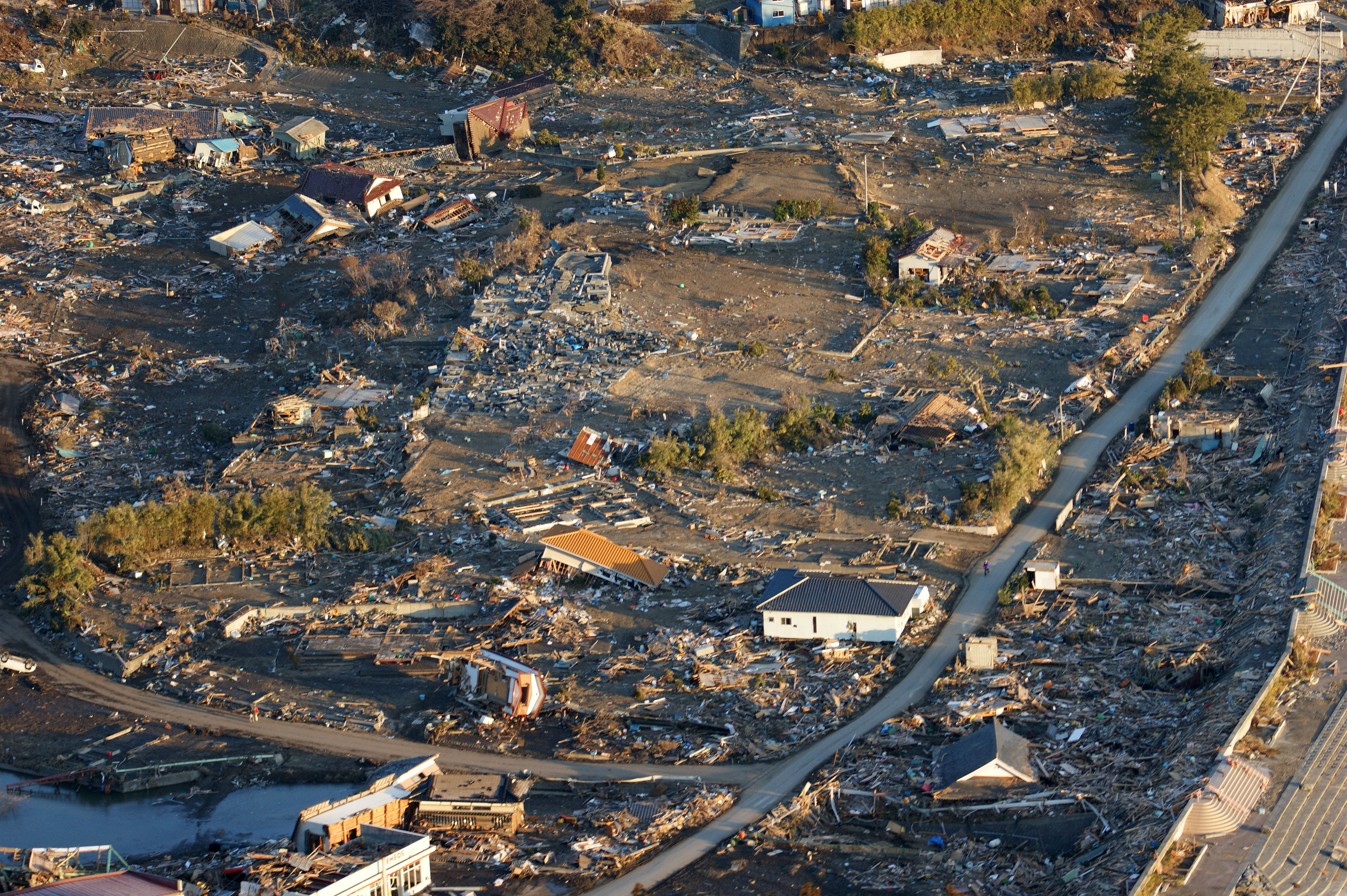
A magnitude 6.9 earthquake struck the northeast coast of Honshu, Japan, on Thursday [1], [2], [3].
Frequent seismic activity in this region poses a constant risk to coastal infrastructure and residential populations. The event tested the speed of Japan's early warning systems and the efficiency of local evacuation protocols.
The earthquake occurred at 17:03 local time [4]. Reports on the timing of the event varied across outlets, with some citing the date as Sunday the 9th [4], while others reported it as occurring this Thursday [1].
Initial responses to the tremor included conflicting reports regarding sea-level threats. Some reports indicated that no tsunami alert was issued following the quake [1]. However, other records state that Japanese authorities did issue a tsunami alert [2], which was subsequently withdrawn as the risk subsided [3].
The magnitude of the event was consistently reported as 6.9 [1], [2], [3]. This level of seismic energy is capable of causing significant shaking and potential structural damage in the affected coastal areas.
Authorities in the northeast region of Honshu monitored the coast closely following the tremor. The withdrawal of the tsunami alert [3] signaled that the displacement of water was not sufficient to create a dangerous wave, though the shaking remained a primary concern for residents.
“A magnitude 6.9 earthquake struck the northeast coast of Honshu, Japan”
The discrepancy in reporting regarding the date and the initial tsunami alert highlights the chaos often associated with immediate post-quake communications. However, the consistent reporting of a 6.9 magnitude confirms a significant seismic event in a region historically vulnerable to both earthquakes and subsequent tsunamis, reinforcing the necessity of Japan's rigorous alert infrastructure.

