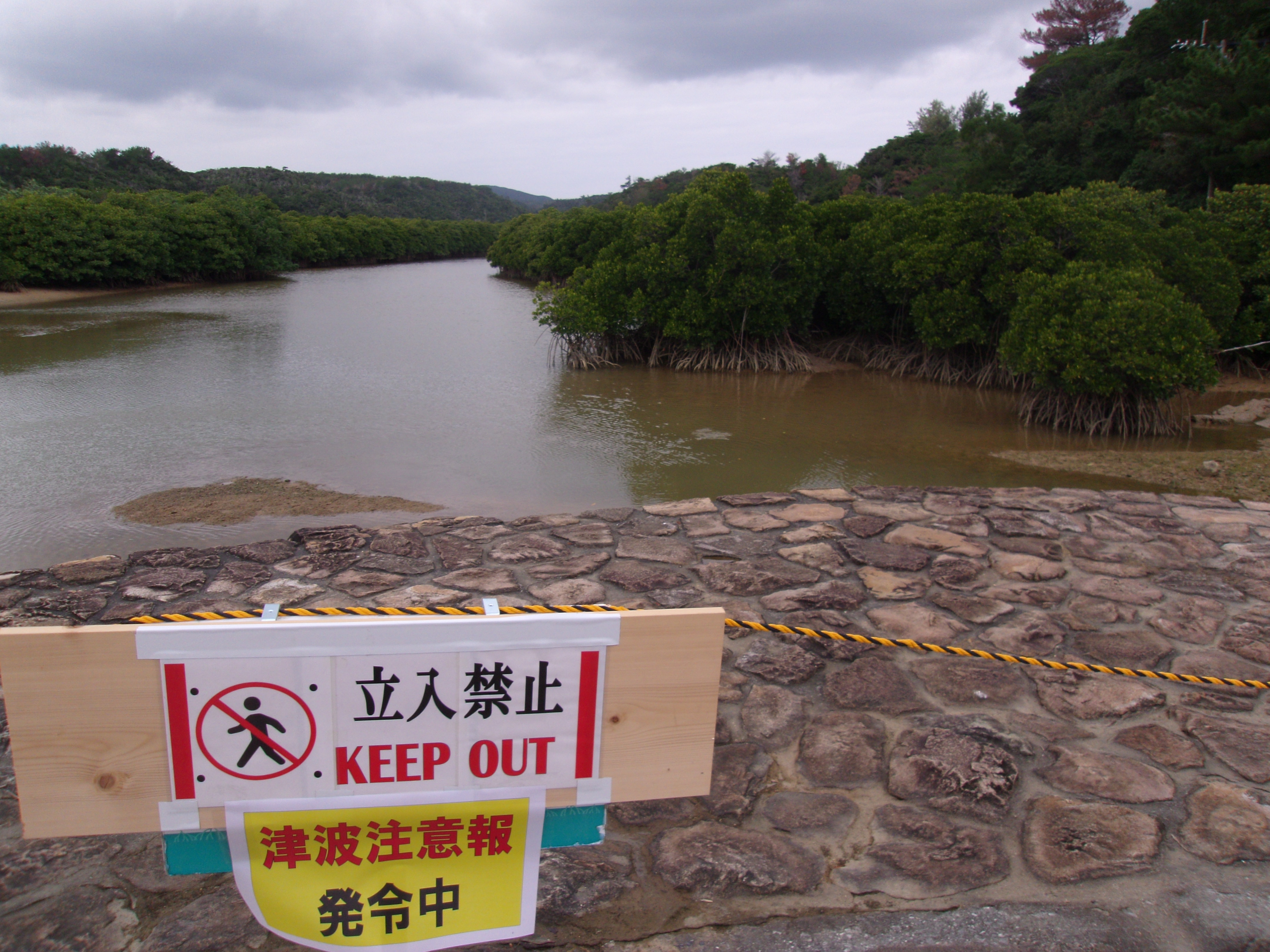
A magnitude 7.5 [1] earthquake struck off the northern coast of Japan on Monday, April 20, 2026, triggering urgent tsunami warnings.
This event is critical because it threatens the safety of coastal residents in northern Japan, specifically in Iwate prefecture, and increases the risk of a larger tectonic event. The region has a history of devastating tsunami waves that necessitate immediate evacuation of low-lying areas.
According to the Japan Meteorological Agency, the tremor was measured at a magnitude of 7.5 [1]. While some reports indicated a magnitude of 7.7, the agency's data suggests a 7.5 [1] measurement. Residents in northern coastal areas were ordered to evacuate immediately to higher ground as the threat of water displacement remained high.
Prime Minister Sanae Takaichi established a crisis management team to coordinate the emergency response. The Cabinet Office worked with with local authorities to ensure that residents in the affected areas were alerted to the imminent danger. The government's priority is the prevention of loss of life through rapid evacuation protocols.
Warnings were issued for waves reaching up to 3 meters [2] in height. The Japan Meteorological Agency provided these estimates to ensure that residents could move away from the coast. Local officials in Iwate prefecture managed the evacuation orders as the population moved toward designated safety zones.
Additionally, the Japan Meteorological Agency issued an advisory regarding the potential for a larger earthquake. Experts have estimated a 1% [3] chance for a mega-quake to follow this initial tremor. This possibility has put the government and the public on high alert for further tectonic activity in the northern region.
Despite the initial shock, the coordination between the government and the Japan Meteorological Agency is intended to reduce the impact of the event. The response is currently focused on the immediate safety of the coastal populations.
“A magnitude 7.5 earthquake struck off the northern coast of Japan on Monday, April 20, 2026.”
The immediate risk is the tsunami wave height and the possibility of a larger earthquake. Japan's disaster preparedness is world-leading, but the magnitude of this event and the potential for a mega-quake—even at a 1% probability—forces the same to remain vigilant. The focus on Iwate prefecture highlights the vulnerability of the northern coast to deep-sea tectonic shifts.
'%2F%3E%0A%20%20%20%20%3Crect%20width%3D'1600'%20height%3D'900'%20fill%3D'url(%23v)'%2F%3E%0A%20%20%20%20%3Cg%20opacity%3D'0.08'%20fill%3D'%23ffffff'%3E%0A%20%20%20%20%20%20%3Ccircle%20cx%3D'1420'%20cy%3D'180'%20r%3D'220'%2F%3E%0A%20%20%20%20%20%20%3Ccircle%20cx%3D'1500'%20cy%3D'760'%20r%3D'120'%2F%3E%0A%20%20%20%20%3C%2Fg%3E%0A%20%20%20%20%3Cline%20x1%3D'80'%20y1%3D'172'%20x2%3D'220'%20y2%3D'172'%20stroke%3D'%23ffffff'%20stroke-width%3D'3'%20stroke-opacity%3D'0.6'%2F%3E%0A%20%20%20%20%3Ctext%20x%3D'80'%20y%3D'140'%20font-family%3D'Inter%2C%20-apple-system%2C%20Helvetica%2C%20sans-serif'%20font-weight%3D'700'%20font-size%3D'28'%20fill%3D'%23ffffff'%20letter-spacing%3D'6'%3EHANNA%20%C2%B7%20NEWS%3C%2Ftext%3E%0A%20%20%20%20%3Ctext%20x%3D'80'%20y%3D'230'%20font-family%3D'Inter%2C%20-apple-system%2C%20Helvetica%2C%20sans-serif'%20font-weight%3D'600'%20font-size%3D'40'%20fill%3D'%23ffffffb3'%20letter-spacing%3D'4'%3EWORLD%3C%2Ftext%3E%0A%20%20%20%20%3Ctext%20x%3D'80'%20y%3D'622'%20font-family%3D'Playfair%20Display%2C%20Georgia%2C%20serif'%20font-weight%3D'800'%20font-size%3D'86'%20fill%3D'%23ffffff'%20letter-spacing%3D'-1'%3EPuente%20Alto%20Defeats%20Leones%3C%2Ftext%3E%3Ctext%20x%3D'80'%20y%3D'721'%20font-family%3D'Playfair%20Display%2C%20Georgia%2C%20serif'%20font-weight%3D'800'%20font-size%3D'86'%20fill%3D'%23ffffff'%20letter-spacing%3D'-1'%3Ede%20Quilpu%C3%A9%20in%20Women%26apos%3Bs%3C%2Ftext%3E%3Ctext%20x%3D'80'%20y%3D'820'%20font-family%3D'Playfair%20Display%2C%20Georgia%2C%20serif'%20font-weight%3D'800'%20font-size%3D'86'%20fill%3D'%23ffffff'%20letter-spacing%3D'-1'%3EBasketball%20Semifinal%3C%2Ftext%3E%0A%20%20%20%20%3Ctext%20x%3D'80'%20y%3D'870'%20font-family%3D'Inter%2C%20-apple-system%2C%20Helvetica%2C%20sans-serif'%20font-weight%3D'500'%20font-size%3D'22'%20fill%3D'%23ffffff66'%20letter-spacing%3D'2'%3Enews.hanna-ai.com%3C%2Ftext%3E%0A%20%20%3C%2Fsvg%3E)

