
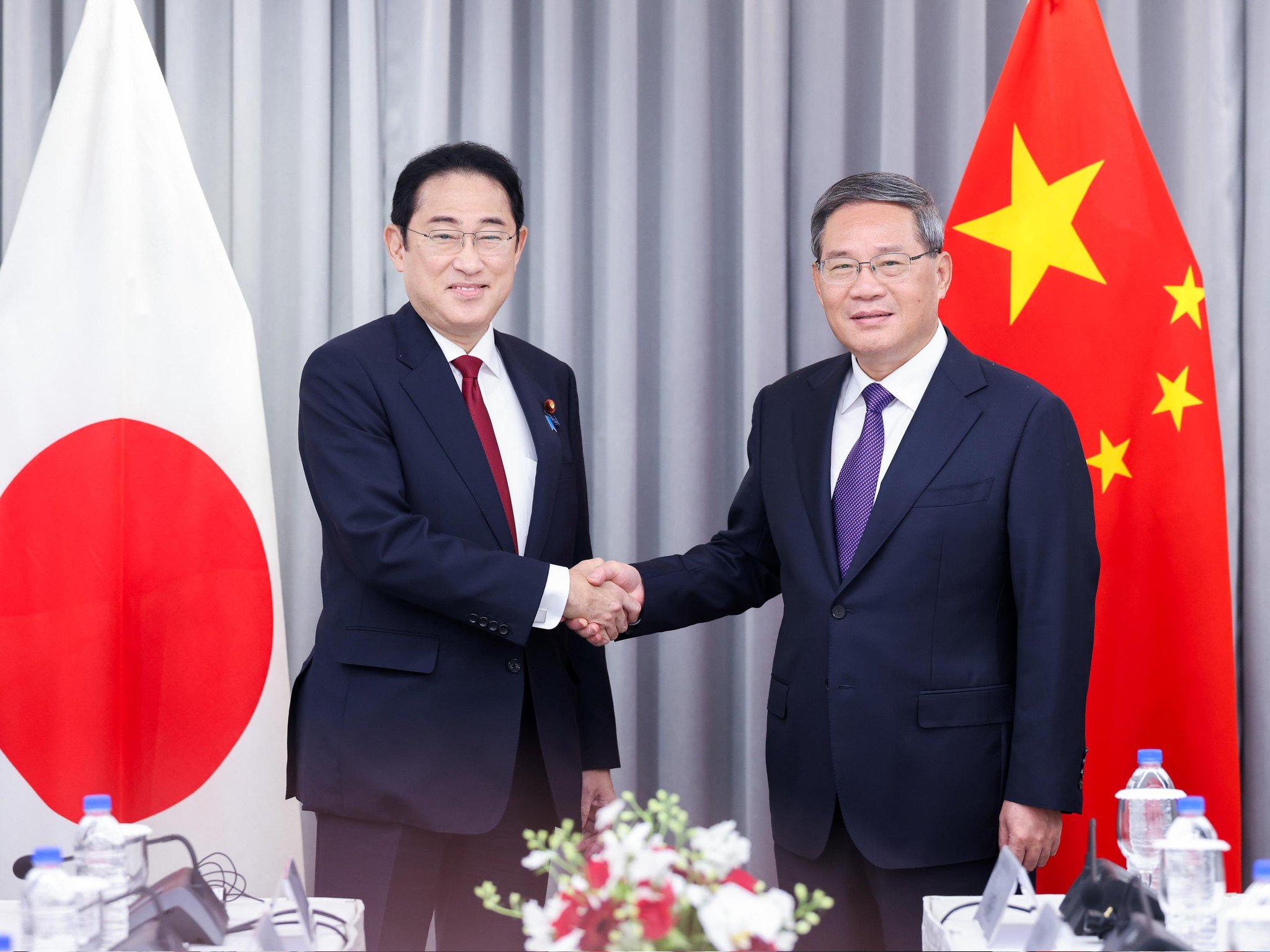
Japan and the Philippines agreed to upgrade their bilateral relations to a Comprehensive Strategic Partnership and begin formal talks on military intelligence sharing.
This shift represents a significant escalation in security cooperation between the two nations. The move comes as both countries seek to bolster their defenses against growing regional tensions involving China, specifically regarding Taiwan and the South China Sea [3, 4, 5].
Japanese Defense Minister Shinjiro Koizumi and Philippine President Ferdinand Marcos Jr. met in Tokyo on May 5, 2026 [1, 2]. Following this meeting, further discussions were scheduled for the following week to solidify the framework of the new partnership [1, 2].
As part of the deepening ties, Koizumi visited Manila on May 5, 2026 [1]. During this visit, the defense chief witnessed combat exercises designed to enhance the interoperability of the two militaries. The upgrade to the highest tier of strategic ties allows for more seamless coordination in maritime security and intelligence exchange [2].
The partnership focuses on creating a unified front in the face of territorial disputes. By establishing a formal mechanism for intelligence sharing, both nations aim to increase their situational awareness of naval movements in contested waters [3, 5].
Defense officials said the coordination is necessary to maintain stability in the Indo-Pacific region. The transition to a Comprehensive Strategic Partnership provides the legal and political infrastructure required for more frequent joint patrols, and shared military logistics [2, 5].
“Japan and the Philippines agreed to upgrade their bilateral relations to a Comprehensive Strategic Partnership”
The transition to a Comprehensive Strategic Partnership signals a shift from transactional security assistance to a formalized military alliance. By prioritizing intelligence sharing and joint combat exercises, Tokyo and Manila are creating a strategic buffer to deter Chinese assertiveness in the South China Sea, effectively aligning the Philippines more closely with Japan's regional security architecture.


