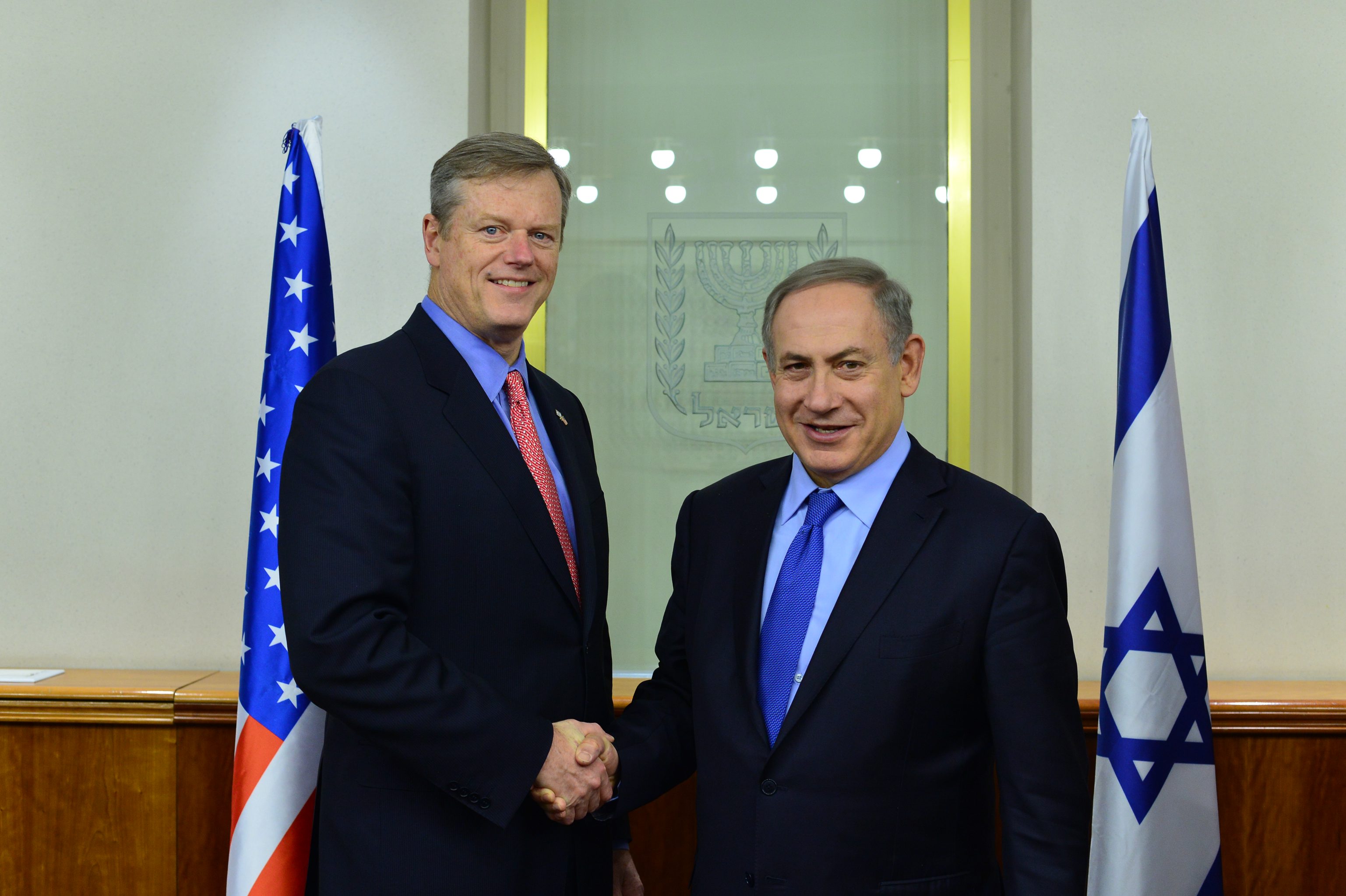
Japanese Prime Minister Sanae Takaichi arrived in New Delhi for her first official visit to India to strengthen the Special Strategic and Global Partnership [1].
This visit occurs as both nations seek to coordinate responses to regional instability and economic competition in Asia. The high-level talks emphasize a shared interest in maintaining a free and open Indo-Pacific region amid shifting geopolitical dynamics.
Prime Minister Narendra Modi welcomed Takaichi at the Rashtrapati Bhavan [2]. The visit coincides with the 16th India-Japan Annual Summit [3]. This summit serves as the primary vehicle for coordinating policy between Tokyo and New Delhi.
During the visit, the Ministry of External Affairs held a press briefing to outline the scope of bilateral cooperation [4]. Officials said the briefing addressed a range of complex regional issues, including relations with China and Pakistan [4].
One specific point of discussion involved the Indus Waters Treaty, a water-sharing agreement that remains a point of contention in South Asia [4]. The Ministry of External Affairs said it fielded questions regarding how these regional tensions impact the broader strategic goals of the Japan-India partnership [4].
While the primary focus remains on diplomacy and security, the visit also marks a significant personal milestone for Takaichi as she establishes her foreign policy footprint as Japan's leader [1]. The discussions in New Delhi are expected to result in updated agreements on trade, and technology transfer [1].
“The visit coincides with the 16th India-Japan Annual Summit”
Takaichi's maiden visit signals a continuation of the strong security alignment between Japan and India. By addressing the Indus Waters Treaty and China during the briefing, the Ministry of External Affairs indicates that the partnership is expanding beyond trade to include active coordination on South Asian stability and containment of regional rivals.