Japanese technology firms are consolidating their power-semiconductor businesses to improve efficiency in electric vehicles and renewable-energy systems.
These components regulate voltage and current, which reduces energy consumption across smartphones, home appliances, and electric mobility. As global demand for clean energy grows, the ability to produce high-efficiency semiconductors has become a critical competitive advantage for the Japanese industrial sector.
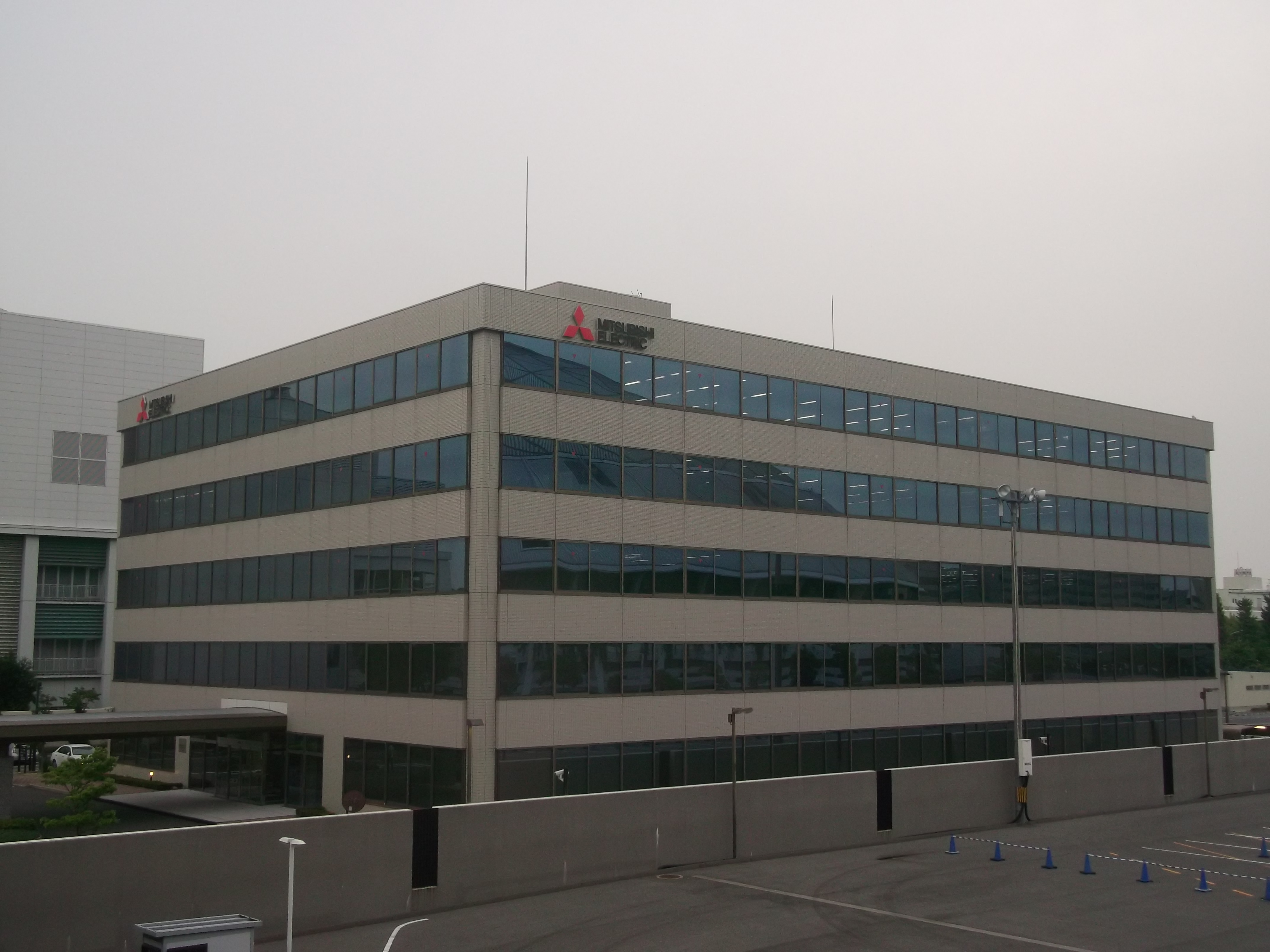
On March 27, 2026, reports emerged that ROHM, Toshiba, and Mitsubishi Electric began discussions regarding the integration of their power-semiconductor operations [1]. If the three companies merge their efforts, they could achieve a worldwide market share comparable to the second-largest provider globally [2].
Separately, DENSO disclosed on March 6, 2026, that it is considering the acquisition of ROHM to strengthen its own power-semiconductor business for electric vehicles [3]. This potential move highlights the strategic importance of semiconductor supply chains for automotive manufacturers transitioning away from internal combustion engines.
Technological advancements continue alongside these corporate maneuvers. ROHM announced on April 2, 2026, that it established epitaxial growth and low on-resistance technology for eight-inch silicon-carbide wafers [4]. Silicon-carbide technology is essential for increasing the power efficiency of high-voltage systems.
Industry analysts said that these semiconductors are the lifeline for essential modern electronics [5]. By reducing power loss during conversion, these technologies support the broader spread of renewable energy, and the scaling of electric-vehicle infrastructure worldwide.
ROHM said the company established the eight-inch SiC wafer technology to improve performance [4]. Reuters Japan said the three-company integration talks were aimed at consolidating the sector [1].
“ROHM, Toshiba, and Mitsubishi Electric began discussions regarding the integration of their power-semiconductor operations.”
The movement toward consolidation suggests that Japanese firms believe scale is necessary to compete with global semiconductor giants. By integrating resources and advancing 8-inch wafer technology, these companies aim to secure a dominant position in the electric vehicle supply chain, reducing reliance on external imports and lowering the energy footprint of consumer electronics.
'%2F%3E%0A%20%20%20%20%3Crect%20width%3D'1600'%20height%3D'900'%20fill%3D'url(%23v)'%2F%3E%0A%20%20%20%20%3Cg%20opacity%3D'0.08'%20fill%3D'%23ffffff'%3E%0A%20%20%20%20%20%20%3Ccircle%20cx%3D'1420'%20cy%3D'180'%20r%3D'220'%2F%3E%0A%20%20%20%20%20%20%3Ccircle%20cx%3D'1500'%20cy%3D'760'%20r%3D'120'%2F%3E%0A%20%20%20%20%3C%2Fg%3E%0A%20%20%20%20%3Cline%20x1%3D'80'%20y1%3D'172'%20x2%3D'220'%20y2%3D'172'%20stroke%3D'%23ffffff'%20stroke-width%3D'3'%20stroke-opacity%3D'0.6'%2F%3E%0A%20%20%20%20%3Ctext%20x%3D'80'%20y%3D'140'%20font-family%3D'Inter%2C%20-apple-system%2C%20Helvetica%2C%20sans-serif'%20font-weight%3D'700'%20font-size%3D'28'%20fill%3D'%23ffffff'%20letter-spacing%3D'6'%3EHANNA%20%C2%B7%20NEWS%3C%2Ftext%3E%0A%20%20%20%20%3Ctext%20x%3D'80'%20y%3D'230'%20font-family%3D'Inter%2C%20-apple-system%2C%20Helvetica%2C%20sans-serif'%20font-weight%3D'600'%20font-size%3D'40'%20fill%3D'%23ffffffb3'%20letter-spacing%3D'4'%3EBUSINESS%3C%2Ftext%3E%0A%20%20%20%20%3Ctext%20x%3D'80'%20y%3D'622'%20font-family%3D'Playfair%20Display%2C%20Georgia%2C%20serif'%20font-weight%3D'800'%20font-size%3D'86'%20fill%3D'%23ffffff'%20letter-spacing%3D'-1'%3EChild%20killed%20after%20tree%3C%2Ftext%3E%3Ctext%20x%3D'80'%20y%3D'721'%20font-family%3D'Playfair%20Display%2C%20Georgia%2C%20serif'%20font-weight%3D'800'%20font-size%3D'86'%20fill%3D'%23ffffff'%20letter-spacing%3D'-1'%3Efalls%20on%20school%20bus%20in%3C%2Ftext%3E%3Ctext%20x%3D'80'%20y%3D'820'%20font-family%3D'Playfair%20Display%2C%20Georgia%2C%20serif'%20font-weight%3D'800'%20font-size%3D'86'%20fill%3D'%23ffffff'%20letter-spacing%3D'-1'%3EMumbai%3C%2Ftext%3E%0A%20%20%20%20%3Ctext%20x%3D'80'%20y%3D'870'%20font-family%3D'Inter%2C%20-apple-system%2C%20Helvetica%2C%20sans-serif'%20font-weight%3D'500'%20font-size%3D'22'%20fill%3D'%23ffffff66'%20letter-spacing%3D'2'%3Enews.hanna-ai.com%3C%2Ftext%3E%0A%20%20%3C%2Fsvg%3E)

