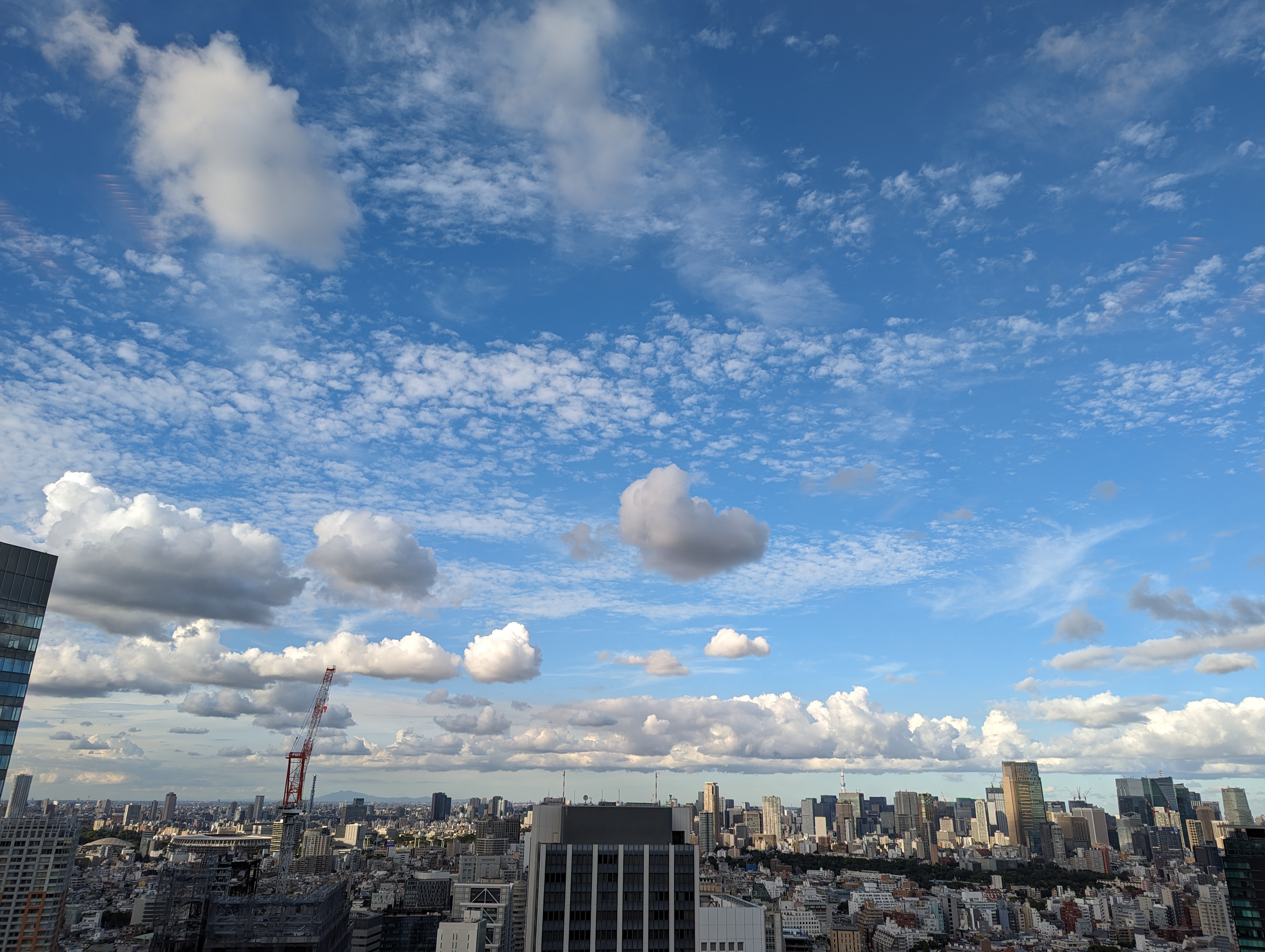
A record 733 locations across Japan recorded temperatures of 30 degrees Celsius or higher on July 15 [1].
The extreme heat has triggered the nation's first heat-stroke warning alert of the year in Tokyo, signaling a critical public health risk as temperatures remain high into the night.
The Japan Meteorological Agency, utilizing the nationwide AMeDAS observation network, reported that the surge in heat was caused by a persistent high-pressure ridge over the Japanese archipelago [1, 2, 5]. This weather pattern pushed temperatures to dangerous levels in multiple regions. In Tokyo's Aogashima/Ome area, the maximum temperature reached 35.1 degrees Celsius [1], while central Tokyo recorded 34.3 degrees Celsius [1].
Nationwide, 209 out of 914 observation points recorded temperatures of 35 degrees Celsius or higher [5]. The most intense heat was measured in Hamamatsu, Shizuoka, where the temperature peaked at 38.0 degrees Celsius [1].
Local authorities have issued not only the daytime alerts but also night-time heat-stroke advisories to protect residents from prolonged exposure. In Hamamatsu, the heat has visibly impacted public activity. A city official from the Hamamatsu municipal office said fewer people were walking the streets than usual due to the heat [1].
Despite the record numbers, some residents in high-heat zones expressed a sense of familiarity with the conditions. A local resident of Hamamatsu's Tenryu-ku said it is hot every year in their area and they have become accustomed to it, noting that the heat this year feels similar to previous years [1].
Health officials continue to urge the public to stay hydrated and use cooling systems to avoid heat-related illnesses as the high-pressure system persists [1, 3].
“A record 733 locations across Japan recorded temperatures of 30 degrees Celsius or higher.”
The record number of 'true-summer days' (30°C+) occurring simultaneously across Japan suggests an intensifying summer pattern. The issuance of both daytime and night-time alerts indicates that the lack of nocturnal cooling is increasing the physiological strain on the population, potentially leading to higher rates of heat-related hospitalizations.


