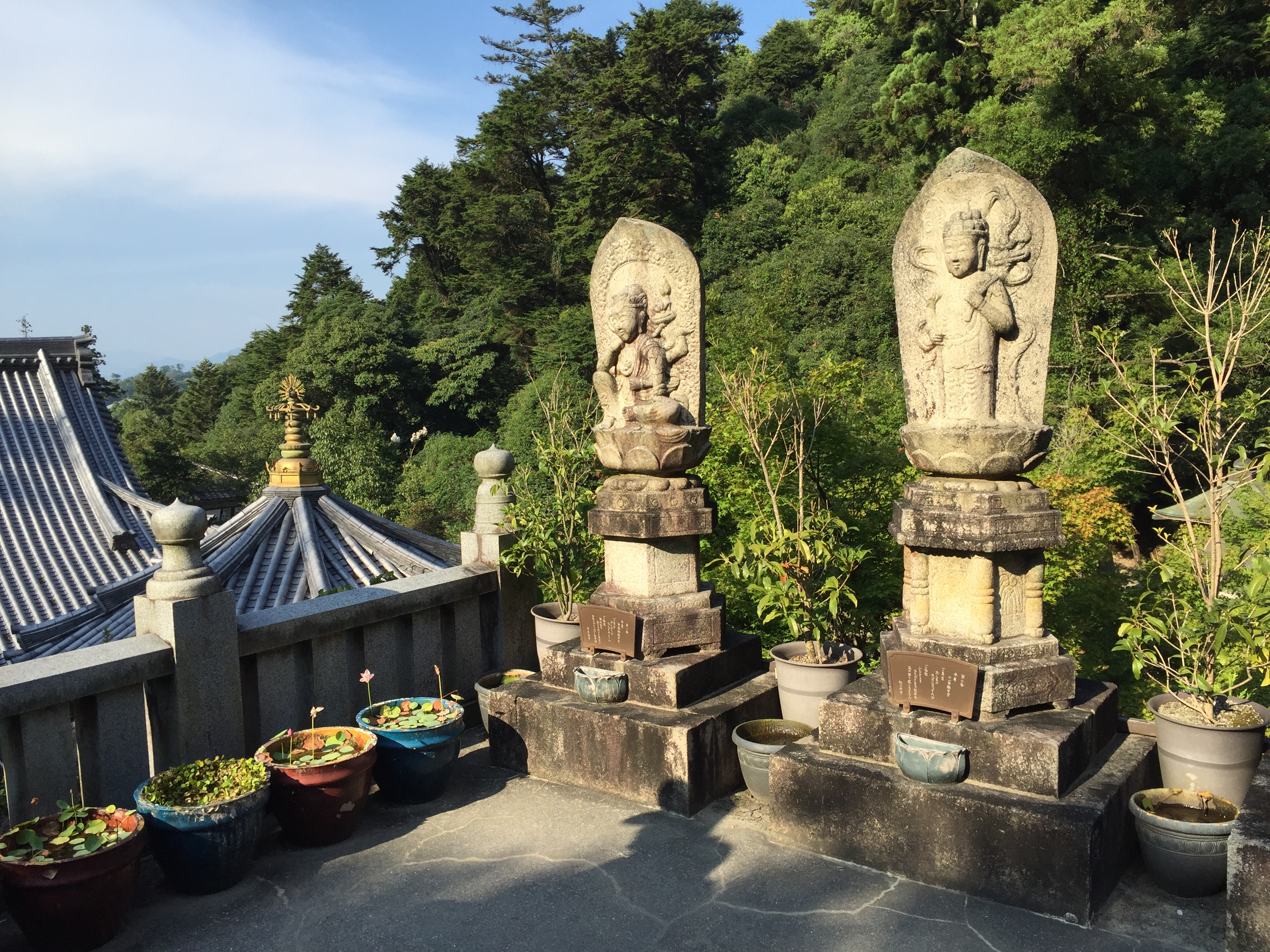
A fire destroyed Reikado Hall at Daishoin Temple on Miyajima Island on Wednesday, May 20, 2026 [1].
The loss of the historic structure marks a significant blow to the architectural heritage of Hiroshima Prefecture. However, the rescue of the temple's "eternal flame" prevents the total loss of a spiritual symbol that has endured for centuries.
The blaze gutted the hall, which served as the home for a sacred flame believed to be more than 1,200 years old [2]. While some reports suggest the flame is more than 1,000 years old [3], the majority of records cite the older age. Local fire authorities responded to the scene to combat the flames and secure the area [4].
Despite the destruction of the building, the sacred flame was rescued and moved to a safe location [5]. The flame is central to the spiritual identity of the Daishoin Temple, and its preservation was a primary concern during the emergency response.
Authorities said the sacred flame may have ignited the blaze [6]. The exact cause of the fire remains under investigation by local officials to determine if the flame's proximity to the wooden structure contributed to the ignition [6].
Reikado Hall was a key feature of the temple complex on Miyajima Island [7]. The structure's total destruction leaves the temple community to plan for the future of the site and the permanent relocation of the rescued flame.
“The sacred flame was rescued and moved to a safe location.”
The destruction of Reikado Hall highlights the persistent vulnerability of Japan's ancient wooden architecture to fire. The fact that the sacred flame, the very object of veneration, may have been the cause of the fire underscores the inherent risk in maintaining open-flame traditions within historic timber structures. The successful rescue of the flame ensures the continuity of the temple's spiritual lineage despite the loss of its physical housing.


