
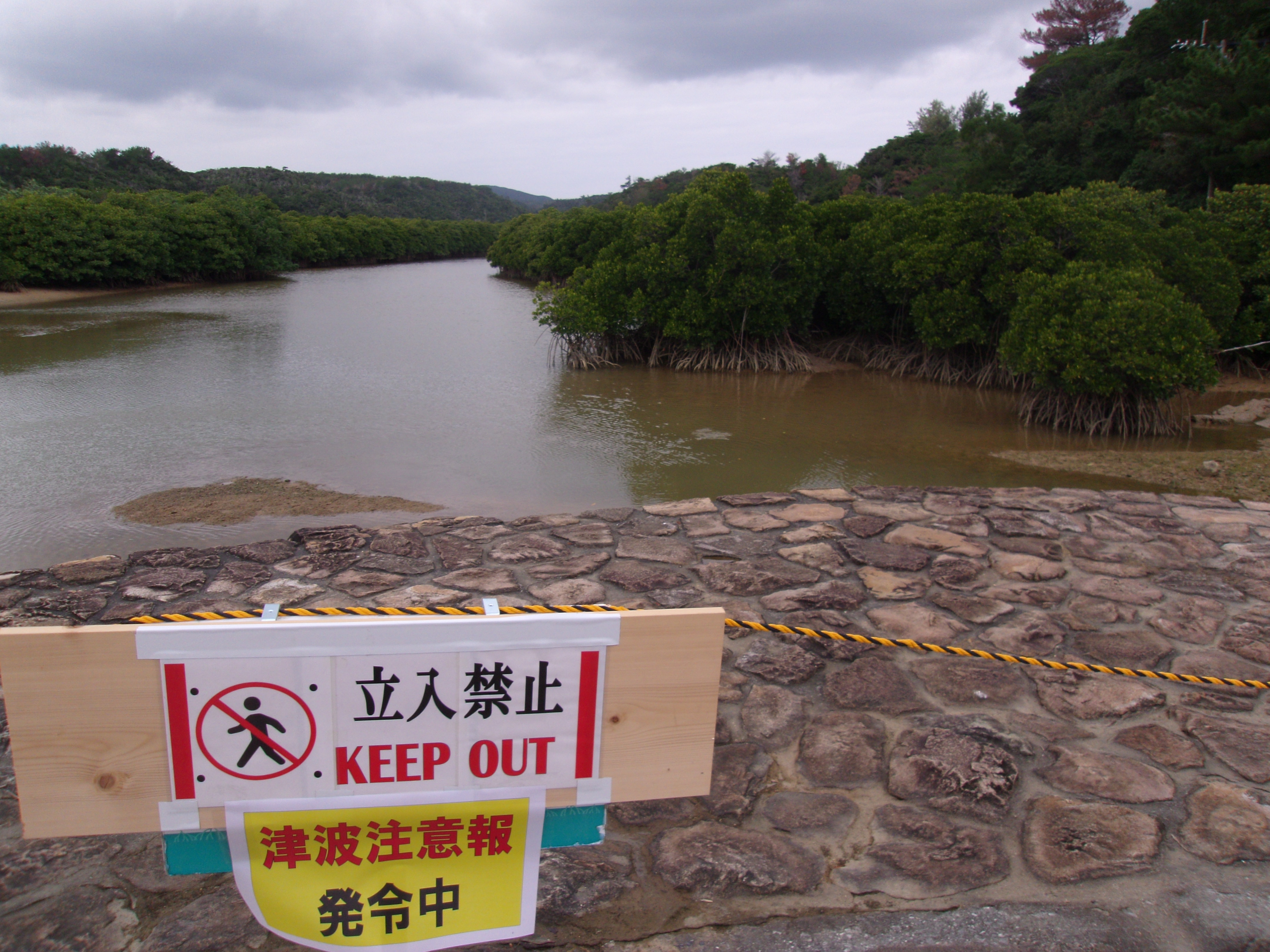
The Japan Meteorological Agency issued a tsunami advisory on Monday after a magnitude 8.2 earthquake [1] struck off the coast of the Philippines.
The advisory is critical because the predicted waves coincide with high tide, increasing the risk of coastal flooding in vulnerable regions. This timing creates a heightened danger for residents and visitors near the shoreline.
The earthquake occurred at 8:38 a.m. local time [2]. In response, authorities issued warnings for coastal Pacific areas stretching from Ibaraki Prefecture through Okinawa Prefecture [3]. The advisory also includes the Izu Islands and the Ogasawara Islands [3].
Forecasters predict tsunami waves reaching heights of up to one metre [4]. The arrival of these waves is expected to occur in stages across the southern islands. Waves were predicted to reach the Miyako and Jima-Yaeyama regions around 11 a.m. [1].
Similar arrival times were projected for the Okinawa main island, with waves expected around 11:30 a.m. [1]. This timeline is particularly concerning because high tide in Okinawa is expected around 12 p.m. [1]. The combination of the tsunami's energy and the natural rise of the tide may push water further inland than a standard wave would.
Local authorities have urged residents to exercise extreme caution near the coast. The advisory remains in effect as the agency monitors sea levels across the Pacific coast [3].
“The Japan Meteorological Agency issued a tsunami advisory on Monday after a magnitude 8.2 earthquake struck off the coast of the Philippines.”
The synchronization of a tsunami arrival with a high-tide cycle significantly amplifies the risk of coastal inundation. While a one-metre wave may seem manageable, the elevated baseline of a high tide allows the water to penetrate deeper into coastal infrastructure, potentially trapping people or damaging property that would otherwise remain dry during a low-tide event.


