Scientists discovered a slippery layer of ancient clay beneath the Pacific Ocean that triggered the devastating 2011 tsunami in Japan [1].
The discovery provides a critical explanation for why the 2011 event was so deadly. By identifying the geological mechanism that accelerated the rupture, researchers can better understand how similar seafloor conditions might influence future seismic events in the region.
According to the findings, the rupture from the earthquake raced toward the ocean floor due to the presence of this thin, slippery clay layer [1]. This specific geological composition reduced friction, allowing the seismic energy to travel more efficiently than it would have through standard rock or sediment.
When the rupture reached the ocean floor, it caused a massive displacement of water. This rapid seafloor movement acted as the catalyst for the powerful tsunami that struck the Japanese coast [1]. The researchers used record-breaking ocean drilling to access these deep layers and analyze the material that facilitated the disaster.
The study suggests that the interaction between the ancient clay and the tectonic plates created a high-velocity path for the rupture [1]. This mechanism explains the scale of the seafloor movement, which differs from typical earthquake patterns where energy may dissipate before reaching the surface.
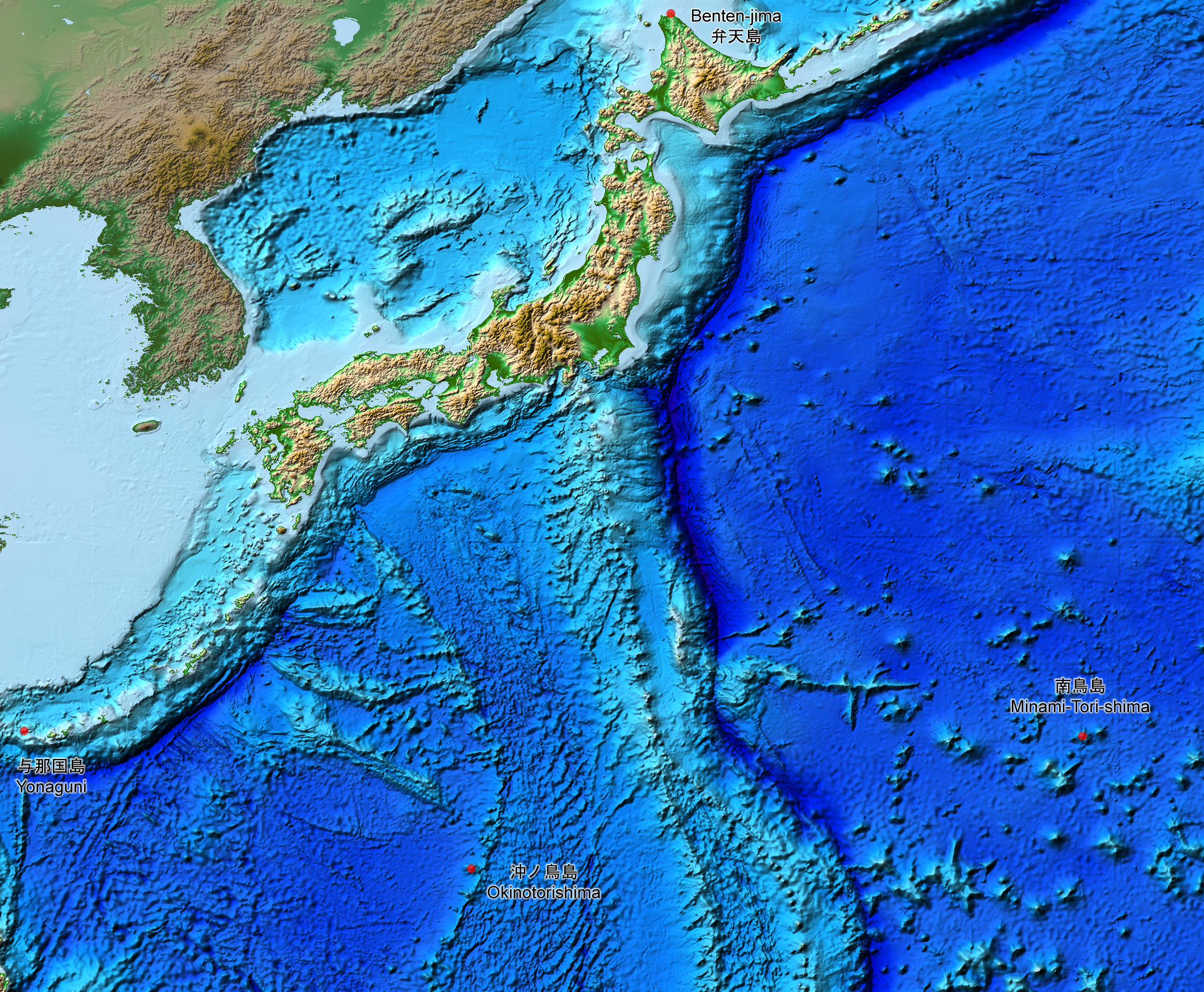
Scientists said the identification of this layer clarifies the relationship between deep-sea geology and surface-level disasters [1]. The drilling data allows for a more precise mapping of the subduction zone, where the Pacific Plate slides beneath the plate carrying Japan.
“a slippery layer of ancient clay beneath the Pacific Ocean”
This discovery shifts the understanding of tsunami generation from a focus on earthquake magnitude alone to the specific geological composition of the fault zone. By proving that a thin layer of clay can act as a lubricant for seismic ruptures, scientists may now be able to identify other 'slippery' zones in the Pacific, potentially improving the accuracy of tsunami early-warning systems based on seafloor mapping.