
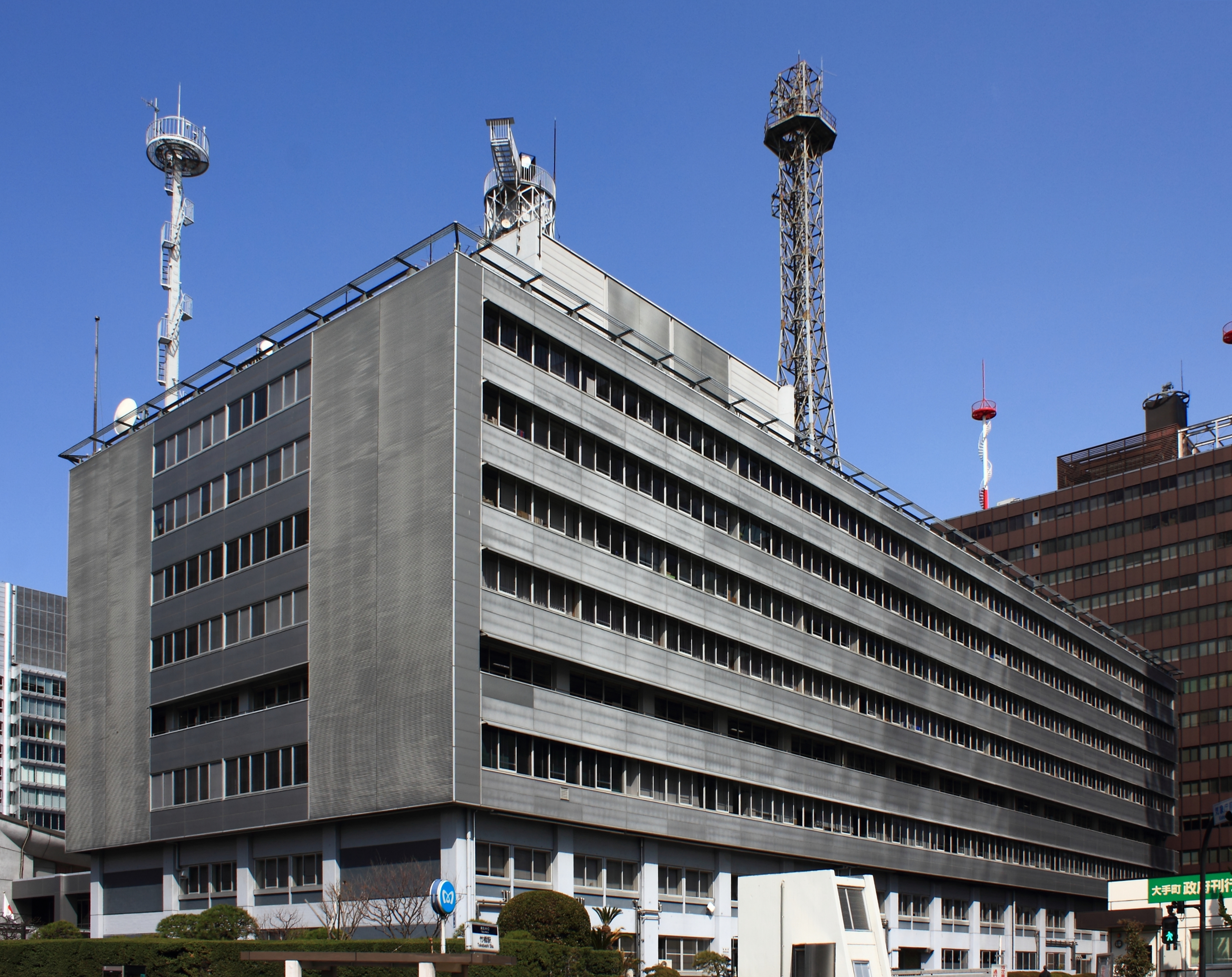
The Japan Meteorological Agency said Monday that tsunami observation data is missing from two tide-gauge stations while a warning remains in effect [1].
This loss of real-time data creates a critical blind spot for emergency responders and residents during an active maritime threat. Without accurate readings from these specific locations, authorities cannot confirm the exact height or behavior of the sea in those coastal sectors.
The agency said that equipment is not transmitting data for unspecified reasons at the Mitsasaki Fishing Port in Miura City, Kanagawa Prefecture, and the Uchihama tide-gauge station in Numazu City, Shizuoka Prefecture [1]. The agency labeled these stations as "missing data" to alert the public that current readings are unavailable [2].
This technical failure occurs amid broader regional instability following a magnitude 8.2 earthquake off the Philippines [3]. The seismic event triggered tsunami activity across the region, including an observed tsunami height of 20 centimeters at Chichijima [3].
Because the monitoring system is compromised at these two sites, the Japan Meteorological Agency urged residents to exercise extreme caution. The agency said that people should not enter the sea or approach the coast until the official warning is lifted [1].
The agency continues to monitor other functional stations to provide the best possible estimates for the affected areas. Officials did not say if the data loss was caused by the earthquake's physical impact or a separate technical malfunction [1].
“The Japan Meteorological Agency said Monday that tsunami observation data is missing from two tide-gauge stations.”
The failure of tide-gauge stations during a tsunami warning highlights the vulnerability of early-warning infrastructure to the very disasters they are designed to monitor. When primary sensors fail, the agency must rely on secondary data or conservative safety warnings, increasing the urgency for public evacuation even in the absence of confirmed wave heights.


