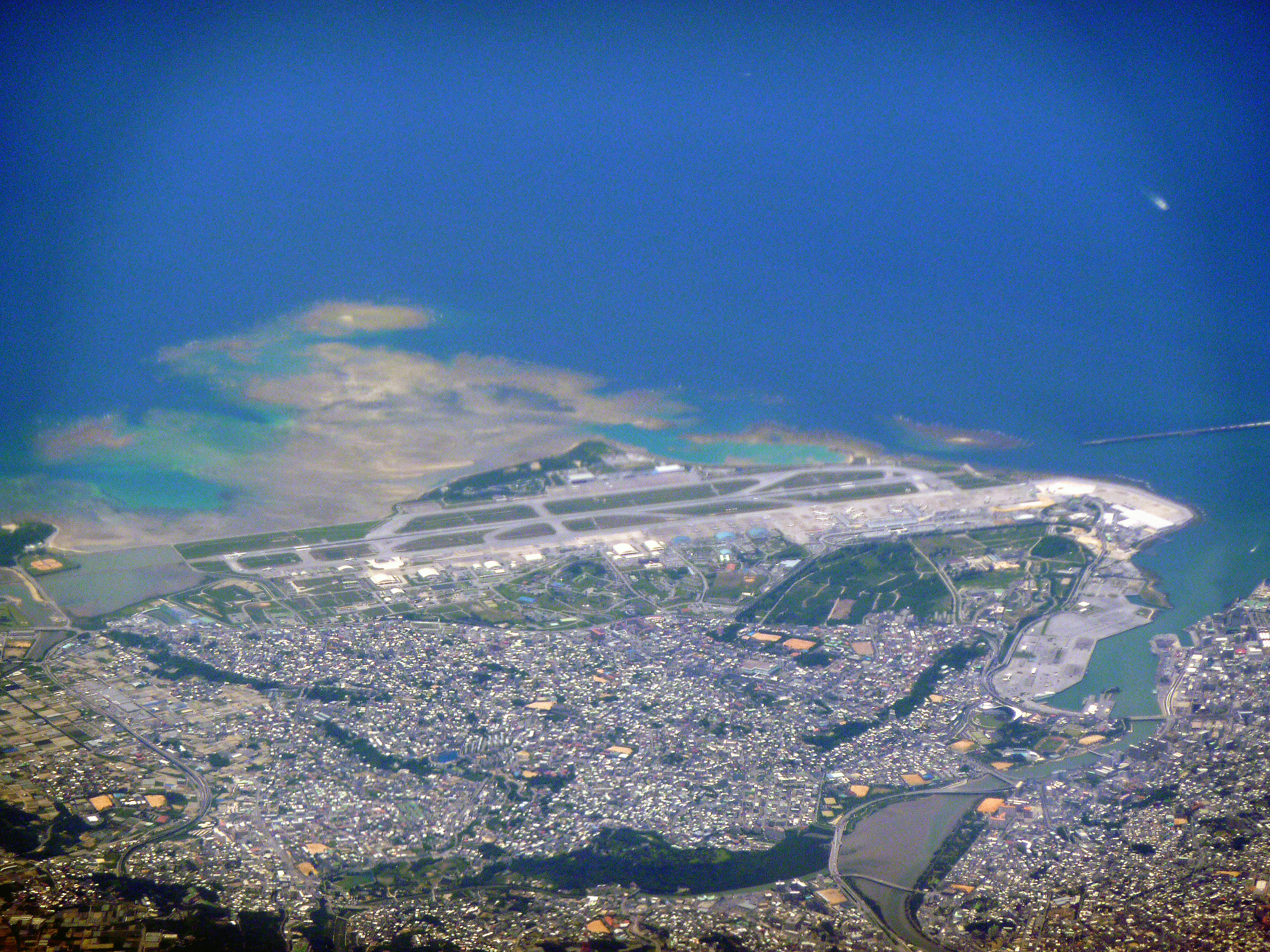
A Japan Air Self-Defense Force F-15 fighter jet made an emergency landing at Naha Airport in Okinawa on Jan. 30, 2024 [1].
The incident disrupted regional air travel by forcing the closure of a primary runway, highlighting the operational friction that occurs when military aircraft utilize civilian aviation hubs.
The aircraft, identified as an F-15DJ [1], experienced a malfunction with its nose gear [1, 2]. Reports on the exact timing of the landing vary between 1:20 p.m. [1] and 2 p.m. [2]. Despite the mechanical failure, no injuries were reported [2].
Airport authorities closed the second runway to accommodate the emergency and facilitate recovery efforts. Recovery operations began shortly after 3 p.m. [2]. While the second runway remained unavailable, commercial flights were diverted to use the first runway [1, 2].
This redirection caused delays for several civilian flights departing from and arriving at the airport [2]. Naha Airport serves as a critical transit point for both military operations and tourism in the Okinawa prefecture, making any runway closure a significant logistical challenge.
Officials from the Okinawa Prefecture Base Measures Division monitored the situation as crews worked to clear the aircraft from the tarmac. The closure of the second runway limited the airport's total capacity during the peak afternoon window, a period of high traffic for domestic and international travel.
“No injuries were reported”
The incident underscores the vulnerability of Okinawa's aviation infrastructure, where the integration of military and civilian flight paths at Naha Airport can lead to immediate systemic delays. Because the airport relies on a limited number of runways, a single mechanical failure on a military jet can ripple through the commercial schedule, affecting thousands of passengers.


