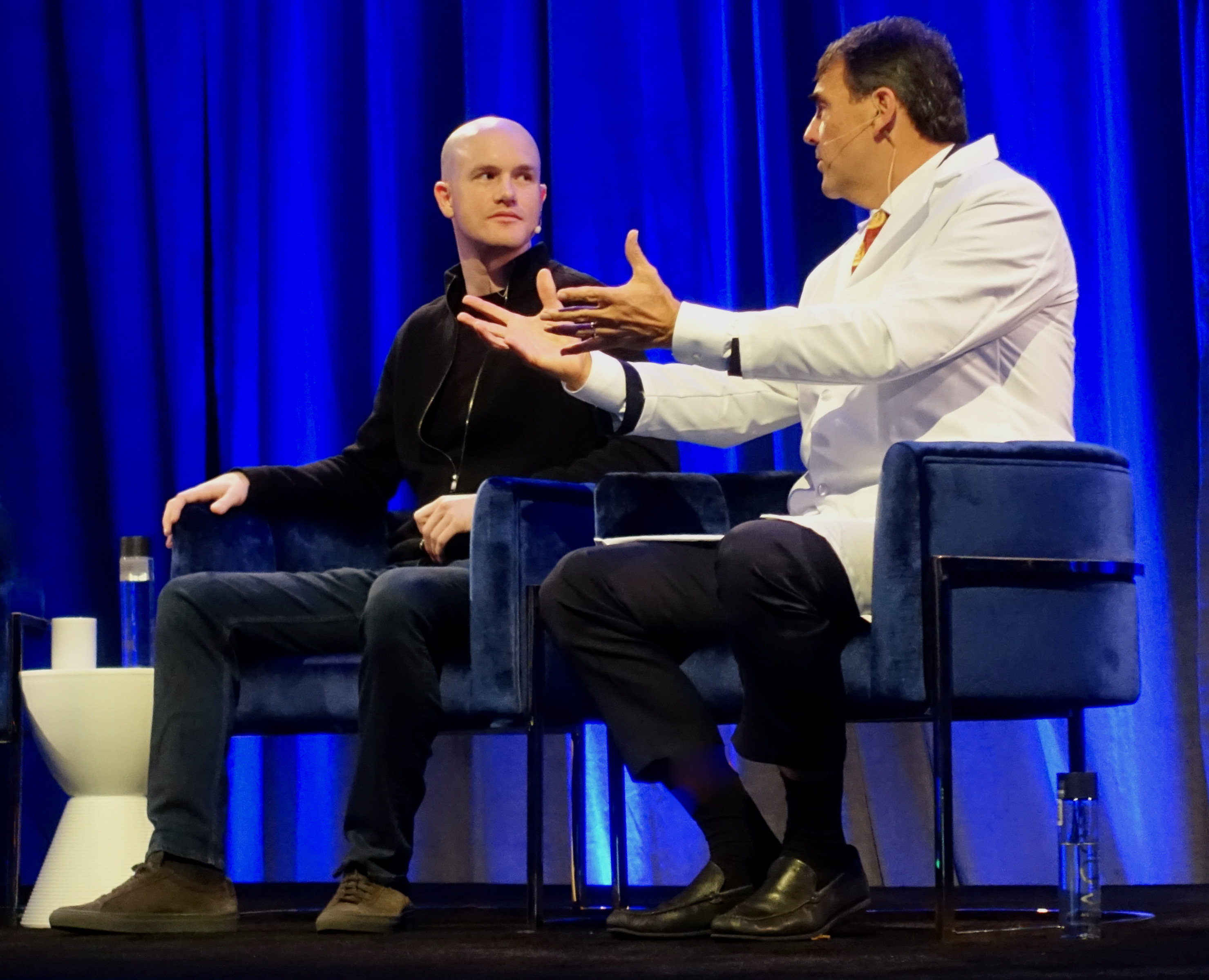
Jeff Bezos said artificial intelligence will elevate people at work rather than replace their jobs [1].
The perspective from the Amazon and Blue Origin founder suggests a shift in how the global workforce views automation, moving from a fear of obsolescence toward a model of enhanced productivity.
Speaking during a CNBC interview with Andrew Ross Sorkin on Sept. 4, 2024, Bezos said the impact of AI is a massive upgrade in tooling [1, 2]. He compared the transition to a construction project where a worker has been digging a basement with a shovel and is suddenly handed a bulldozer [1, 3].
Bezos said AI is going to "elevate" people at work, not replace jobs [1]. He said that software engineers, in particular, should not fear the technology but should instead be happy about the capabilities it provides [3].
While the immediate effect is a boost in individual efficiency, Bezos said that this surge in productivity could create broader economic ripples [2, 5]. He said AI, by making workers more productive, will eventually lead to labor shortages and even deflation [2, 5].
This outlook contrasts with common narratives regarding mass unemployment caused by automation. Instead of eliminating positions, Bezos said that the nature of work will be raised as the tools used to perform those tasks become more powerful [2, 5].
“"AI is going to 'elevate' people at work, not replace jobs."”
Bezos' argument shifts the AI conversation from labor replacement to labor amplification. By suggesting that AI creates a productivity surplus that could lead to deflation and labor shortages, he implies that the demand for human oversight and high-level skill will increase even as the manual or repetitive elements of a job are automated.