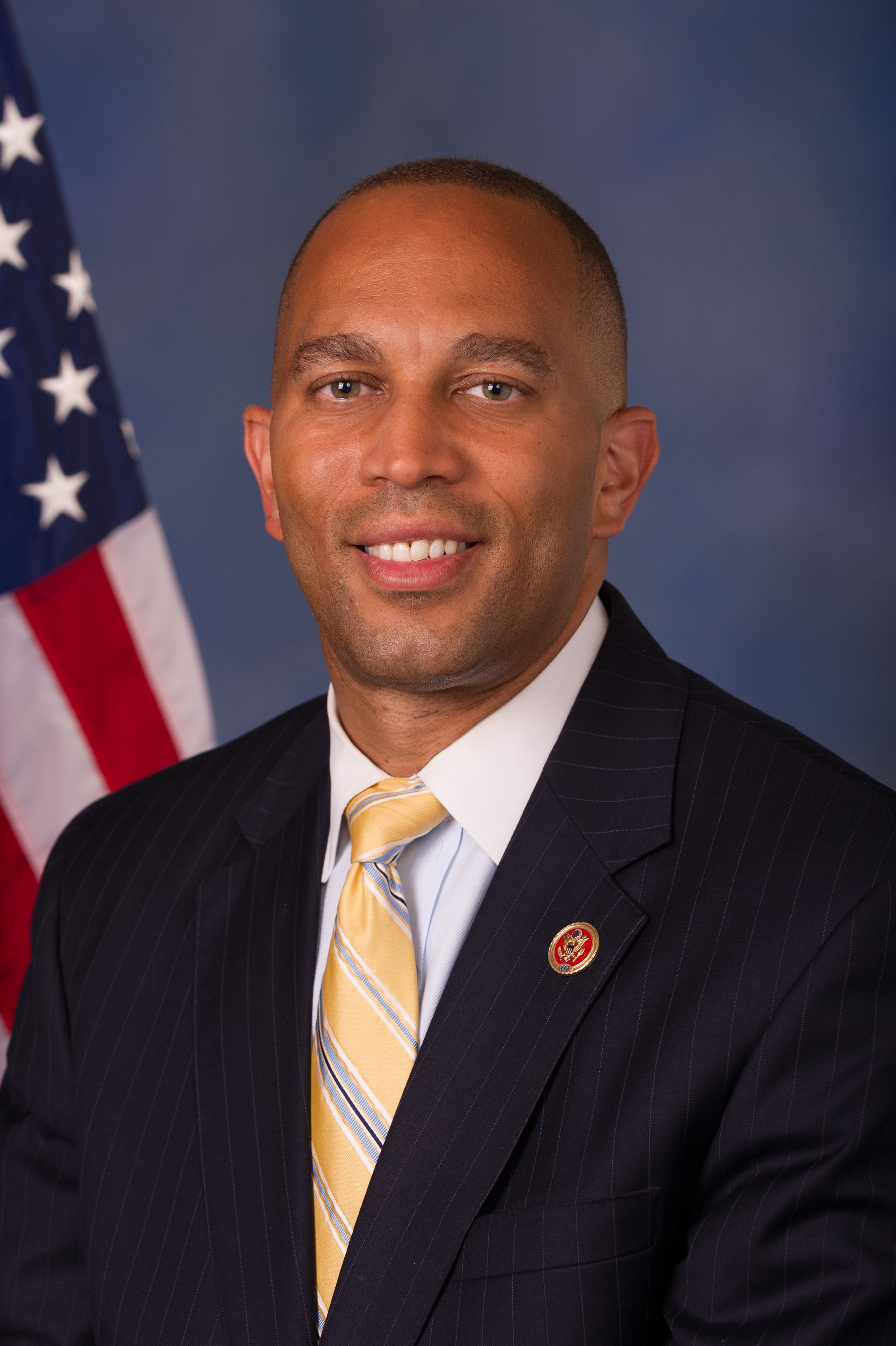
House Minority Leader Hakeem Jeffries (D-NY) said there is bipartisan opposition to extending the Foreign Intelligence Surveillance Act surveillance authorities for the Trump administration [1].
This resistance signals a potential legislative deadlock over critical national security tools. If Congress fails to reach an agreement on FISA, the U.S. government could lose legal authorities used to monitor foreign intelligence targets within the country.
Jeffries linked the current opposition to the appointment of Bill Pulte as Acting Director of National Intelligence [1]. He said that this specific personnel decision by President Donald Trump has created the "bipartisan opposition" to extending the surveillance authorities [2].
The Foreign Intelligence Surveillance Act provides the legal framework for the government to conduct electronic surveillance of foreign powers and their agents. These authorities are periodically subject to renewal by Congress, often sparking debates over the balance between national security and civil liberties.
While Jeffries highlighted the role of the Acting Director of National Intelligence, other reports have indicated varying reasons for Democratic hesitation. Some sources suggest that opposition to FISA reauthorization has previously been linked to the presence of other administration officials in leadership roles [3].
Jeffries' comments emphasize a growing tension between the legislative branch and the executive branch regarding the oversight of intelligence gathering. The House Minority Leader's focus on the DNI appointment suggests that the credibility and leadership of the intelligence community are central to the current political stalemate [1].
The outcome of these deliberations will determine whether the Trump administration retains the same surveillance capabilities as previous administrations, or if new restrictions will be imposed as a condition for renewal [2].
“"bipartisan opposition" to extending FISA surveillance authorities”
The debate over FISA extension is no longer just about privacy rights or legal loopholes, but has become a proxy battle over executive appointments. By tying the renewal of surveillance powers to the appointment of the Acting Director of National Intelligence, Democratic leadership is using legislative leverage to challenge the administration's personnel choices within the intelligence community.