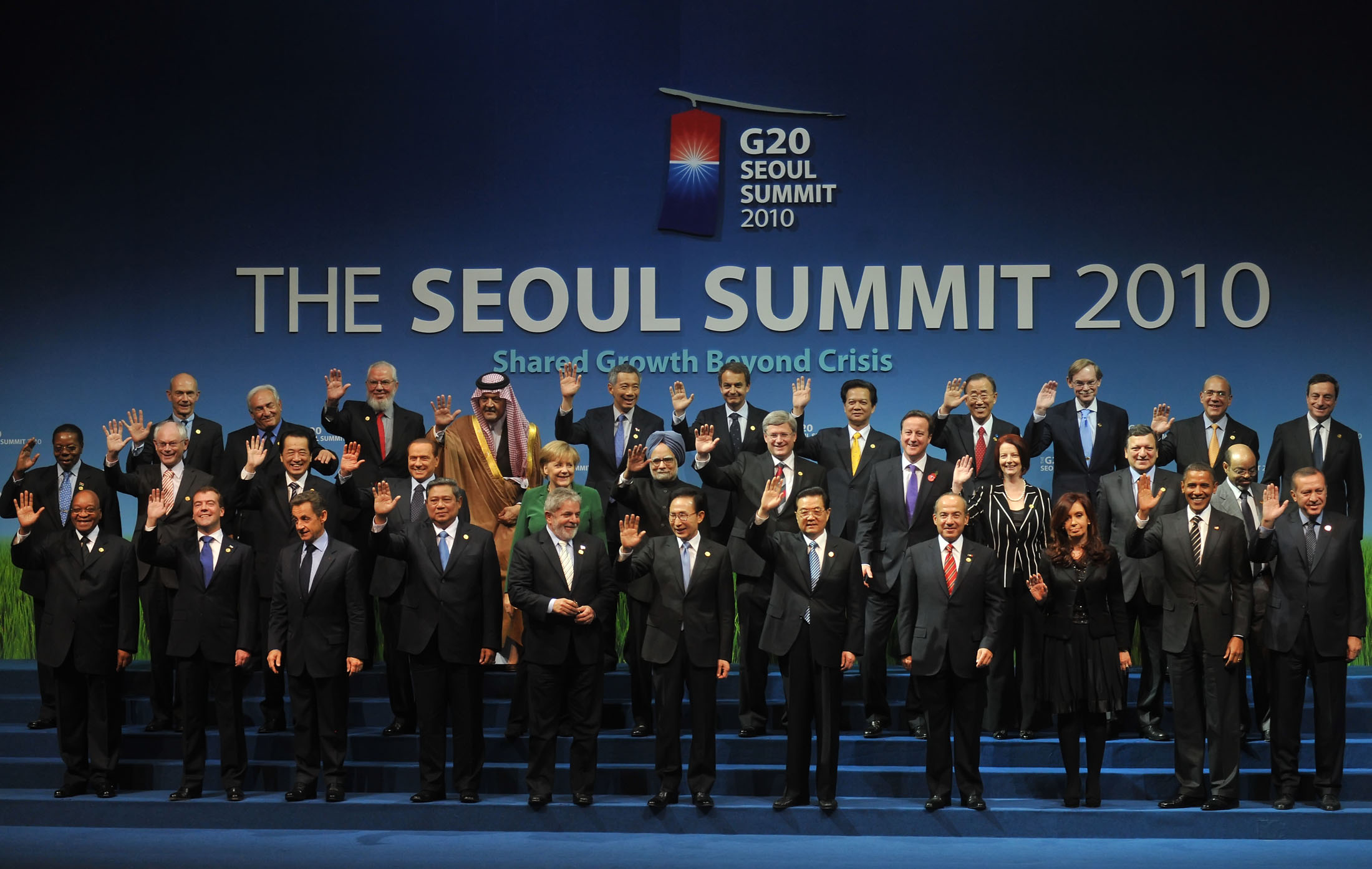
World leaders and United Nations officials gathered on Jeju Island on Wednesday for the 21st [1] Jeju Forum to discuss reinventing global cooperation.
The summit arrives as international relations face significant strain. Participants aim to find pathways for collaboration in what has been described as a divided era, a necessity for addressing shared security and economic threats.
The forum, which began June 24, 2026, is scheduled to run for three days [1]. It serves as an annual international peace forum where delegates from various nations and organizations convene to discuss diplomacy and peace-building strategies.
Discussions at the event focus on the urgent need to address environmental degradation and economic instability. The participants are exploring how to modernize the frameworks of international aid and diplomacy to better suit the current geopolitical landscape.
Security challenges also feature prominently on the agenda. Officials are evaluating how to maintain stability and prevent conflict in a climate of increasing polarization between major global powers.
The gathering on Jeju Island is intended to move beyond traditional diplomatic gestures. By focusing on the concept of reinvention, the forum seeks to establish new norms for how countries interact when traditional multilateral agreements are under pressure [1, 2].
“World leaders and United Nations officials gathered on Jeju Island... to discuss reinventing global cooperation.”
The 21st Jeju Forum highlights a growing recognition that post-World War II multilateral structures may no longer be sufficient to handle modern crises. By explicitly calling to 'reinvent' cooperation, the participants are acknowledging a systemic failure in current diplomatic channels to resolve environmental and security disputes in a multipolar world.


