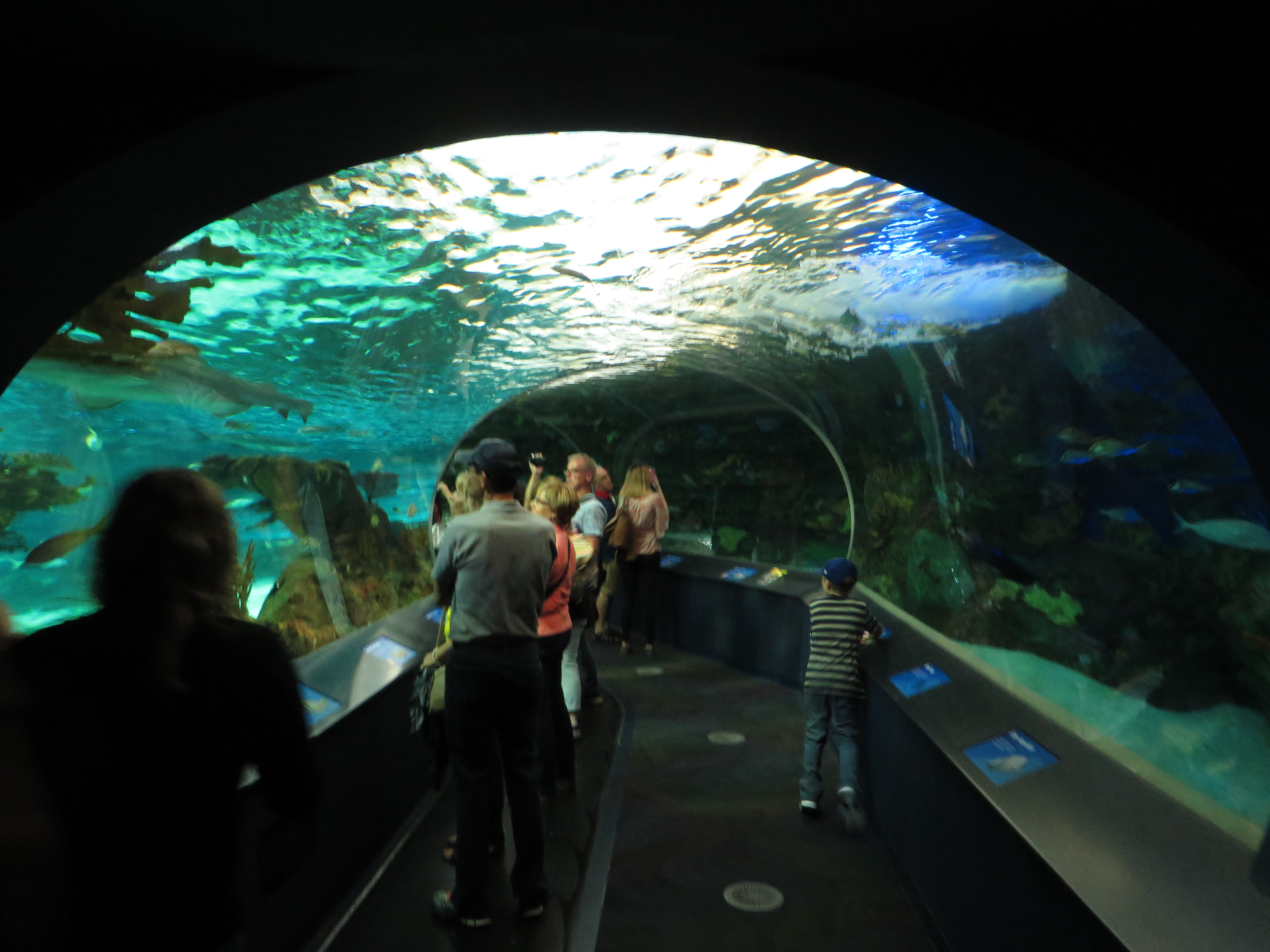
Visitors are flocking to a water park in Jeongseon, Gangwon-do, to escape a prolonged heatwave [1, 2].
The surge in tourism highlights the growing demand for nature-based recreation as citizens seek relief from extreme summer temperatures. By combining water activities with a clean, natural setting, the facility has become a primary destination for families during the summer break.
Local residents and tourists from across the country have traveled to the region to avoid the urban heat. The park is praised for its integration into the surrounding landscape, offering a cooling environment that differs from traditional concrete water parks.
Choi Hyun-young, a visitor from Jangwi-dong in Seoul, said she visited with her family during the summer vacation. She said that while she worried the weather might be poor due to continuous rain, the conditions were better than expected. Choi said the surrounding mountains and greenery made the trip feel like a true getaway, and she did not want to go home.
The facility's popularity is driven by the ongoing heatwave, which has pushed many to seek out high-altitude or nature-rich areas in Gangwon-do. These regions typically offer lower ambient temperatures than the metropolitan areas, providing a natural cooling effect alongside the park's attractions [1, 2].
Visitors have described the experience as a way to forget the oppressive heat while enjoying the outdoors. The combination of clean air, and water recreation continues to attract crowds as the summer season peaks.
“Visitors are flocking to a water park in Jeongseon, Gangwon-do, to escape a prolonged heatwave.”
The trend of 'nature-cooling' tourism in Jeongseon reflects a broader pattern in South Korea where urban populations migrate toward the mountainous Gangwon-do province to mitigate the effects of intensifying summer heatwaves. This shift emphasizes a preference for eco-friendly recreation over traditional urban leisure centers.