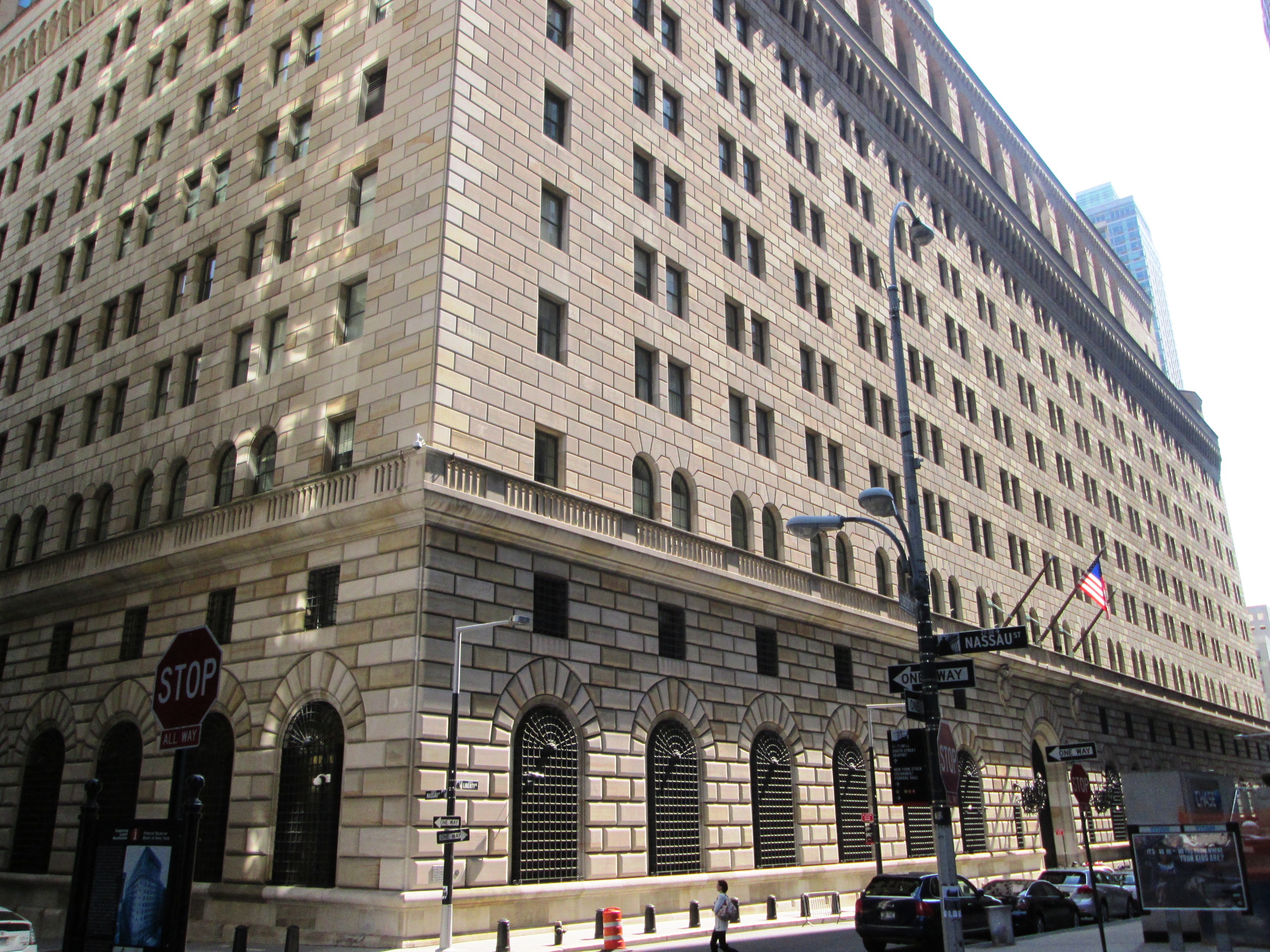
Jerome Powell concluded his eight-year tenure as chair of the Federal Reserve with a final press conference on April 30, 2026 [1].
Powell's departure marks the end of a leadership era defined by unprecedented global crises. His actions during the COVID-19 pandemic and subsequent inflation surge reshaped the U.S. economy and the internal dynamics of the central bank.
Powell's term began in March 2018 [1]. One of the most critical moments of his leadership occurred on March 3, 2020, when he led an emergency monetary-policy meeting [2]. During that session, the Federal Reserve announced a rate cut of 0.5 percentage point [2].
Reflecting on the limitations of monetary policy during the health crisis, Powell said, "We do recognize that a rate cut will not reduce the rate of infection" [2]. He later said, "Integrity is priceless" [2].
The conclusion of his term has highlighted significant friction within the Federal Reserve. While some observers view his tenure as one of decisive action, others point to a fractured leadership environment. Alex Ossola of the Wall Street Journal said, "There's a deep divide at the Fed as the Jerome Powell era comes to a close" [3].
Throughout his eight years [1], Powell managed a chaotic era characterized by pandemic-related economic shocks and high inflation [2]. These challenges required aggressive interventions that often sparked debate among policymakers regarding the long-term impact on price stability, a tension that persisted until his final briefing on Wednesday [4].
“Integrity is priceless.”
The transition away from Powell's leadership occurs as the Federal Reserve remains internally split over the correct balance between inflation control and economic growth. The legacy of the 2020 emergency interventions continues to influence current monetary policy, leaving his successor to navigate a deeply divided board and a volatile global economy.


