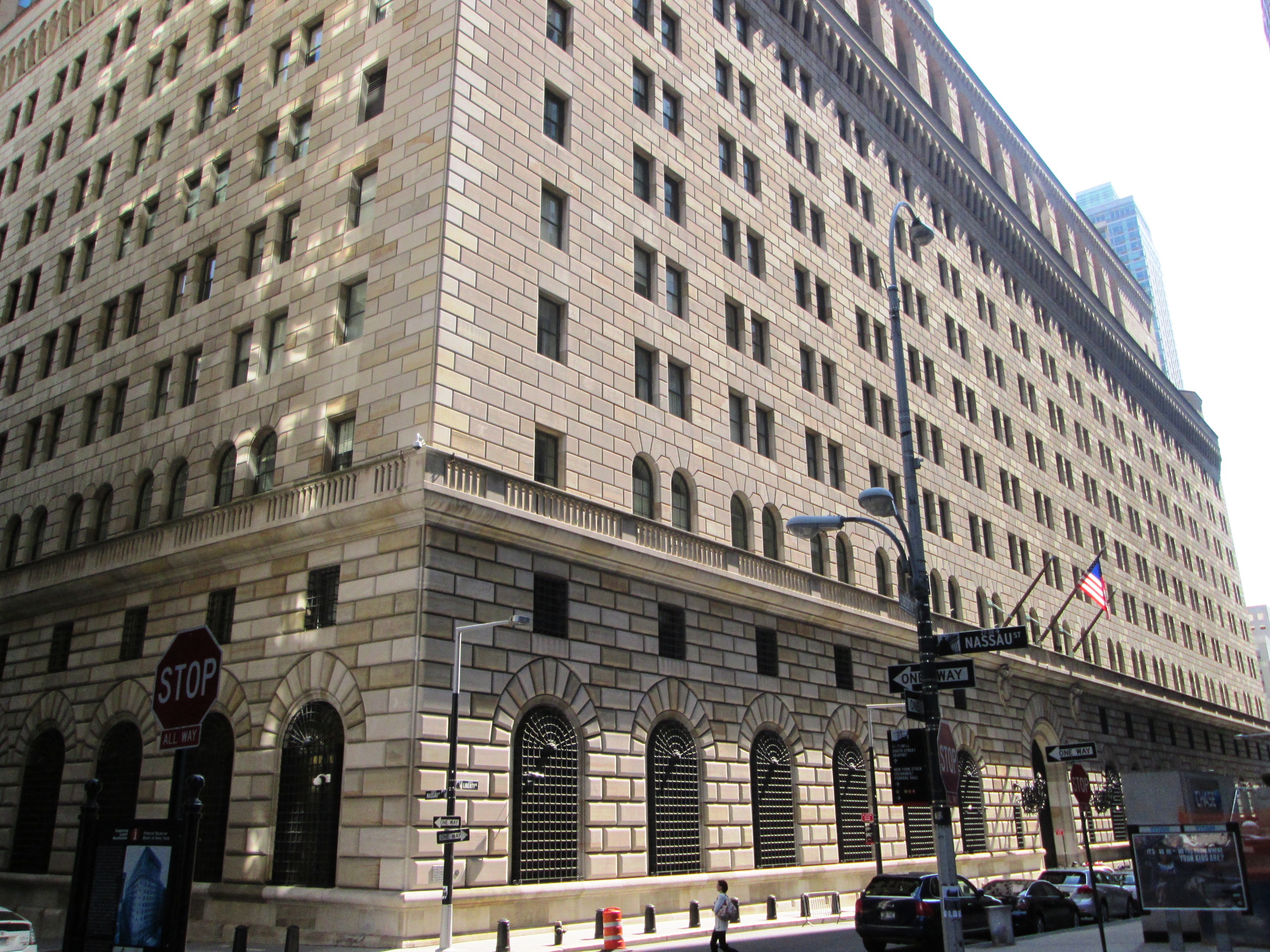
Jerome Powell has ended his mandate as Chairman of the Federal Reserve of the United States [1].
This transition marks a pivotal shift in U.S. monetary policy leadership following a period of significant economic volatility and legal scrutiny. The departure comes as the central bank manages interest rates and navigates the transition to new leadership.
Powell's term officially expired on May 19, 2024 [1]. He led the institution for more than eight years [3]. During his final meeting as chair, the Federal Reserve maintained interest rates between 3.5% and 3.75% [4].
The transition was preceded by legal uncertainty. The U.S. Department of Justice recently archived a criminal investigation into Powell [2]. "The Department of Justice has archived the criminal investigation against Jerome Powell," the department said [2]. This closure removed a primary obstacle to the appointment of his successor.
Powell indicated he would maintain stability during the handover process. "I will stay until my successor is confirmed," Powell said [1]. Previously, he had stated he had no intention of leaving the board until the investigation concluded [1].
Kevin Warsh is poised to succeed Powell [3]. Warsh, who is 56 years old, enters the role as the Federal Reserve Act dictates the expiration of the previous mandate [1, 3]. The appointment of Warsh signals a new chapter for the central bank as it continues to address inflation, and economic growth.
Powell's tenure was defined by aggressive responses to global economic shocks and a long-term struggle to stabilize prices. His exit follows the standard statutory limits of the Federal Reserve Act, though the timing coincided with the resolution of the DOJ probe [1, 2].
“"I will stay until my successor is confirmed."”
The conclusion of Powell's tenure and the appointment of Kevin Warsh represents a shift in the leadership of the world's most influential central bank. By resolving the Department of Justice investigation, the U.S. government has cleared the legal path for a smooth transition, reducing potential market instability that could have arisen from a contested or delayed succession.


