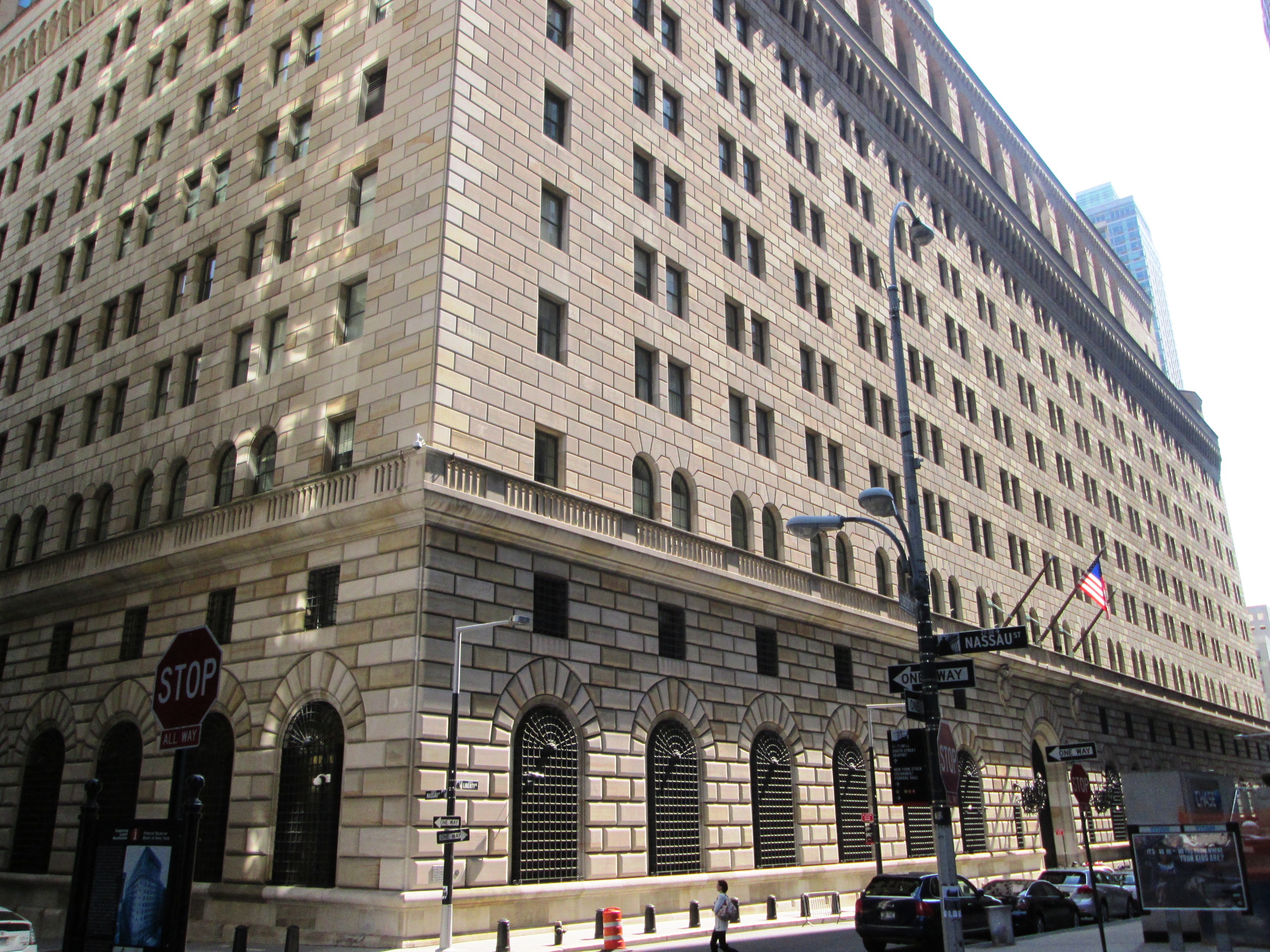
Jerome Powell is stepping down as chair of the Federal Reserve after leading the U.S. central bank for more than eight years [1].
The transition marks the end of a leadership era defined by aggressive efforts to curb inflation and a persistent defense of the institution's independence from political pressure.
Powell served as chair for eight years [3]. During this tenure, he navigated the Federal Reserve through significant economic volatility and the challenges of taming inflation. His leadership was characterized by a focus on maintaining the autonomy of the Federal Reserve Board in Washington, D.C., ensuring that monetary policy remained insulated from external political influence [2].
While Powell is vacating the role of chair, he is not leaving the Federal Reserve entirely. He will remain a member of the Federal Reserve Board until 2028 [3]. This arrangement allows him to continue contributing to the board's decision-making process without the administrative and public-facing burdens of the chairmanship.
The departure comes as the central bank continues to manage the balance between economic growth and price stability. Powell's tenure spanned a period of historic shifts in global markets and domestic fiscal policy, a stretch of time that tested the resilience of the U.S. financial system.
Observers of the Federal Reserve said that the fight for independence remained a cornerstone of Powell's strategy. By shielding the board from political interference, he sought to maintain market confidence in the Fed's ability to make data-driven decisions regarding interest rates and monetary tightening [2].
As he transitions out of the leadership role, the focus shifts to the appointment of a successor who will inherit the responsibility of steering the U.S. economy through its next phase of recovery and stability.
“Powell served as chair for eight years”
The conclusion of Powell's chairmanship signals a potential shift in the leadership style and strategic priorities of the U.S. central bank. Because Powell remains on the board until 2028, the institution retains a degree of continuity and institutional memory, potentially smoothing the transition to a new chair while the Fed continues to navigate post-inflationary economic conditions.


