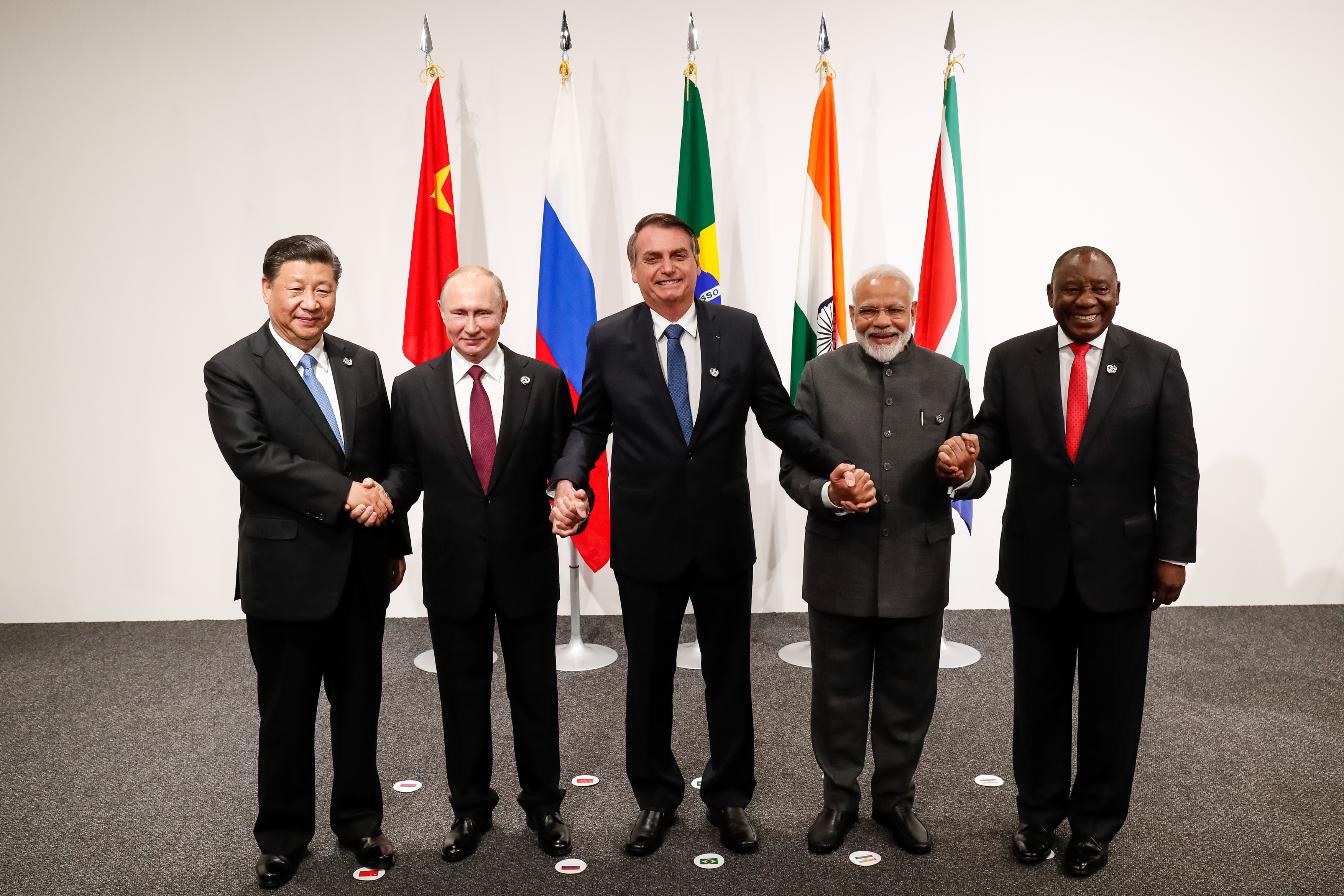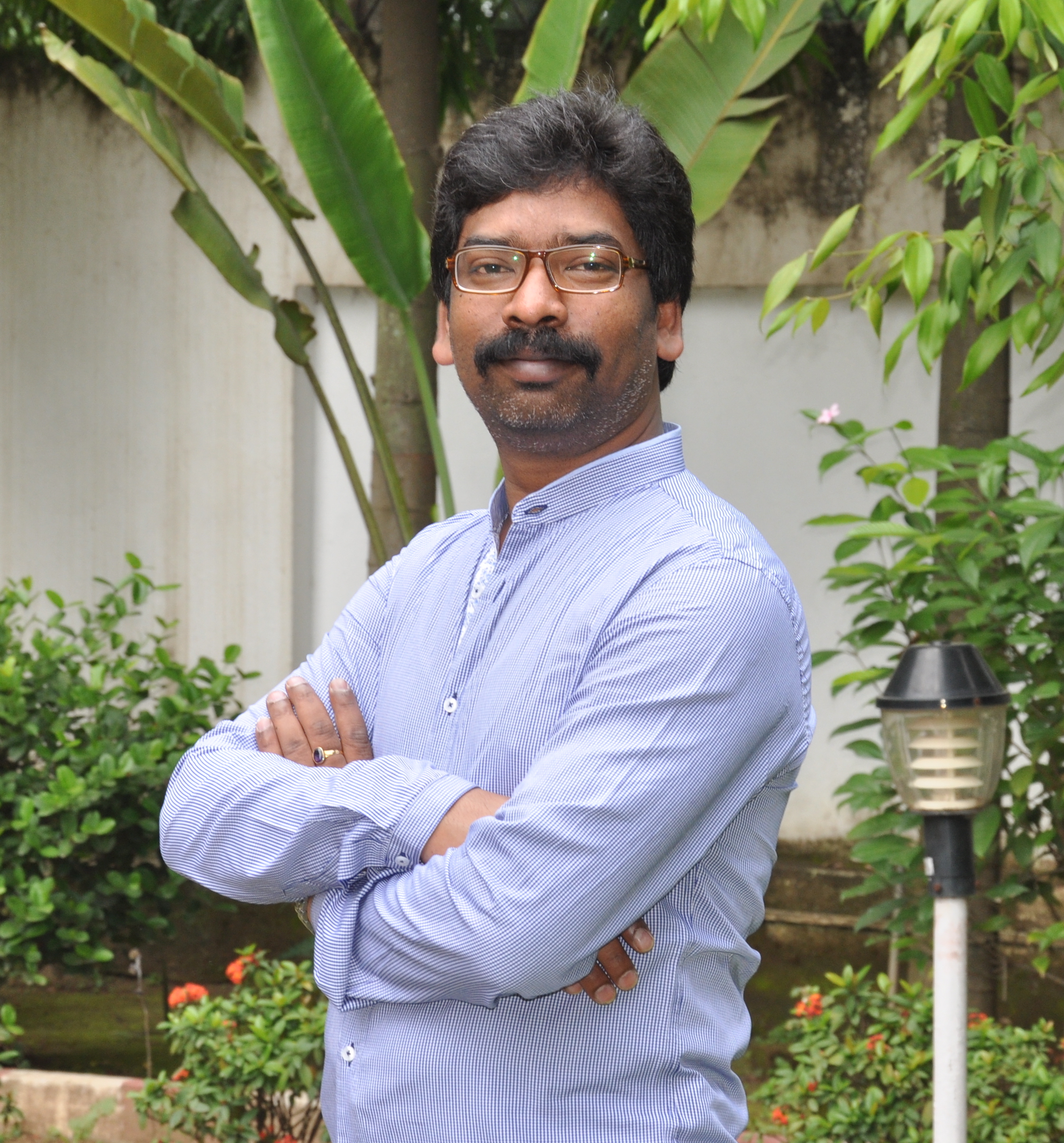
Jharkhand officials honored tribal warriors of the Santhal rebellion on June 30, 2025, during official Hul Kranti Diwas celebrations in the Sahibganj district [1].
The event marks the anniversary of the 1855 uprising, which tribal historians describe as India's first war of independence against British colonial rule [3].
Chief Minister Hemant Soren and Governor Santosh Kumar Gangwar led the tributes in Bhogandih village [1]. They honored the memory of key rebellion leaders, including Siddhan Kanho, Chand Bhairav, and Phuljan [1]. The day is observed annually on June 30 to commemorate the struggle of the Santhal people [3].
Despite the official ceremonies, the day was marked by volatility in the region. Police used tear gas and lathi-charges to disperse villagers who were protesting in Bhogandih ahead of the event [2]. The security operations were aimed at managing the crowds and dispersing the demonstrators, a sharp contrast to the formal tributes being paid by the state leadership [2].
The Santhal rebellion of 1855 [3] remains a central pillar of tribal identity in Jharkhand. The uprising was a response to the oppressive systems of the British East India Company and the exploitation of the tribal population by moneylenders, and landlords.
State officials said the warriors were brave during the ceremony. However, the use of force against local villagers underscores a lingering tension between the state's formal recognition of tribal history and the current socio-political grievances of the people in the Sahibganj district [2].
“India's first war of independence against British rule”
The juxtaposition of high-level government tributes and police action against protesters highlights a recurring theme in Jharkhand: the gap between symbolic historical recognition and the lived reality of tribal communities. While the state celebrates the 1855 rebellion as a foundation of independence, the use of force during Hul Diwas suggests that the underlying issues of land, rights, and governance that fueled the original rebellion continue to cause friction between the state and its citizens.